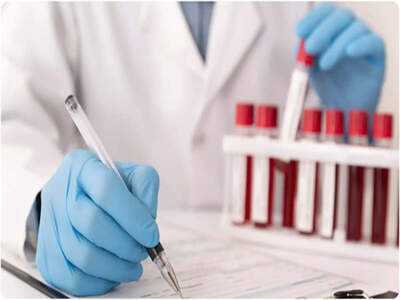
Efficient blood circulation is vital for maintaining our health, ensuring that all organs function properly and receive a steady supply of oxygen. Health professionals emphasize that any disruption in this circulatory system can lead to severe health issues.
What is Thalassemia?
Thalassemia is a serious blood disorder characterized by the body's inability to produce enough hemoglobin, a protein in red blood cells responsible for oxygen transport. A decrease in hemoglobin levels can lead to significant oxygen deficiency throughout the body.
The prevalence of Thalassemia is increasing, with medical data indicating that over 1.3 million individuals globally are affected. Each year, more than 40,000 children are born with this condition, necessitating lifelong blood transfusions.
Understanding the Risks of Thalassemia
One of the primary concerns regarding Thalassemia is that severe cases require patients to undergo regular blood transfusions, as their bodies cannot produce hemoglobin independently.
International Thalassemia Day, celebrated on May 8th, aims to raise awareness about this condition and highlight the importance of early screening and treatment.
This genetic disorder arises from mutations in specific genes, which hinder the production of adequate hemoglobin, leading to the destruction of red blood cells and anemia.
Forms and Symptoms of Thalassemia
Thalassemia is inherited from parents and manifests in two forms: Minor and Major. The Minor form typically presents mild symptoms, allowing individuals to lead normal lives, while Major Thalassemia requires regular blood transfusions.
Health experts recommend that individuals undergo blood tests before marriage to detect the condition early and reduce the risk of transmission to offspring.
Children with Thalassemia may face delayed physical development, bone weakness, and neurological issues.
Recognizing Symptoms
The symptoms of Thalassemia vary based on severity. Mild cases may go unnoticed, while severe cases can be diagnosed in early childhood. Patients often experience chronic fatigue and weakness due to hemoglobin deficiency and anemia.
Other symptoms include pale skin, shortness of breath, and rapid heart rate. Children may also show delayed growth, with weight and height falling below normal ranges.
Prevention and Management
Experts assert that Thalassemia cannot be prevented. Those affected should seek advice from a genetic counselor to understand how to minimize the risk of passing the condition to their children.
Patients require regular blood transfusions, and doctors may prescribe medications to manage complications. Screening before marriage is essential for early detection, which can help mitigate the risk for future generations. Prenatal testing can also determine if a baby is affected by Thalassemia.
-
Princess Kate steps out hours after major Palace announcement

-
Bradley Walsh declares 'I've hurt my arm' in truck challenge on Breaking Dad

-
Bradley Walsh declares 'I've hurt my arm' in truck challenge on Breaking Dad
-
Benefits of Using Horse Shoe for Pleasing Lord Shani

-
ITV Emmerdale's Sam Dingle star breaks silence on exit rumours 26 years after soap debut