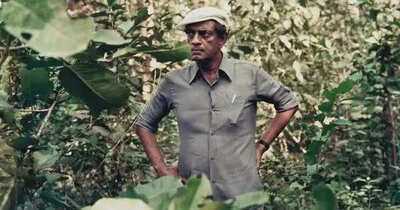
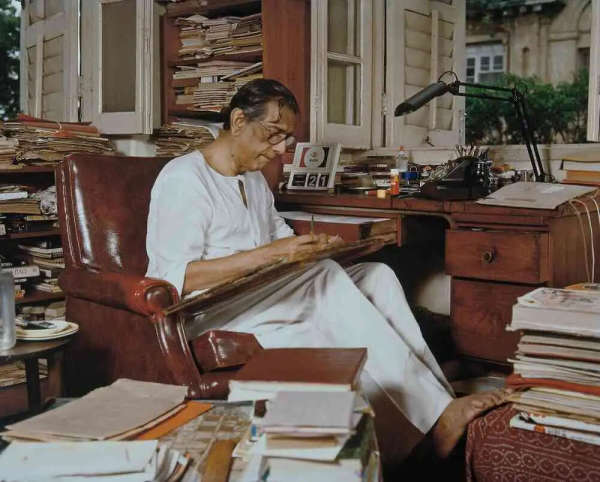
Nemai Ghosh first crossed paths with the legendary filmmaker Satyajit Ray in 1968 during the production of Ray's fantasy film Goopy Gyne Bagha Byne. Ghosh became Ray's official photographer, documenting his creative process and personal moments in Kolkata until Ray's last film, Agantuk, in 1991.
A Photographer's Tribute
In Ghosh's collection titled Satyajit Ray at 70, Ray referred to him as 'a sort of Boswell working with a camera rather than a pen'. Ghosh reminisces in Manik-Da: Memories of Satyajit Ray, stating, 'I followed him like a shadow, eager to capture every moment with my camera.'
Legacy of Black-and-White and Color
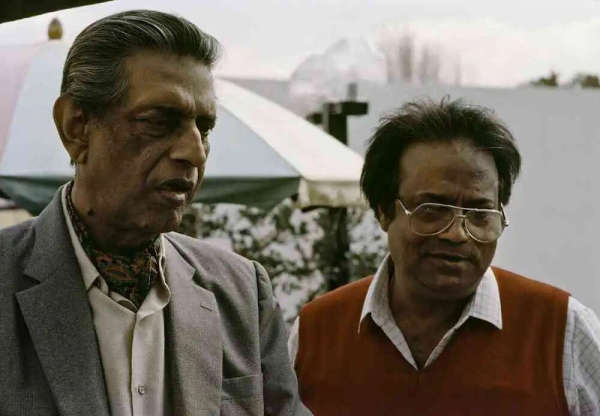
Ghosh passed away in 2020 at the age of 85, leaving behind a rich collection of black-and-white photographs that have been showcased in various exhibitions and published in books. His color photographs of Ray, acquired by the DAG art institution, were compiled in the book Faces and Facets: Satyajit Ray in Colour, released in 2011.
An exhibition featuring these color images will be held from May 9 to July 4 at Windsor Palace in Delhi, showcasing photographs taken between 1969 and 1991, including moments from the documentary Sikkim.
Capturing the Multifaceted Genius
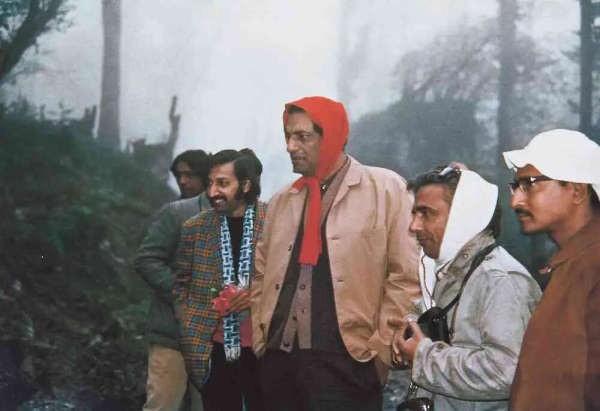
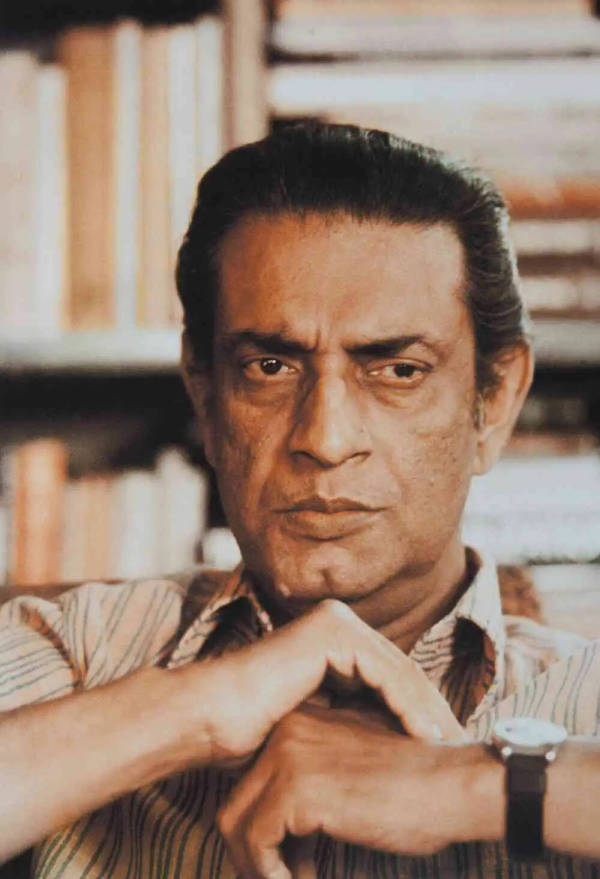
In an essay within Faces and Facets, Andrew Robinson, Ray's prominent biographer, describes the book as a testament to Ghosh's dedication, portraying Ray as a multifaceted filmmaker who was involved in every aspect of his films, from writing to composing music.
Ray's Evolution in Color Filmmaking
Ray's journey into color filmmaking began with Kanchenjungha in 1962, captured by his frequent collaborator, Subrata Mitra. Their partnership concluded with Nayak in 1966, but Ray returned to color with the documentary Sikkim in 1971. From Ashani Sanket (1973) to Agantuk, Ray primarily worked with Soumendu Roy for his color films.
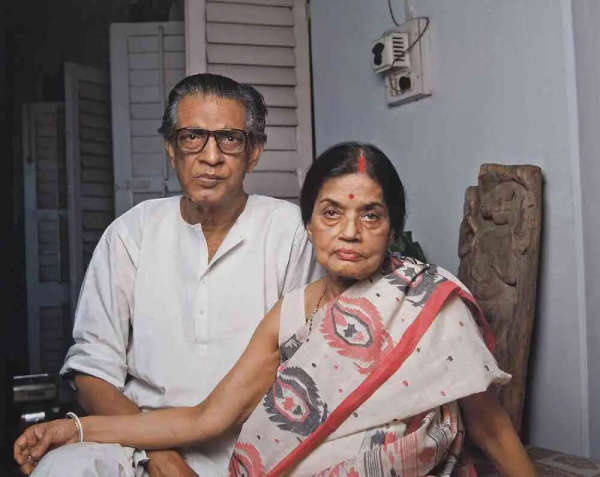
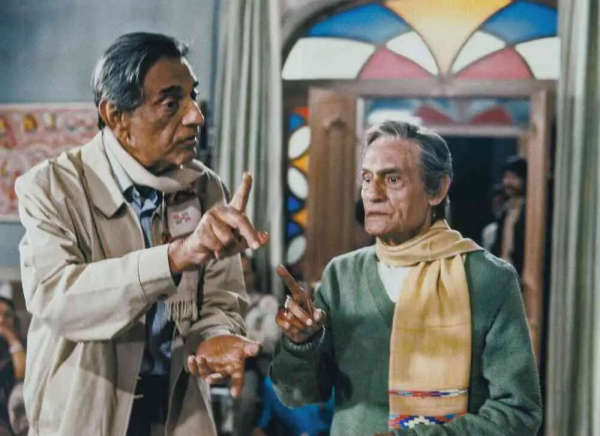
The photographs in Faces and Facets depict Ray in various roles—selecting locations, engaging with actors, and composing music, as well as intimate moments at home with his family.
Reflections on Ray's Later Years
These images also reveal Ray's physical decline, particularly after suffering a heart attack in 1983 during the filming of Ghare Baire. His health issues led to his son, Sandip Ray, assisting in productions. Ghosh's photographs capture Ray's determination to continue creating films, even as they were perceived as less impactful than his earlier masterpieces.
A Lasting Tribute
Ray passed away in 1992 at the age of 70. In Manik-Da, Ghosh honors Ray, stating, 'Standing in the sun, you are sure to shine in its light… My sincerity and pursuit of perfection are all thanks to his example.'
Further Reading
Also read:
Light of Ray: The Subrata Mitra-Satyajit Ray partnership led to cinema’s most unforgettable moments
In Satyajit Ray’s films, the magic began with the opening titles
Feluda is one of Satyajit Ray’s greatest creations but is he too brilliant for the movies?
-
Rishabh Pant: Rishabh Pant’s job in danger? LSG captain unable to convert words into action
-
Are your heels cracked even after wearing socks? There may be these 8 reasons why you should definitely use this thing in pedicure – News Himachali News Himachali

-
Vastu Tips For Plants: Plants placed in the wrong place can also spoil the atmosphere of the house, know the right direction and Vastu rules.
-
Met Gala 2026: Gold saree, mango purse…every detail of Isha Ambani’s Met Gala look

-
Met Gala 2026: Karan Johar To Isha Ambani – 6 Indian Celebs Who Grabbed Attention