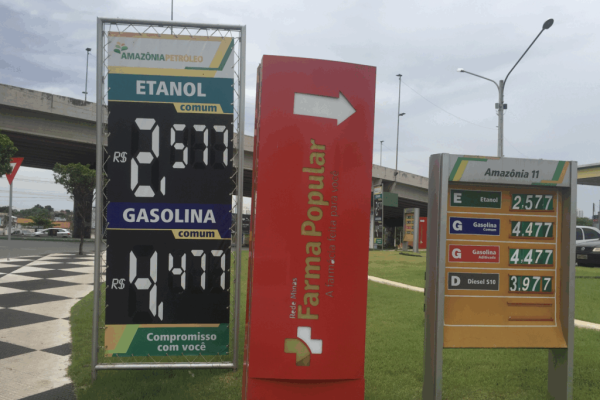
India’s aggressive push toward ethanol-blended fuels is now facing a serious environmental concern—water scarcity. While ethanol has been promoted as a cleaner alternative to petrol, experts are warning that its production could worsen India’s already critical water crisis.
A recent analysis highlights that the country’s energy transition may be clashing with its water sustainability goals, creating a dangerous trade-off.
Massive Water Consumption Raises Alarm
One of the biggest concerns is the sheer amount of water required to produce ethanol. Reports indicate that producing just one litre of ethanol can consume over 10,000 litres of waterespecially when derived from water-intensive crops like rice.
Even sugarcane, the primary source of ethanol in India, is highly water-intensive—requiring thousands of litres per litre of fuel produced.
This raises a fundamental question: Is India solving an energy problem by deepening a water crisis?
NITI Aayog’s Stark Warning
The concern becomes even more serious when seen in the context of India’s groundwater situation. NITI Aayog has warned that 21 major cities, including Delhi, Bengaluru, and Chennai, could run out of groundwater by 2030.
At the same time, ethanol production capacity is expanding rapidly, with many plants located in already water-stressed regions. This overlap between ethanol production hubs and water-scarce areas is intensifying the risk.
Maharashtra & Other States Under Pressure
States like Maharashtra—already facing severe drought conditions in regions like Vidarbha and Marathwada—are emerging as key ethanol production centres.
This creates a paradox: regions struggling for drinking water are simultaneously supporting water-intensive fuel production. Similarly, states like Uttar Pradesh and Karnataka are drawing from groundwater reserves that are already under stress.
Food vs Fuel Debate Intensifies
Another critical issue is the diversion of food crops for fuel production. India has been increasing the allocation of rice for ethanol, with targets rising sharply year-on-year.
This raises concerns about food security, especially in a country where agriculture is already vulnerable to climate change and water shortages.
A Policy Dilemma: Energy vs Sustainability
India’s ethanol blending programme aims to reduce oil imports and cut emissions. However, the growing water footprint of ethanol production is forcing policymakers to rethink the long-term sustainability of this strategy.
Experts suggest a shift toward less water-intensive feedstocks and second-generation biofuels to balance energy goals with environmental realities.
-
'David Beckham of snooker' died of cancer aged 27 after just one symptom

-
Question Time's Fiona Bruce fumes as Reform's Zia Yusuf refuses to answer question 5 times

-
Fiona Bruce halts Question Time as she makes important announcement

-
Gary Lineker makes cheeky BBC World Cup dig ahead of £14m Netflix show

-
New Lidl store in UK seaside town delayed for bizarre reason