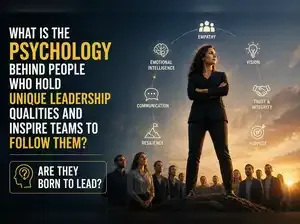
In every group, whether at work, in sports, or social settings, some individuals naturally step into leadership roles. They do not rely on authority or titles, yet people trust them, follow them, and feel motivated in their presence. Psychologists say such “born leaders” are not simply a product of talent, but a combination of personality traits, emotional intelligence, and learned behaviours. Their ability to take a team along with them reflects deeper psychological mechanisms that influence trust, motivation, and group dynamics.
However, modern research indicates that while some traits may provide an advantage, leadership is also shaped by experience and environment. Psychologists like Gordon Allport emphasised that personality traits interact with situations, meaning leadership potential can be developed over time.
They can manage conflicts, motivate individuals, and build strong interpersonal relationships. This emotional awareness helps them create a sense of trust and psychological safety within teams, encouraging collaboration and open communication.
Unlike transactional leaders, who focus on rewards and punishments, transformational leaders connect with their teams on a deeper level. They lead by example, inspire confidence, and encourage innovation.
This connection fosters loyalty and commitment, making team members more willing to work together and support the leader’s direction.
Natural leaders often display high levels of confidence, especially in uncertain situations. This is linked to Self-Efficacy Theory, developed by Albert Bandura, which refers to an individual’s belief in their ability to succeed.
Leaders with strong self-efficacy are more likely to take initiative, make decisions quickly, and remain composed under pressure. Their confidence reassures team members, reducing uncertainty and increasing collective performance.
Effective communication is another hallmark of leadership. Leaders who can clearly articulate ideas and listen actively are better able to guide their teams.
According to Persuasion Theory, influence is not about authority but about credibility, emotional connection, and logical reasoning. Leaders who balance these elements can inspire trust and motivate action without forcing compliance.
Similarly, leaders such as Jacinda Ardern have been recognised for their empathetic and inclusive leadership, which fosters trust and unity.
In corporate settings, executives like Satya Nadella have shifted organisational cultures by prioritising collaboration and emotional intelligence over rigid hierarchy.
What sets natural leaders apart is their ability to balance authority with empathy. They are decisive when needed but also open to feedback. This balance aligns with Leader-Member Exchange Theory, which focuses on building strong relationships between leaders and team members.
By treating individuals with respect and understanding, leaders create an environment where people feel valued and motivated to contribute.
Experiences such as teamwork, challenges, and mentorship also play a crucial role in shaping leadership abilities.
Are Leaders Born or Made? The Trait Theory Debate
The idea of natural leadership is often explained through Trait Theory, which suggests that certain individuals are born with characteristics that make them more likely to lead. Traits such as confidence, decisiveness, and social intelligence are commonly associated with leadership.However, modern research indicates that while some traits may provide an advantage, leadership is also shaped by experience and environment. Psychologists like Gordon Allport emphasised that personality traits interact with situations, meaning leadership potential can be developed over time.
Emotional Intelligence: The Core of Influential Leadership
A defining quality of effective leaders is emotional intelligence, a concept popularised by Daniel Goleman. Leaders who inspire teams are highly aware of their own emotions and those of others.They can manage conflicts, motivate individuals, and build strong interpersonal relationships. This emotional awareness helps them create a sense of trust and psychological safety within teams, encouraging collaboration and open communication.
Transformational Leadership: Inspiring Beyond Authority
One of the most relevant frameworks is Transformational Leadership Theory, introduced by James MacGregor Burns. Transformational leaders inspire and motivate others by creating a shared vision and encouraging personal growth.Unlike transactional leaders, who focus on rewards and punishments, transformational leaders connect with their teams on a deeper level. They lead by example, inspire confidence, and encourage innovation.
The Role of Social Identity Theory
Another key explanation lies in Social Identity Theory, which suggests that people are more likely to follow leaders who represent their values and identity. Leaders who understand group dynamics can align their vision with the team’s goals, creating a sense of belonging.This connection fosters loyalty and commitment, making team members more willing to work together and support the leader’s direction.
Confidence and Decision-Making Under Pressure
Natural leaders often display high levels of confidence, especially in uncertain situations. This is linked to Self-Efficacy Theory, developed by Albert Bandura, which refers to an individual’s belief in their ability to succeed.Leaders with strong self-efficacy are more likely to take initiative, make decisions quickly, and remain composed under pressure. Their confidence reassures team members, reducing uncertainty and increasing collective performance.
Communication and Influence Skills
Effective communication is another hallmark of leadership. Leaders who can clearly articulate ideas and listen actively are better able to guide their teams.According to Persuasion Theory, influence is not about authority but about credibility, emotional connection, and logical reasoning. Leaders who balance these elements can inspire trust and motivate action without forcing compliance.
Real-Life Examples of Modern Leadership
In today’s world, several leaders demonstrate these psychological principles. Business figures like Elon Musk have built teams around bold visions, inspiring employees to pursue ambitious goals.Similarly, leaders such as Jacinda Ardern have been recognised for their empathetic and inclusive leadership, which fosters trust and unity.
In corporate settings, executives like Satya Nadella have shifted organisational cultures by prioritising collaboration and emotional intelligence over rigid hierarchy.
The Balance Between Authority and Empathy
What sets natural leaders apart is their ability to balance authority with empathy. They are decisive when needed but also open to feedback. This balance aligns with Leader-Member Exchange Theory, which focuses on building strong relationships between leaders and team members.By treating individuals with respect and understanding, leaders create an environment where people feel valued and motivated to contribute.
Can Leadership Be Learned?
While some individuals may have a natural inclination toward leadership, psychologists agree that leadership skills can be developed. Training in communication, emotional intelligence, and decision-making can enhance leadership effectiveness.Experiences such as teamwork, challenges, and mentorship also play a crucial role in shaping leadership abilities.