
Marie Curie has revealed a list of striking end of life lessons shared by patients in their final days as part of their latest campaign with Superdrug - from the cost of prioritising work over family, to time lost to worry, and the impact of unresolved relationships. At their core, these reflections urge us to value time with loved ones, let go of grudges, and stop deferring happiness for "one day".
Through the bonds forged between patients and their devoted nurses, the findings of this research are testament to the deep connection between the two. It was one patient's decision to wear red lipstick every day following her terminal diagnosis that inspired the 'end of life lessons' behind Superdrug and Marie Curie's campaign. Now, customers can support Marie Curie nurses by purchasing selected 'Purchase for Marie Curie Nurses' products in Superdrug stores until May 19th.
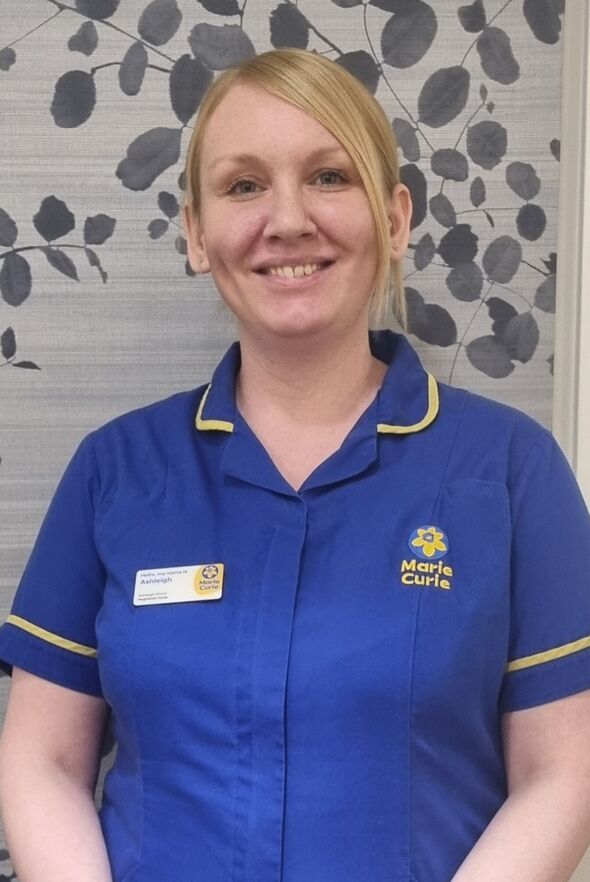
Small but mighty affirmations can make all the difference to people in the final stages of life and speaking to the Express, Marie Curie nurse Ashleigh Wood explains how she has learned so much from the incredible people, young and old, who grace the wards at the Newcastle hospice for a fleeting but poignant final chapter of life. Mum-of-one Ashleigh, 36, from Gateshead, works at the Charity's hospice in Newcastle where she provides compassionate care to patients facing a life-limiting illness.
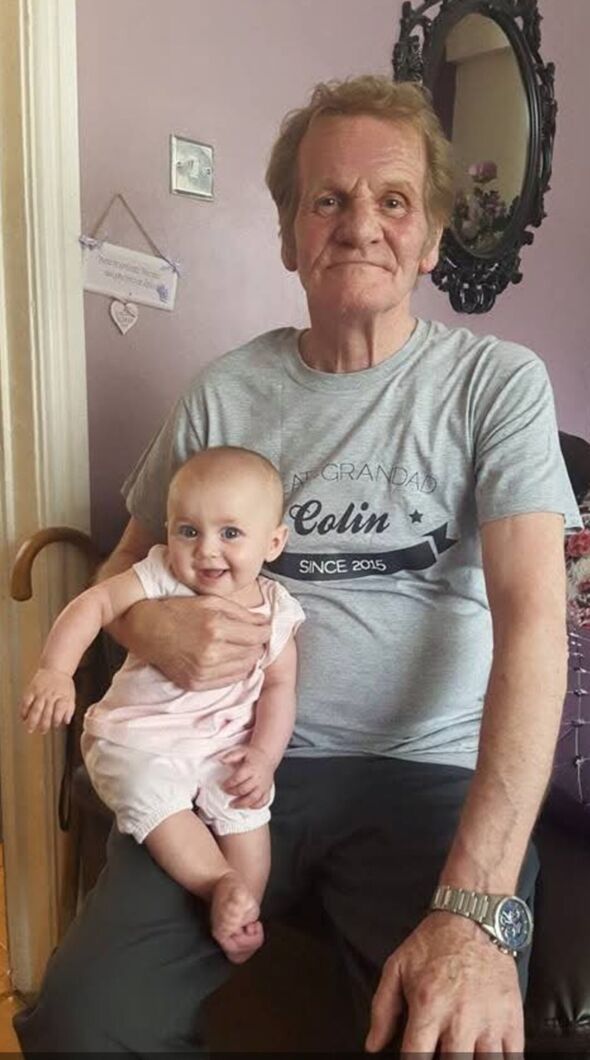
Her journey into palliative nursing wasn't a random choice; it was inspired directly by the "outstanding" support her own family received from the charity during her grandfather, Colin Wood's, final days.
Before she wore the uniform of a registered nurse, Ashleigh was simply a granddaughter, overwhelmed by the task of caring for her terminally ill grandfather after he received a terminal cancer diagnosis.
Ashleigh ended up caring for him full-time while running her own home and raising her two-year-old daughter, Kaianna with partner Kevin Laws. She recalls the relentless, physically and emotionally draining routine. Her grandparents' house was just a ten-minute drive away, and she would head straight there every morning in time to give them breakfast.
Her care encompassed her grandfather's intensive needs - including personal care, managing a stoma bag, administering medications, and dealing with a terrible pressure sore that required constant attention and dressing changes by professionals. At the same time, she also took over the care of her disabled grandmother who had relied on her husband to care for her before he became too ill to do so.
"It was my job to keep the house going at the same time as ensuring they were both well looked after and safe. I had to make sure the bills were up to date, the house was clean, and their cupboards were full, I mean you name it, it was just everything," Ashleigh remembers of that overwhelming period.
The days stretched from morning until late at night. "I'd stay till 10 or 11pm, to make sure my grandad was settled, medicated, and had the best chance of making it through the night," she recounted. Exhausted, she would return home only to "worry all night".
The family initially attempted a care package recommended by their GP, which involved four one-hour visits per day. For Ashleigh this didn't even touch the sides, offering little genuine support. "They didn't do a great deal for him," she says. "I really hoped that having carers would mean they would be able to take the reins and say, get yourself half an hour, go and get some fresh air but they would just do the very minimum like make him a roll for lunch and be gone".
The pivotal moment that was truly "life-changing" came when the Marie Curie Hospice Care at Home overnight visits began. When the night carers started coming in, typically around 8:00 pm, they sat with Colin all night, dealing with any needs and allowing Ashleigh to truly switch off at home. Ashleigh vividly remembers the weight that was lifted from her shoulders. "I could never thank them enough," she says.
Never go to sleep on an angry word
Don't let worrying rob you of the time you have
Time with loved ones is everything
Don't wait for 'one day' - live in the moment
Don't be afraid to go bold if it makes you feel yourself - wear the red lipstick or your favourite perfume
Let go of grudges and forgive more quickly
Cherish memories with loved ones
Keep your hands soft for loved ones to hold
Don't work so hard that you miss out on life
Don't save all your money for a rainy day - use it to make happy memories
When Colin's condition worsened he was moved to Newcastle Hospice. Ashleigh had always harboured a desire to enter nursing when she was younger, but financial concerns had previously held her back. Witnessing the serene environment of the Marie Curie Hospice provided the "defining moment" she needed.
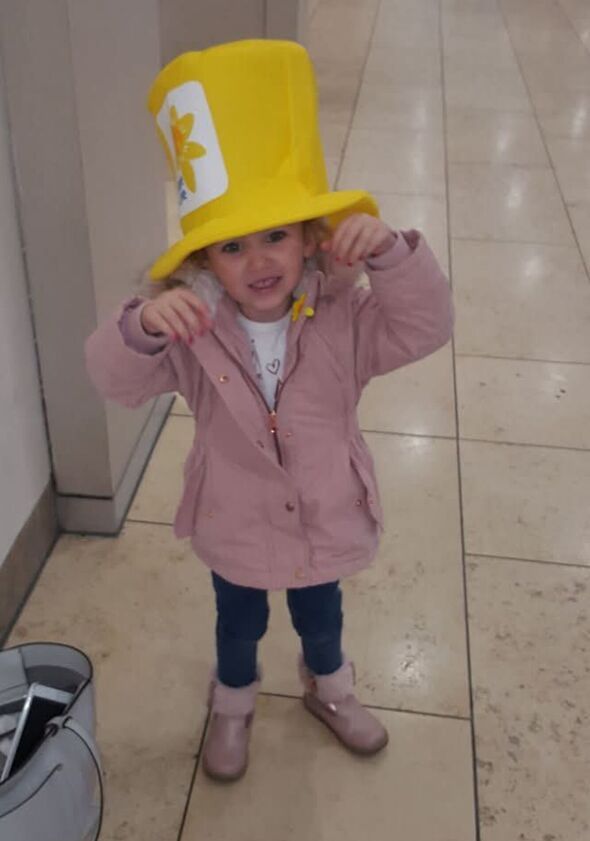
Deciding to pursue nursing as a mature student meant hours spent studying alongside managing family life with the two often crossing over - Ashleigh's daughter Kaianna, now 11, helped her mum with anatomy using one of her school books and at the age of three helped fundraise for the charity. Kiana is now "so proud" of her mother's achievements and even told her mum she wants to be a doctor.
Qualifying in July 2024, Ashleigh managed to secure her first role in the Marie Curie hospice that cared for her grandfather. "It was beautiful. I was like, oh, this is just how it should be," she says, recalling her first day. The Newcastle Hospice environment, which she describes as "peaceful" has a range of activities to make patients feel at ease during the most difficult of times including a cinema room, Jacuzzi baths, and - to her great surprise - a "drinks trolley" offering both alcoholic and non-alcoholic choices.
Afternoons are mainly reserved for "more of the fun stuff," which could involve putting a football match on in the communal room or using the drinks trolley. They also encourage activities and anything that soothes patients suffering from pain and psychological distress, helping them "relax and unwind".
Marie Curie makes it possible for families to stay overnight and also has an open visiting policy that puts many worried relatives at ease.
Ashleigh explains the extraordinary lengths the team goes to make sure all patients are catered for. She says: "We've had quite a few marriages and they are always very moving. Even small acts, such as dyeing hair a crazy colour or painting nails a different way can give patients a much needed boost."
Ashleigh points out that Marie Curie care is not solely for the elderly or cancer patients. The charity supports people from the age of 18 upwards, dealing with all life-limiting illnesses. She notes the particular difficulty of caring for younger patients who "don't expect to be hit with a terminal illness". The support in these cases is not only medical but involves extensive psychological care for the patients and their families as they come to terms with a life cut short.
While her work is incredibly rewarding, devoted mum and nurse Ashleigh is candid about the relentless emotional difficulty of the job. "Because I will typically be caring for four or five patients at a time, I get to build up a close rapport with them and their families.
"The hardest moments are returning to work and learning a patient I've spent time with and had bonded with has died, even if I did know it was coming. Even the more experienced nurses agree that it is something you can never get used to. One day you are chatting and the next they are gone."
As the families are spending so much time with the nurses it's only natural that bonds are forged and relatives often continue to visit after the patient has gone. Ashleigh explains: "They [family of the departed] often light a candle for their loved one and sign a book of remembrance with an annual gathering for our Remember Service. It's always lovely to see people again."
Ashleigh's overriding message to anyone currently struggling with a terminally ill loved one is simple: "Don't be afraid to ask for support", adding "The Marie Curie team is there to listen and support the entire family and friends, not just the patient, and families should never leave anything unsaid or worry unresolved, especially when it's about pain or comfort, which is often the biggest concern people have when we meet with them."
Marie Curie's recent findings show that almost one in three people in the UK don't get the essential end of life care they need. The charity aims to close this gap, but it relies on the generosity of the public, Ashleigh says: "Without people supporting Marie Curie, we wouldn't be able to do our job. Without donations, essential services like the night care that saved her own family, the dedicated hospice staff, and the resources used to fulfil a dying person's last wish simply cannot continue."
Despite the common professional advice to "leave work at work," Ashleigh finds this impossible. "No, you can't," she insists. Instead, she's learned the importance of self-care. "I think it's made me a better version of myself. I worry a lot less about trivial things in life and don't feel guilty about spending money on things we want as a family - you can't take it with you and I have nursed so many people in their 40s and 50s who tell me they scrimped and scraped to save for their retirement but because of their diagnosis they'll never get the benefit of it. I'm not saying I'm qualified to give anyone financial advice but my experience has taught me to live life for the moment.
"Spend your money, enjoy it, live your life, do what makes you happy," she urges. "Enjoy your memories with your family. Because life's too short".
Superdrug's 'Purchase for Marie Curie Nurses' campaign aims to raise £200,000. Running from Wednesday, April 22 to Tuesday, May 19, proceeds from select Superdrug products will be donated to help fund Marie Curie's vital end of life care.
- Marie Curie's free national Support Line offers information and support for people living with a terminal illness, and their family, friends and carers. The Support Line is available on 0800 090 2309 between 8am to 6pm Monday to Friday, and 10am to 4pm on Saturdays. For more information, visit https://www.mariecurie.org.uk/services/support-line.
-
Heat triggers massive fire at Bahadurpura scrap yard near Hyderabad zoo

-
Shaun Murphy has never forgiven Ronnie O'Sullivan over 'verbal abuse' three decades ago

-
Bhuvneshwar Kumar Makes History as First Indian Fast Bowler to Claim 350 T20 Wickets

-
Wisdom of Chanakya: Avoiding Toxic Individuals

-
'Dubai will not be forgotten': Sheikh Mohammed honours winners of Erth Dubai awards