Ras Al Khaimah is emerging as the new adventure capital of the Gulf, building its tourism sector around outdoor experiences. The emirate is leveraging its natural landscape—mountains, deserts and coastline to drive growth, creating an economy centred on hiking, ziplining and nature-based activities. The shift reflects changing travel preferences, with more visitors seeking active, experience-led travel.
Tourism is one of the fastest-growing sectors in the emirate, contributing around 5% to GDP. With a target of attracting over 3.5 million visitors annually by 2030, Ras Al Khaimah is positioning itself as a leading eco-tourism and adventure destination in the region.
Jebel Jais: The centre of the adventure economy
Jebel Jais, the UAE’s highest peak at 1,934 metres, has emerged as the country’s leading hub for adventure tourism. The launch of the Jais Flight in 2018 marked a turning point. Stretching 2.83 kilometres and reaching speeds of up to 160kmph, it remains the world’s longest zipline and has played a defining role in putting Ras Al Khaimah on the global adventure tourism map. Its success has also driven further investment, paving the way for a growing portfolio of mountain-based attractions.
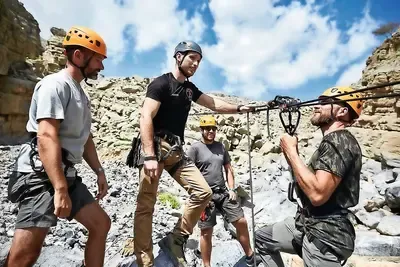
Today, Jebel Jais offers a diverse range of experiences. The Jais Sky Tour features six ziplines spanning approximately five kilometres, along with a suspension bridge. The Jais Sledder provides a high-speed downhill ride, while the Jais Sky Maze introduces a structured high-ropes obstacle course.
Jebel Jais is also home to the Bear Grylls Explorers Camp, which serves as a key hub for outdoor and team-building activities, offering survival training, camping and guided hiking experiences. The mountain is increasingly encouraging longer visitor stays, supported by a growing mix of camping, trekking and immersive outdoor experiences. Camp 1770 — the highest campsite in the country along with challenging routes such as the Stairway to Heaven, continue to attract more seasoned outdoor travellers seeking extended, high-altitude adventures.
This shift towards longer, experience-led stays is now being complemented by the introduction of higher-end, nature-integrated hospitality. Saij Mountain Lodge by Mantis, an upcoming eco-luxury retreat on Jebel Jais scheduled to open around Q2 2026, will bring a new dimension to the mountain’s offering. The development will feature 70 sustainable, standalone lodges carved into the mountainside, combining seclusion with curated, nature-based experiences — from guided hikes and beekeeping to farm-to-table dining.
Beyond the mountains
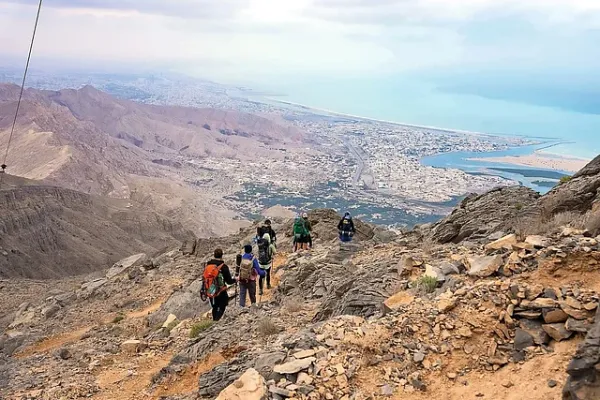
Ras Al Khaimah’s adventure economy extends beyond its mountain landscape. The desert supports a wide range of activities, including 4x4 dune driving, sandboarding, desert safaris, glamping and stargazing. Wadis such as Wadi Shawka offer accessible hiking routes for both residents and tourists.
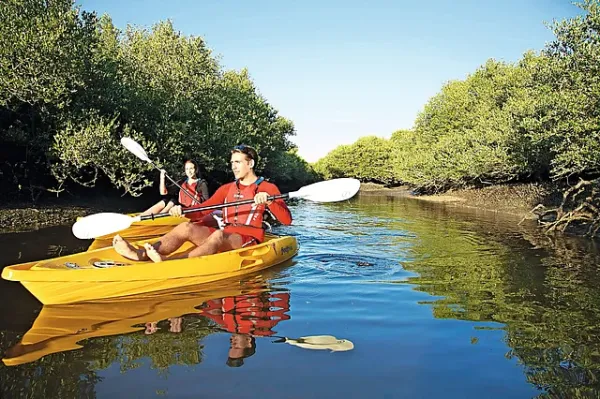
Along the coastline, water-based tourism is expanding. Activities include sailing, kayaking, scuba diving, jet skiing and parasailing. Mangrove ecosystems are being utilised for low-impact tourism, particularly guided kayaking, supporting a more sustainable approach.
The emirate is also expanding into air-based experiences. Operators such as ActionFlight have introduced a first-of-its-kind aviation facility in the Mena region, offering a range of air-based activities under one roof. These include hot air balloon flight adventures, aerobatic flight experiences and scenic flights, further strengthening RAK’s position as an experience-led tourism destination.

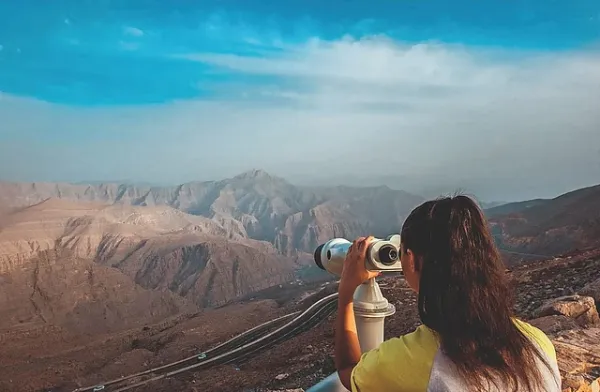
The Jais Viewing Deck Park adds another dimension to this offering. Located 1,250 metres above sea level, it provides panoramic views following a 30km drive through mountainous terrain, serving as a more accessible entry point into the Jebel Jais experience.
Investment, partnerships and sustainability
The growth of RAK’s adventure economy is supported by strategic planning and investment led by the Ras Al Khaimah Tourism Development Authority (RAKTDA). In 2021 alone, more than Dh500 million was invested in sustainable tourism projects. This includes the development of hiking trails, cycling routes and infrastructure designed to support outdoor activities while preserving the natural environment.
RAKTDA has also partnered with Fujairah Adventures to develop cross-emirate tourism experiences, allowing visitors to explore multiple destinations through a connected offering. This integration is expected to strengthen the UAE’s overall positioning in the adventure tourism segment.
Sustainability remains central to the emirate’s strategy. Often referred to as the “Nature Emirate,” Ras Al Khaimah is prioritising the preservation of its landscapes while expanding tourism activity. This includes controlled development, trail management and the promotion of eco-friendly accommodation such as mountain lodges and retreats.
Ras Al Khaimah’s strong safety record has further supported its growth. It became the first city globally to receive a safety certification from Bureau Veritas and the first emirate to be awarded the World Travel and Tourism Council’s ‘Safe Travels’ stamp in 2020, reinforcing international visitor confidence.
Economic impact and future outlook
Adventure tourism is now a key driver of Ras Al Khaimah’s economic growth, supported by rising global demand for outdoor and experience-led travel.
“From expanded air connectivity and high-profile hotel developments to strategic partnerships and a growing calendar of experiences and events, every milestone contributes to Ras Al Khaimah’s standing as one of the world’s fastest-growing destinations,” said Raki Phillips, CEO of RAKTDA.
By the end of 2025, the emirate recorded a 12% year-on-year increase in tourism revenue, driven largely by events and adventure-focused attractions.
At the same time, Ras Al Khaimah continues to invest in core infrastructure. New hiking trails, improved access routes and specialised cycling tracks are being developed to support both tourists and residents. These initiatives aim to increase visitor stay duration and encourage repeat travel.
The strategy also supports broader economic diversification. By building tourism around natural assets, Ras Al Khaimah is reducing reliance on traditional sectors such as manufacturing while creating new opportunities for local businesses, including tour operators and hospitality providers.
-
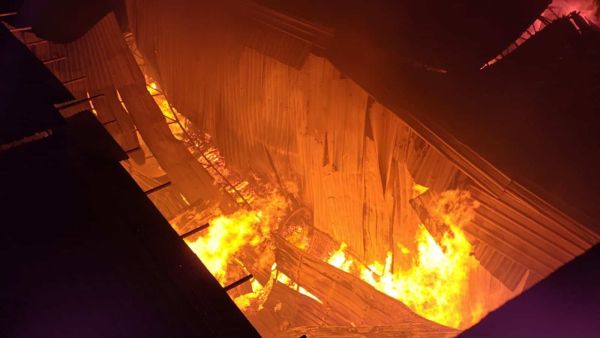
Heat triggers massive fire at Bahadurpura scrap yard near Hyderabad zoo
-
Shaun Murphy has never forgiven Ronnie O'Sullivan over 'verbal abuse' three decades ago

-
Bhuvneshwar Kumar Makes History as First Indian Fast Bowler to Claim 350 T20 Wickets

-
Wisdom of Chanakya: Avoiding Toxic Individuals

-
'Dubai will not be forgotten': Sheikh Mohammed honours winners of Erth Dubai awards