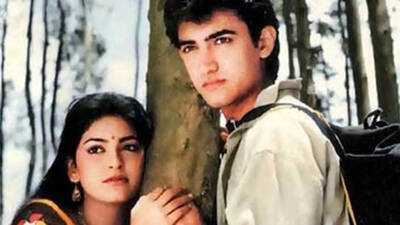
Mansoor Khan ’s 1988 debut ' Qayamat Se Qayamat Tak ', featuring Aamir Khan as Raj and Juhi Chawla as Rashmi, marked a turning point for Hindi cinema. At a time dominated by formulaic action films, its tender love story stood out, but what truly set it apart was its tragic climax . After fleeing their feuding families and seeking refuge in the wilderness, the lovers meet a heartbreaking end.
Interestingly, the film almost had a completely different conclusion. Mansoor’s father, veteran filmmaker Nasir Hussain , was keen on a happier resolution. Recalling those days, Aamir shared, “While we were writing, he wanted a happy ending. So, he told Mansoor to shoot both the endings — happy and sad and then they’d decide in the edit which one works better.”
When it came time to shoot, however, the team’s conviction lay firmly with the tragic version. Aamir explained, “When we went to shoot the climax in the first schedule, Mansoor and I first shot the sad ending, which is what we believed in. Once we finished that, while taking the shots for the happy ending, none of us were ever convinced it was the right thing to do. So, we did it because we had to be answerable to Chachajaan (uncle Nasir Hussain) as he was producing the film. Even he wasn’t taking it too seriously. We were also laughing while doing that. We even left out a few shots,” he told The Hollywood Reporter India.
Mansoor later revealed how the alternate ending unfolded differently. Instead of Rashmi being shot and falling to her death, it was Goga Kapoor’s character, Randhir Singh, who died. “In the happy ending, the killer points the gun at Juhi when she’s screaming, ‘Raj! Raj!’. And then he hears somebody scream, ‘Rashmi! Rashmi!’ That was Goga Kapoor. This guy is a greater threat, so he shoots Goga Kapoor,” Mansoor said.
The mood on set during the filming of this version only reinforced their doubts. Mansoor recalled how difficult it was for the cast to take the scene seriously. “He has blood coming out. For the mid-close up shot, everybody came around to see him. But before I can call action, one of the actors starts laughing. Not the spotboy, one of the actors! It happened two-three times. Then Goga said, ‘Saalon main mar raha hu, tum has rahe ho!’ (I’m dying here, and you guys just keep laughing!). That was the proof that it wasn’t working,” he added.
Despite their lack of belief in the happy ending, Mansoor shot it to satisfy his father, who remained persistent. “When I was about to leave for the shoot in two weeks, he asked me, ‘Have you written the end.’ I said, ‘No, I will’ and kept delaying it. When I wrote it, the sad ending automatically flowed. And then I wrote the alternate ending, so he was happy,” Mansoor shared.
Nasir Hussain continued to check in during the shoot. “He didn’t come to the shoot too often, but he kept calling to ask me if I’ve shot the happy ending. The only time he showed up on set was in Bangalore during the climax shoot. He knew I was leaning towards the sad ending, so he kept reminding me,” Mansoor said with a laugh. In the end, though, the alternate version never even reached the editing stage. “None of us saw the rushes because Mansoor never cut it. It was lying in the cans,” Aamir revealed.
During early trial screenings, the tragic ending divided opinion. Older viewers struggled with it, echoing Nasir Hussain’s concerns. But when younger audiences watched the film, their response was entirely different. “I’d never give a defense. Because I was very convinced. But when the younger generation showed up in later screenings, they said the ending is fantastic! I told Daddy, ‘This is the audience we’re going for,'” Mansoor said.
-
Rupee falls to record low of 95.3 against US dollars as oil prices surge

-
SpiceJet Flights Canceled and Delayed in Mumbai, Passengers Left Stranded

-
Tamil Nadu Election Exit Polls Spark Diverse Political Reactions
-
Severe Weather Alerts Issued for Delhi and Surrounding Areas
-
'Hard To Out-Satire Reality': The Boys Showrunner Is Pissed As Donald Trump Ruined His Homelander Joke