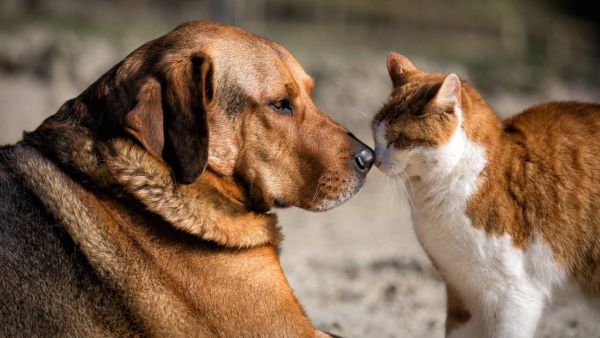
Heatstroke can develop in minutes, especially during peak summer. Learning the early indications of overheating in dogs allows you to act quickly and perhaps save your pet's life.
Summer heat may be deadly for both people and dogs. Dogs and cats are susceptible to overheating, and heatstroke can be fatal if not detected early. Because pets cannot regulate their body temperature as well as people can, every pet parent should be aware of warning signs and how to respond quickly.

What is Pet Heat Stroke?
Heatstroke happens when a pet's body temperature goes dangerously high, and they are unable to cool themselves properly. It can occur as a result of severe heat exposure, vigorous activities in hot weather, inadequate ventilation, or being left in enclosed locations such as parked automobiles. Veterinarians consider it a medical emergency since severe heatstroke can cause organ damage or death if not handled.
Early Signs of Heatstroke in Pets
Recognising symptoms early on can make a significant impact. Common early indications include:
Excessive panting, or rapid breathing
Heavy, prolonged panting, particularly while resting, is frequently the first indicator of your pet's hyperthermia.
Drooling or Thick Saliva
Excessive, sticky drool may suggest dehydration or heat stress.
Red or pale gums
Bright red, blackened, or extremely pale gums may indicate circulation difficulties caused by warming.
Restlessness or agitation
Pets may pace, seem nervous, or continuously seek cool surfaces and shade.
Severe Symptoms That Require Immediate Vet Care
If heatstroke progresses, symptoms can swiftly escalate:
Vomiting or diarrhoea
Digestive discomfort can arise when the body overheats.
Weakness or Stumbling.
Loss of coordination, wobbling, or collapse is a major warning indicator.
Confusion or disorientation.
A pet who appears dizzy, unresponsive, or unable to stand requires immediate attention.
Seizures or Collapse
These are advanced emergency signs that necessitate prompt veterinarian attention.
Which Pets are Most at Risk?
Some dogs are more prone to heatstroke than others, including
Flat-faced breeds, such as Pugs, Bulldogs, and Persians Overweight pets Senior animals and extremely young pets Pets with heart or respiratory issues Thick-coated breeds What to do if you suspect heatstroke?
If your pet exhibits symptoms of overheating:
Move them to a cool, shady, or air-conditioned environment right away. Serve tiny amounts of chilled water. Wet their paws, tummy, and neck with cool (not ice-cold) water. Use a fan, if available. Please contact your veterinarian or an emergency clinic immediately.
Veterinary advice emphasises "cool first, transport second" in situations of suspected heatstroke.

How To Prevent Heatstroke in Pets
Walk dogs in the early morning or after nightfall.
Never leave your pets in parked automobiles.
Provide access to fresh water and shade.
Avoid scorching pavements and mid-day activity.
Keep interior rooms ventilated and cool.
-
Daily Horoscopes For Each Zodiac Sign On Friday, May 1, 2026

-
When it comes to baby solids, find out how new moms can get started

-
Make market-like soft Khaman Dhokla at home for breakfast, learn the easy recipe to make it instantly.

-
Musk vs Altman: The AI Feud Heads to Court

-
Salesforce is crowdsourcing its AI roadmap — with customers