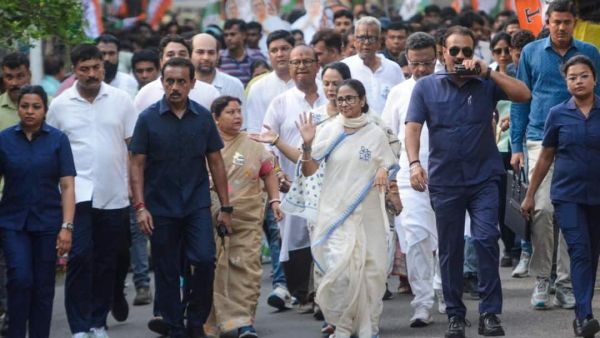
Arrangements are in place for the smooth conduct of the second phase of the West Bengal Assembly elections on April 29, officials said, with authorities asserting that robust measures have been implemented to ensure peaceful and fair voting. The phase will cover 142 assembly constituencies across seven districts, with over 32 million eligible voters. Officials emphasised that lessons from the first phase, which recorded a historic turnout, have been incorporated into preparations, with heightened security deployment, extensive monitoring and coordinated administrative efforts aimed at preventing disruptions and ensuring orderly polling.
Security Tightened
Chief Electoral Officer Manoj Kumar Agarwal said there would be no scope for bogus voting or disturbances, stressing that contingency plans are in place for all potential issues. He underlined that the election process is being managed uniformly across phases, rather than as isolated events.
Polling will take place at 41,001 stations, all of which will be covered by webcasting to enhance transparency. A total of 2,321 companies of central forces have been deployed, with the highest concentration in Kolkata. In addition, drones fitted with cameras will be used to monitor sensitive areas, while 142 general observers, 95 police observers and 100 expenditure observers have been assigned to oversee the process.
Officials said movement of polling personnel from booths to receiving centres will be conducted under strict security arrangements immediately after voting concludes.
High Stakes Voting
A total of 3,21,73,837 voters, including over 1.64 crore men, 1.57 crore women and 792 third-gender voters, are eligible to cast their ballots in this phase. The contest features 1,448 candidates, with Bhangar recording the highest number of contestants at 19 and Goghat the lowest at five.
Among prominent candidates are Chief Minister Mamata Banerjee and Leader of the Opposition Suvendu Adhikari, along with several state ministers and key political figures across constituencies.
Officials said voter enthusiasm remains high following the first phase of polling on April 23, which saw a record turnout of over 93 per cent. Many areas are expected to match or even surpass that figure in the second phase.
Lessons From Phase One
Referring to earlier incidents of unrest, Agarwal said such occurrences were not unusual during elections but noted that polling day itself remained peaceful due to coordinated efforts by the administration, police, central forces, political parties and voters.
He acknowledged that a relative shortage of forces earlier had allowed some incidents of intimidation, but said deployment had since been strengthened. Authorities expressed confidence that improved preparedness and enhanced monitoring would ensure a calm and orderly voting process in the upcoming phase.
-
Mango Side Effects: Before eating mango, know here whether you should eat it or not, who is at risk?

-
Identification of Papaya: Difference between chemical and natural

-
RBI changed the rules related to credit cards, will be applicable from April 2027, relief to users

-
Perfect message can become a problem, new tool is introducing deliberate mistakes, new AI tool will do this work

-
Valve’s £85 Steam Controller divides gamers ahead of May launch