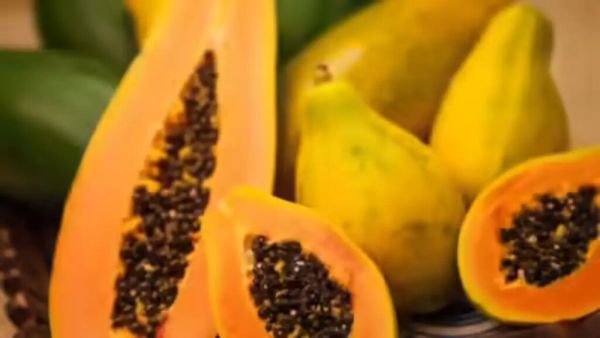
Papaya: Best Summer Fruit
New Delhi: Papaya is an excellent choice in summer to keep the body hydrated and improve digestion. But, nowadays papaya is being cooked in the market by chemical methods, due to which these fruits look attractive, but in reality they are full of harmful chemicals like calcium carbide. It is necessary to avoid these as they can be extremely dangerous for health.
Identification of Natural Papaya
Naturally ripe papaya is light yellow or orange, with green spots being common. In contrast, chemical papaya is extremely shiny and bright. Due to chemicals, there are less stains on its outer layer, which is an indication of it being artificial. If the papaya is of uniform color and looks artificially beautiful, be careful before purchasing it.
recognize by smell
magical effect of fragrance
Natural papaya can be identified by its fragrance. When you smell its stalk, there is a faint sweet smell. At the same time, chemical papaya either has no smell or it has a strong, medicine-like smell. Smelling the stalk is a simple but effective method when purchasing fruit.
difference in texture when touched
difference in texture when touched
Lightly pressing the papaya is also an effective method. Natural papaya is a little soft all over, but it is not completely flattened. In contrast, chemical papaya looks soft from outside, but is hard from inside. If the papaya feels very soft at some places and hard at others, it is an indication of a chemical process.
water immersion test
Home test of drowning in water
Fill a big vessel with water and add papaya in it. Natural papaya is heavy and sinks in water. If the papaya starts floating on the surface of the water, it is a warning. Due to chemicals, the density of the fruit changes, due to which it becomes light and starts floating. This test is considered the most reliable.
Pay attention to the stalk and surface
Look at the stem and surface
While buying, pay attention to the stalk and its upper skin of the papaya. Natural papaya stalks dry slowly, while chemical papayas may have a white powdery deposit, which is a sign of calcium carbide. Always remember that caution is safety. By being alert in the market, you can choose pure and nutritious fruits.
-
James Comey Indicted Over Controversial Seashell Photo Linked to Trump

-
Designer Tailor Faces Legal Action Over Delayed Blouse Delivery

-
Michael Portillo discovers what really happens on state visits in scary encounter

-
Arsenal duo out of Atletico Madrid clash as Mikel Arteta offers five-man injury update

-
High street favourite with 102 stores shuts shop in UK town