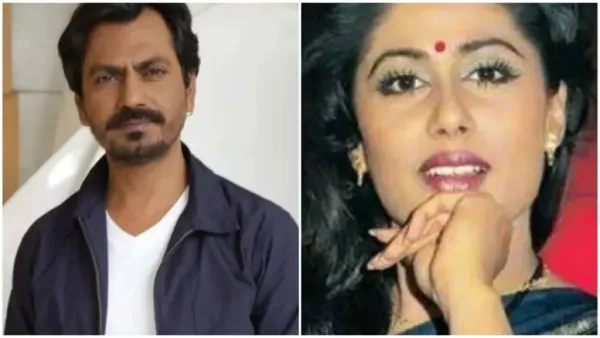
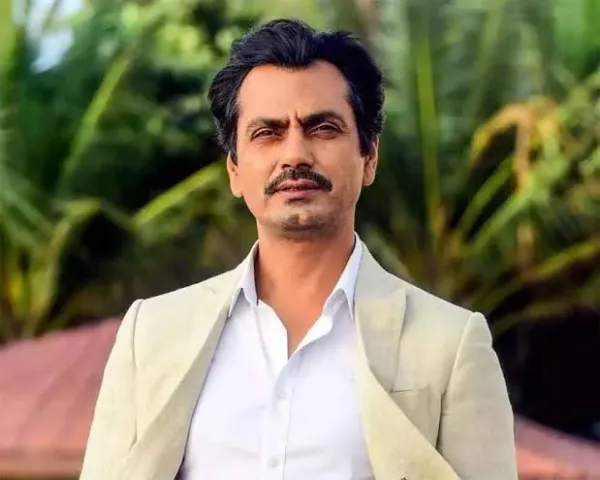
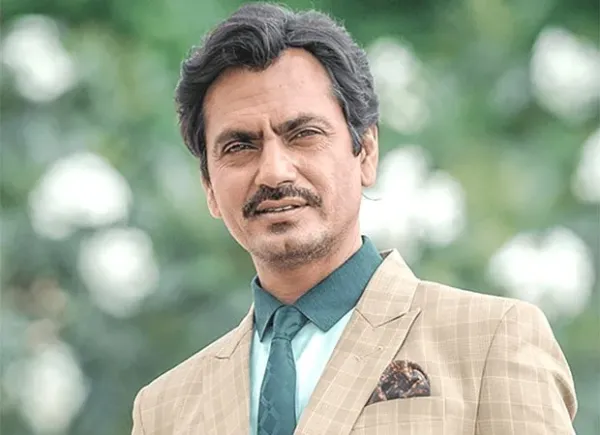
Actor Nawazuddin Siddiqui has spoken about the prevalence of racism and rigid beauty standards in Hindi cinema, stating that entrenched perceptions continue to influence casting and storytelling in the industry.
In a recent interaction, Siddiqui reflected on how conventional ideas of appearance often dictate opportunities in films. He said that the issue is not limited to individuals but is embedded within the system itself, where scripts and casting briefs are frequently shaped by fixed notions of what a lead actor or actress should look like.
The actor pointed out that such biases are reinforced through storytelling patterns, where characters are often written to fit a particular visual template. “People have their perspective, but don’t use that in the system,” he said, adding that many performers struggle because of these predefined expectations.
Siddiqui, who has built a career despite not fitting traditional Bollywood stereotypes, acknowledged that while he has faced discrimination, the industry has also evolved to create space for diverse talent over time. However, he indicated that challenges to appearance and representation still persist.
Expanding on the idea of beauty, the actor said that perceptions differ across cultures and should not be used to limit an artist’s potential. He emphasised that the camera has its own language, and what may not align with conventional standards can still translate powerfully on screen.
During the conversation, Siddiqui also spoke about late actor Smita Patil, describing her as the most beautiful performer he has seen on screen. He said that while she appeared like a “typical Indian girl” off camera, her presence transformed completely in front of the lens.
“She would look like a regular person, but the moment she faced the camera, no one looked more beautiful,” Siddiqui said, highlighting what he described as her unique screen appeal and authenticity.
Smita Patil, regarded as one of the finest actors in Indian cinema, was known for her unconventional roles and strong screen presence. Her performances in parallel cinema and mainstream films alike have been widely recognised for challenging established norms of beauty and representation.
Siddiqui’s remarks come amid ongoing discussions about inclusivity and representation in the film industry. Over the years, several actors have spoken about the challenges posed by colourism and stereotypical casting practices, raising questions about how stories are written and who gets to be at the centre of them.
The actor suggested that change would require a shift not just in casting decisions but also in the way narratives are conceived. According to him, as long as scripts continue to favour a narrow definition of appearance, broader representation will remain limited.
Known for performances that have broken conventional moulds, Siddiqui’s career has often been cited as an example of talent finding recognition despite industry biases. His latest comments add to the ongoing debate about how the Hindi film industry defines beauty and the extent to which those definitions shape opportunities.
-
'I won £1m on Who Wants To Be A Millionaire' - my must-read book for everyone'

-
Air fryers will be free of grease when cleaned with 2 kitchen staples - no scrubbing

-
Sanjay Dutt Apologizes for Controversial Song Lyrics in KD The Devil

-
Junaid Khan Prepares for His Next Film 'Ek Din' Featuring Sai Pallavi

-
Dinesh Karthik Lavishes Praise For Krunal Pandya, Credits Him For Revolutionising Finger Spin