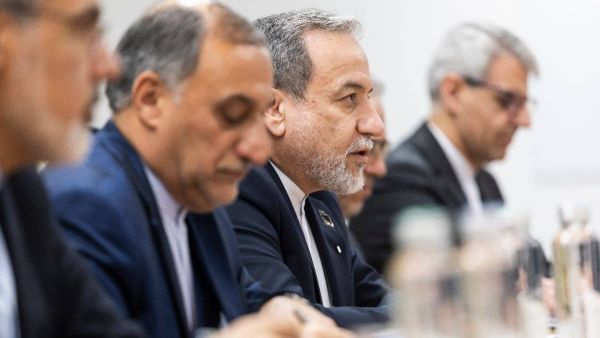
In a continued diplomatic push to navigate the regional crisis, Iranian Foreign Minister Abbas Araghchi has arrived in St Petersburg for high-level discussions with Russian President Vladimir Putin. According to the Iranian state media broadcaster IRNA, the visit follows a series of shuttle diplomacy missions in Oman and Pakistan, as Tehran seeks international support for its recent proposal to de-escalate hostilities.
Reporting on the arrival, the Iranian state media broadcaster IRNA noted that Araghchi's flight to the Russian city carried the significant callsign "Minab 168." The designation was chosen in memory of the children killed during a US-Israeli military strike on an elementary school in the southern Iranian city of Minab on February 28.
Iran's FM Araghchi TOUCHES DOWN in Saint Petersburg ahead of talks with President Vladimir Putin pic.twitter.com/seWWqqCEmg
— RT (@RT_com) April 27, 2026
Strengthening the diplomatic channel between Moscow and Tehran, a Russian Foreign Ministry official confirmed to the news agency TASS that Abbas Araghchi would visit Russia "for talks." This was further corroborated by Kremlin Spokesman Dmitry Peskov, who stated that the head of state was scheduled to meet with the Iranian minister to discuss the intensifying regional situation.
Outlining the agenda for the high-level visit, Tehran's Ambassador to Moscow, Kazem Jalali, pointed out that the top diplomat planned "to hold consultations with the Russian authorities on the current situation in the talks, the ceasefire and developments around the conflict" in the Middle East.
These discussions build upon the continuous communication maintained between the two nations since the commencement of hostilities, during which their respective presidents and ministers have held frequent telephone conversations.
Highlighting the strategic depth of the partnership, Ambassador Jalali noted that “given bilateral relations between the two countries and the fact that Iran and Russia, as neighbours, see eye-to-eye on a number of regional and international issues, we have seen regular communication at the high and top levels.”
This alignment has recently manifested on the global stage, particularly during United Nations Security Council deliberations. The envoy specifically highlighted the effective cooperation between the two capitals regarding a US-initiated resolution on the Strait of Hormuz, which he described as “unbalanced and irrational.”
He noted that "Russia and China spoke out against it and used their veto right," underscoring Moscow's role in shielding Tehran from Western diplomatic pressure.
Prior to his arrival in Russia, the top Iranian diplomat held pivotal meetings in Islamabad to further this regional agenda.
According to the Tasnim news agency, sources indicated that the talks in Pakistan touched upon a "new legal regime for the Strait of Hormuz," the removal of the American blockade on Iranian ports, "compensation payments," and explicit “guarantees of no further attacks on Iran.”
Addressing the nature of these regional engagements, Iranian Foreign Ministry Spokesperson Esmaeil Baghaei pointed out that the minister had intended to communicate solely with senior Pakistani officials regarding their mediation efforts.
He clarified that "no meetings with US officials" had been included on the diplomat's agenda during the visit.
However, the Fars news agency reported that a significant document was handed over to Pakistan to be conveyed to Washington, despite it not being part of the formal “negotiation process.”
Fars claimed that this communication clarified Tehran's "key red lines," with a specific focus on the control of the strategic Strait of Hormuz and the nation's “nuclear energy sector.”
Following the cancellation of high-profile Islamabad peace talks by US President Donald Trump last week, "fresh signs" of diplomatic movement have surfaced, suggesting that both parties are engaging "behind the scenes" to resolve the ongoing “stalemate.”
In a significant development, Tehran has reportedly provided Washington with a "new proposal" aimed at the dual objectives to "reopen the Strait of Hormuz and end the war," according to a report by Axios which cited a US official and two additional sources.
As part of this diplomatic framework, Iran has also suggested a move to "postpone nuclear negotiations" until a subsequent phase of the peace process.
-
If you don't recharge, how many days will it take for your SIM to be deactivated? Know the rules...

-
This amazing Facebook feature is coming to WhatsApp—you'll be able to chat without opening the app...

-
Jharkhand Board 12th Result: The wait for the JAC Board Intermediate results is about to end..

-
School Timings Revised in UP and Uttarakhand Due to Heat and Heatwaves; Holidays Announced in Several States..

-
UP Board Scrutiny Applications Begin: Apply to Have Answer Sheets Rechecked by This Date..