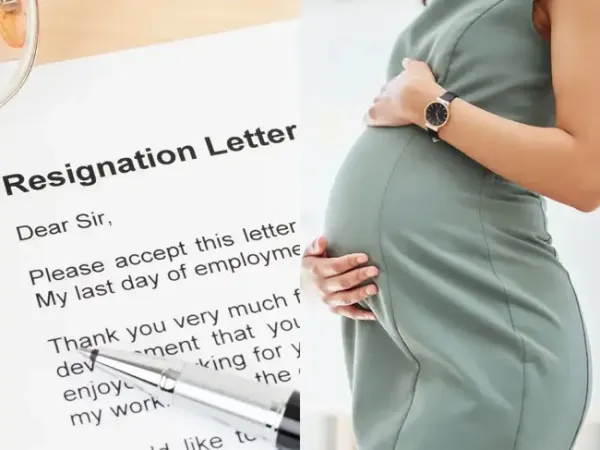
Workplace policies and real-life situations don’t always go hand in hand, and a recent post on Reddit is a reminder of that gap. A man took to the platform to explain the situation his pregnant wife is dealing with, and the responses show how complicated things can get when health issues and company rules collide.
According to the post, the woman is pregnant with twins and was recently advised complete bed rest by her doctor for the rest of her pregnancy. Following this medical advice, she decided to resign from her job as continuing work was no longer possible.
However, things did not go smoothly after that. The employer, as per the husband’s account, has asked her to physically come to the office to serve her notice period if she wants to receive her relieving letter. Given her condition, the couple says this is not just difficult but unsafe.
“My wife is currently pregnant with twins, and her doctor has advised complete bed rest for the remainder of the pregnancy. Based on this, she resigned from her job.”
“However, her company is now insisting that she physically come to the office to serve her notice period if she wants to receive her relieving letter. Given her medical condition, this is just not possible or safe.”
“Are there any legal protections in India for situations like this? Can the company deny a relieving letter if she’s unable to serve notice due to medical reasons? Has anyone faced something similar or found a workaround?” the man asked.
The same user added that legal action is also an option if things don’t move forward. “You can also send a legal notice to put pressure for a fair resolution. If they still refuse, you can take further legal action. Keep all emails and medical documents ready.”
Another commenter, who identified as a lawyer, suggested that the company cannot hold back relieving documents in such a case. “Go ahead and walk out. Ensure to document everything with doctors' reports and bed rest advice. They can't withhold the relieving letters. The maximum they can mention is that you didn't complete your notice period, which as a matter of fact, is already understandable and covered under the doctor's certificates.”
Others pointed out that maternity leave cannot always be taken at any time. “You cannot start maternity leave on a whim, there are rules regarding how many weeks you can take before delivery.” Another user noted, “I think it is 6 weeks. But yes she could have gone for unpaid leaves, if company has such policy.”
A more detailed response from another commenter pointed to broader legal principles. “The employer’s insistence on physically serving the notice period despite a high-risk pregnancy is unreasonable and can be challenged. Employment contracts are subject to principles of fairness and cannot override health and safety concerns.”
Some responses also pointed towards contractual obligations, suggesting that if notice cannot be served, payment in lieu of notice could be an option. Others advised escalating the matter if the employer refuses to cooperate.
Across the discussion, one thing came up again and again — documentation. From medical reports to email communication, users stressed keeping records in case the situation leads to legal action.
According to the post, the woman is pregnant with twins and was recently advised complete bed rest by her doctor for the rest of her pregnancy. Following this medical advice, she decided to resign from her job as continuing work was no longer possible.
However, things did not go smoothly after that. The employer, as per the husband’s account, has asked her to physically come to the office to serve her notice period if she wants to receive her relieving letter. Given her condition, the couple says this is not just difficult but unsafe.
“My wife is currently pregnant with twins, and her doctor has advised complete bed rest for the remainder of the pregnancy. Based on this, she resigned from her job.”
“However, her company is now insisting that she physically come to the office to serve her notice period if she wants to receive her relieving letter. Given her medical condition, this is just not possible or safe.”
Husband seeks clarity on legal rights
The husband then turned to the online community to understand what options they have. He asked if there are any legal protections in India in such cases, whether a company can deny a relieving letter, and if others have faced something similar.“Are there any legal protections in India for situations like this? Can the company deny a relieving letter if she’s unable to serve notice due to medical reasons? Has anyone faced something similar or found a workaround?” the man asked.
Netizens weigh in, call demand ‘unreasonable’
Several users, including those claiming legal backgrounds, responded to the query. One of them said, “Medical condition is a valid reason; she cannot be forced to attend physically. Share the doctor’s advice in writing and request waiver or remote notice. The company cannot act unreasonably in such a situation. They may adjust notice period or accept buyout.”The same user added that legal action is also an option if things don’t move forward. “You can also send a legal notice to put pressure for a fair resolution. If they still refuse, you can take further legal action. Keep all emails and medical documents ready.”
Another commenter, who identified as a lawyer, suggested that the company cannot hold back relieving documents in such a case. “Go ahead and walk out. Ensure to document everything with doctors' reports and bed rest advice. They can't withhold the relieving letters. The maximum they can mention is that you didn't complete your notice period, which as a matter of fact, is already understandable and covered under the doctor's certificates.”
Discussion also turns to maternity leave options
Some users questioned the decision to resign in the first place and suggested alternatives. “Why resign instead of starting the maternity leave early?” one asked, while another added, “Exactly, even my first reaction was, why not go on a pregnency leave, keep the job experience piling up, and decide after delivery”.Others pointed out that maternity leave cannot always be taken at any time. “You cannot start maternity leave on a whim, there are rules regarding how many weeks you can take before delivery.” Another user noted, “I think it is 6 weeks. But yes she could have gone for unpaid leaves, if company has such policy.”
A more detailed response from another commenter pointed to broader legal principles. “The employer’s insistence on physically serving the notice period despite a high-risk pregnancy is unreasonable and can be challenged. Employment contracts are subject to principles of fairness and cannot override health and safety concerns.”
Some responses also pointed towards contractual obligations, suggesting that if notice cannot be served, payment in lieu of notice could be an option. Others advised escalating the matter if the employer refuses to cooperate.
Across the discussion, one thing came up again and again — documentation. From medical reports to email communication, users stressed keeping records in case the situation leads to legal action.