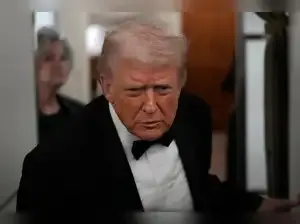
The United States will host this year’s G20 leaders’ summit in Miami on December 14–15, according to a statement from the US Treasury Department, with President Donald Trump expected to preside over the gathering of the world’s major economies.
Ahead of the leaders’ meeting, the US will convene discussions of G20 finance ministers and central bank governors in Asheville, North Carolina, in late August through September 1, the Treasury said, outlining the timeline for key preparatory negotiations on global economic coordination.
Announcing the priorities and schedule for the 2026 G20 Finance Track, US Treasury Secretary Scott Bessent said the administration would seek to steer the grouping toward what he described as its “core mission” through a streamlined, results-oriented agenda centred on pro-growth economic policies.
He credited the United States’ economic performance to the president’s policies and said the finance track would focus on modernising financial regulation, examining global imbalances, improving debt transparency and restructuring processes, supporting digital assets, strengthening cross-border payments while addressing fraud, and promoting financial literacy--efforts to be carried out in coordination with the US State Department.
Bessent also highlighted Asheville as the venue for late-August finance meetings, calling the choice a reflection of the administration’s commitment to the recovery and resilience of western North Carolina following recent natural-disaster damage in the region.
According to the published schedule, in-person G20 Finance Track meetings will begin on April 16 in Washington, DC with a gathering of finance ministers and central bank governors. Deputies will meet in Asheville on August 29–30, followed by the ministers’ and governors’ meeting there from August 31 to September 1. Another ministerial meeting is scheduled for October 15 in Bangkok.
The United States’ G20 host year will culminate in the leaders’ summit on December 14–15 at Trump National Doral, bringing heads of state and government together to finalise negotiations shaped by the finance-track deliberations and broader geopolitical and economic discussions throughout the year.
Ahead of the leaders’ meeting, the US will convene discussions of G20 finance ministers and central bank governors in Asheville, North Carolina, in late August through September 1, the Treasury said, outlining the timeline for key preparatory negotiations on global economic coordination.
Announcing the priorities and schedule for the 2026 G20 Finance Track, US Treasury Secretary Scott Bessent said the administration would seek to steer the grouping toward what he described as its “core mission” through a streamlined, results-oriented agenda centred on pro-growth economic policies.
He credited the United States’ economic performance to the president’s policies and said the finance track would focus on modernising financial regulation, examining global imbalances, improving debt transparency and restructuring processes, supporting digital assets, strengthening cross-border payments while addressing fraud, and promoting financial literacy--efforts to be carried out in coordination with the US State Department.
Bessent also highlighted Asheville as the venue for late-August finance meetings, calling the choice a reflection of the administration’s commitment to the recovery and resilience of western North Carolina following recent natural-disaster damage in the region.
According to the published schedule, in-person G20 Finance Track meetings will begin on April 16 in Washington, DC with a gathering of finance ministers and central bank governors. Deputies will meet in Asheville on August 29–30, followed by the ministers’ and governors’ meeting there from August 31 to September 1. Another ministerial meeting is scheduled for October 15 in Bangkok.
The United States’ G20 host year will culminate in the leaders’ summit on December 14–15 at Trump National Doral, bringing heads of state and government together to finalise negotiations shaped by the finance-track deliberations and broader geopolitical and economic discussions throughout the year.