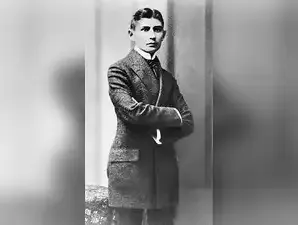
Quote of the day: In a world increasingly shaped by anxiety, self-doubt, and perceived limitations, the idea of obstacles often takes root long before any real challenge appears. Many individuals find themselves hesitating, overanalyzing, or retreating, not because of actual barriers, but because of imagined ones. Literature, particularly from writers who explored the complexities of the human psyche, continues to shed light on such patterns of thought. Among those voices, Franz Kafka stands out for his deep exploration of fear, alienation, and the invisible forces that shape human behavior.
Kafka’s works have long been associated with the unsettling realities of modern existence, where individuals often feel trapped within systems they cannot fully understand. Born in Prague in 1883, Kafka’s life was marked by internal conflict, societal pressures, and a constant search for meaning. His strained relationship with his father, combined with a demanding professional life and fragile health, contributed to a worldview that frequently examined the tension between perceived and actual reality. These experiences not only influenced his writing but also shaped his philosophical reflections on human perception.
“Do not waste your time looking for an obstacle — maybe there is none.”
The quote, simple in structure yet profound in implication, questions one of the most common mental habits: the tendency to anticipate barriers before they exist.
Kafka’s words suggest that not all perceived problems are real. By constantly searching for what might go wrong, people risk overlooking what could go right. The phrase “maybe there is none” introduces an element of uncertainty, not as something to fear, but as something to explore. It encourages a shift from hesitation to action, from doubt to curiosity.
Importantly, the quote does not deny the existence of real challenges. Instead, it distinguishes between genuine obstacles and those constructed by fear or overthinking. In doing so, it calls for a more balanced and rational approach to decision-making, one that is grounded in reality rather than assumption.
Kafka’s own life offers context to this insight. Despite being widely regarded today as one of the most influential writers of the 20th century, he lived much of his life in relative obscurity. Working at an insurance office while pursuing writing during the night, he often described his dual existence as mentally exhausting.
His literary works, including The Trial and The Metamorphosis, reflect themes of confusion, isolation, and the struggle against unseen forces. Characters in his stories frequently confront systems that seem impenetrable, mirroring his own feelings of powerlessness in the face of authority and societal expectations.
Yet, within this darkness lies a subtle clarity. Kafka understood that much of human suffering stems not only from external conditions but also from internal perceptions. His quote, therefore, can be seen as a moment of distilled wisdom, an attempt to break free from the very psychological traps his stories often depict.
By suggesting that obstacles may not exist at all, Kafka challenges this mindset directly. His words encourage individuals to test reality rather than assume it. Often, taking action reveals that the feared barrier was either exaggerated or entirely imaginary.
This perspective aligns with modern psychological understanding, particularly the concept of cognitive distortions, patterns of thinking that exaggerate negative outcomes. By recognizing these patterns, individuals can begin to separate perception from reality.
Kafka’s advice, therefore, is not just philosophical but practical. It advocates for efficiency in thought, focusing only on what is real and actionable. This approach allows individuals to move forward with greater confidence and less emotional burden.
His quote acts as a counterbalance, urging individuals to ground themselves in direct experience rather than speculation. It promotes a mindset of exploration, where uncertainty is approached with openness rather than fear.
For students, professionals, and decision-makers alike, this perspective can lead to more effective problem-solving and a healthier approach to challenges.
Kafka’s works have long been associated with the unsettling realities of modern existence, where individuals often feel trapped within systems they cannot fully understand. Born in Prague in 1883, Kafka’s life was marked by internal conflict, societal pressures, and a constant search for meaning. His strained relationship with his father, combined with a demanding professional life and fragile health, contributed to a worldview that frequently examined the tension between perceived and actual reality. These experiences not only influenced his writing but also shaped his philosophical reflections on human perception.
Quote of the day today
It is within this deeply introspective framework that Kafka’s thought-provoking observation emerges:“Do not waste your time looking for an obstacle — maybe there is none.”
The quote, simple in structure yet profound in implication, questions one of the most common mental habits: the tendency to anticipate barriers before they exist.
Quote of the day meaning
At its core, the quote highlights the human inclination to create obstacles in the mind. Often, individuals assume difficulties, rejection, or failure even before taking the first step. This anticipatory fear can become a self-fulfilling barrier, preventing action and limiting potential.Kafka’s words suggest that not all perceived problems are real. By constantly searching for what might go wrong, people risk overlooking what could go right. The phrase “maybe there is none” introduces an element of uncertainty, not as something to fear, but as something to explore. It encourages a shift from hesitation to action, from doubt to curiosity.
Importantly, the quote does not deny the existence of real challenges. Instead, it distinguishes between genuine obstacles and those constructed by fear or overthinking. In doing so, it calls for a more balanced and rational approach to decision-making, one that is grounded in reality rather than assumption.
The personality behind the perspective
Kafka’s own life offers context to this insight. Despite being widely regarded today as one of the most influential writers of the 20th century, he lived much of his life in relative obscurity. Working at an insurance office while pursuing writing during the night, he often described his dual existence as mentally exhausting.His literary works, including The Trial and The Metamorphosis, reflect themes of confusion, isolation, and the struggle against unseen forces. Characters in his stories frequently confront systems that seem impenetrable, mirroring his own feelings of powerlessness in the face of authority and societal expectations.
Yet, within this darkness lies a subtle clarity. Kafka understood that much of human suffering stems not only from external conditions but also from internal perceptions. His quote, therefore, can be seen as a moment of distilled wisdom, an attempt to break free from the very psychological traps his stories often depict.
Fear versus reality
Kafka’s insight remains highly relevant in contemporary life. In professional environments, individuals may hesitate to pursue opportunities due to fear of rejection. In personal relationships, assumptions about outcomes can prevent honest communication. Even in everyday decisions, overthinking can create a sense of paralysis.By suggesting that obstacles may not exist at all, Kafka challenges this mindset directly. His words encourage individuals to test reality rather than assume it. Often, taking action reveals that the feared barrier was either exaggerated or entirely imaginary.
This perspective aligns with modern psychological understanding, particularly the concept of cognitive distortions, patterns of thinking that exaggerate negative outcomes. By recognizing these patterns, individuals can begin to separate perception from reality.
A lesson in mental clarity
Another key dimension of the quote is its emphasis on time. “Do not waste your time” serves as a reminder that excessive worry consumes valuable energy and opportunity. Time spent anticipating problems is time not spent creating solutions or experiencing growth.Kafka’s advice, therefore, is not just philosophical but practical. It advocates for efficiency in thought, focusing only on what is real and actionable. This approach allows individuals to move forward with greater confidence and less emotional burden.
Relevance in a fast-paced world
In today’s hyperconnected world, where information overload often fuels anxiety, Kafka’s message is particularly significant. Constant exposure to opinions, predictions, and worst-case scenarios can amplify the tendency to anticipate obstacles.His quote acts as a counterbalance, urging individuals to ground themselves in direct experience rather than speculation. It promotes a mindset of exploration, where uncertainty is approached with openness rather than fear.
For students, professionals, and decision-makers alike, this perspective can lead to more effective problem-solving and a healthier approach to challenges.