India’s First Dengue Vaccine is Here! Everything You Need to Know About Qdenga’s Protection Against the Deadly Fever
Sanjeev Kumar | April 23, 2026 3:23 AM CST
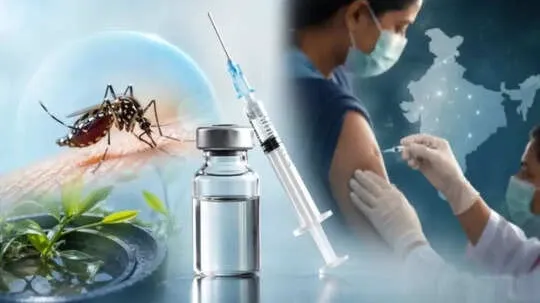
India is all set to take a major step in public health with the approval of its first dengue vaccine, Qdenga (TAK-003), developed by Takeda Pharmaceutical Company and manufactured locally with Biological E. Expected to roll out soon this year, the vaccine comes at a crucial time as dengue cases continue to rise across the country.
Dengue - a mosquito-borne illness- poses a significant disease burden, as it involves around-the-clock medical care and a personalised approach to achieve complete recovery.
Why India needs a dengue vaccine
Dengue is spread by the Aedes aegypti mosquito and has become hyperendemic in India. With all four virus serotypes circulating, outbreaks are becoming more frequent - especially during monsoons.
According to government data, dengue cases have steadily increased over the past few years. While around 44,000 cases were reported in 2020, this number exceeded 230,000 in 2023 and 2024. In 2025, more than 113,000 cases were reported. Experts believe the actual figure could be even higher, as many cases go unreported.
What is Qdenga and how does it work?
Qdenga is a live attenuated tetravalent dengue vaccine, which means it is designed to protect against all four dengue virus strains - DEN-1, DEN-2, DEN-3, and DEN-4. Experts believe that, unlike the earlier vaccines, Qdenga works in people with or without prior dengue infection, trains the immune system to recognise and fight all dengue strains, and significantly reduces the risk of severe dengue and hospitalisation.
The vaccine is administered in two doses, typically spaced three months apart.
Globally, Qdenga has been tested in over 60,000 participants, approved in more than 40 countries, and has received World Health Organization (WHO) prequalification, which indicates strong safety and efficacy data.
 Who should get the Dengue vaccine?
Health authorities are expected to release official guidelines, but experts suggest priority groups may include:
Who should get the Dengue vaccine?
Health authorities are expected to release official guidelines, but experts suggest priority groups may include:
Who should get the Dengue vaccine?
Health authorities are expected to release official guidelines, but experts suggest priority groups may include:
- Children, who are more vulnerable to complications
- Elderly individuals are at a higher risk of severe illness
- People in dengue-prone areas
- Outdoor workers, frequently exposed to mosquitoes
- Travellers visiting high-risk regions
- Avoid stagnant water to prevent mosquito breeding
- Use mosquito repellents and nets
- Wear full-sleeve clothing
- Maintain clean surroundings
- Mild fever
- Headache
- Fatigue
- Pain at the injection site
READ NEXT
-
Discover the Plant That Neutralizes Snake Venom in Minutes

-
Emergency Delivery Leads to Chaos in Etah Hospital

-
Cesc Fabregas to Chelsea verdict given after Liam Rosenior brutally sacked

-
Homes evacuated in Derby as army's specialist unit deployed after 'substances' found

-
The Entertainer to open 3 new toy shops across UK - first one during May