
Listen to this article in summarized format
Loading...
××
Subscribe to

Unlock AI Briefing and Premium Content
New Year Offer 24 Hours Left
Subscribe NowAlready a member? Sign In
What's Included
- Exclusive Stories
- Daily ePaper Access
- Smart Market Tools
- Curated Investment Ideas
- Ad-lite Experience
Subscription

Many Indians complain about traffic, chaos, and daily frustrations, but sometimes it takes an outsider’s perspective to notice what has quietly changed. A visit from a friend returning from the United States sparked exactly that kind of reflection for one Delhi founder. What seemed ordinary to locals, groceries in minutes, affordable help at home, instant digital payments, and a smooth highway drive, felt extraordinary to someone used to a different system. His reaction has now struck a chord online.
Fund manager Gurmeet Chadha, who is a founder and managing partner of Delhi-based Complete Circle Wealth Solutions LLP, took to X and shared how a visiting friend from the United States was surprised by the speed, convenience, and affordability of everyday services in India. According to the fund manager, the experience began on a routine evening when his family was away, and a friend from the US came over. What followed was a rapid demonstration of how urban Indian life now functions through app-based convenience and digital infrastructure.
Milk and groceries in 10 minutes
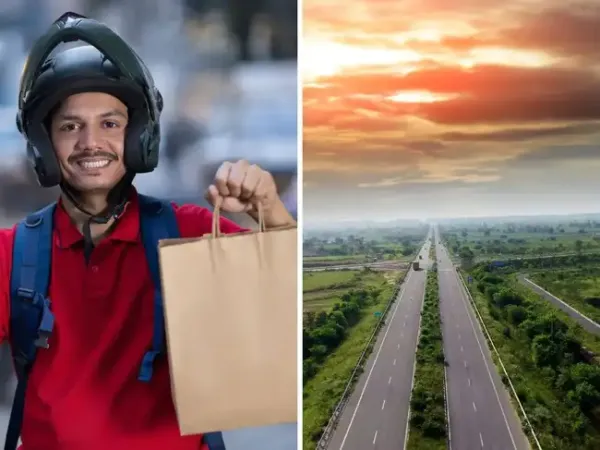
The first surprise came with essentials. Milk and groceries were ordered through Blinkit and arrived in around 10 minutes. What many city residents now treat as normal felt remarkable to someone comparing it with the slower and often more expensive delivery ecosystem in many parts of the US.
Breakfast home delivered in half an hour
The next moment came the following morning. Breakfast was arranged with chole bhature delivered in around 30 minutes. Beyond the food itself, the visiting friend was struck by the ease with which hot, ready-to-eat local meals could be accessed quickly through digital platforms. The convenience did not stop there.
Finding househelp online
Chadha also shared that household support was arranged through Pronto. A househelp came in and managed household tasks for one hour at a cost of Rs 150. For the visiting guest, the combination of on-demand service, low cost, and ease of booking stood out as another example of a lifestyle advantage many residents overlook.
Every step of the process, from groceries to meals to home services, was completed digitally through online payments. No cash exchange, no lengthy coordination, and no complex logistics were required.
Delhi to Dehradun in under 3 hours
The final surprise was physical infrastructure. Chadha said they later drove to Dehradun in just 2.5 hours, a reference to the improved connectivity enabled by the Delhi-Dehradun Expressway and related road upgrades. For someone accustomed to longer travel times or more expensive intercity movement abroad, the speed of the trip added another layer to the overall impression.
After witnessing the sequence of services and travel convenience in a short span, Chadha said his friend described it as quality of life. That phrase resonated online because it challenged a common assumption that quality of life is measured only through cleaner skylines, higher incomes, or life in Western countries. For many people, quality of life can also mean saving time, accessing affordable services, reducing friction in daily routines, and moving between cities efficiently.
The post also highlighted how quickly expectations can shift. Services like 10-minute grocery delivery, digital payments, app-based domestic help, and faster highways have become so embedded in urban India that many users no longer see them as extraordinary. Yet to someone encountering them from the outside, they can feel transformative.
Fund manager Gurmeet Chadha, who is a founder and managing partner of Delhi-based Complete Circle Wealth Solutions LLP, took to X and shared how a visiting friend from the United States was surprised by the speed, convenience, and affordability of everyday services in India. According to the fund manager, the experience began on a routine evening when his family was away, and a friend from the US came over. What followed was a rapid demonstration of how urban Indian life now functions through app-based convenience and digital infrastructure.
Milk and groceries in 10 minutes
The first surprise came with essentials. Milk and groceries were ordered through Blinkit and arrived in around 10 minutes. What many city residents now treat as normal felt remarkable to someone comparing it with the slower and often more expensive delivery ecosystem in many parts of the US.Breakfast home delivered in half an hour
The next moment came the following morning. Breakfast was arranged with chole bhature delivered in around 30 minutes. Beyond the food itself, the visiting friend was struck by the ease with which hot, ready-to-eat local meals could be accessed quickly through digital platforms. The convenience did not stop there.Finding househelp online
Chadha also shared that household support was arranged through Pronto. A househelp came in and managed household tasks for one hour at a cost of Rs 150. For the visiting guest, the combination of on-demand service, low cost, and ease of booking stood out as another example of a lifestyle advantage many residents overlook.Every step of the process, from groceries to meals to home services, was completed digitally through online payments. No cash exchange, no lengthy coordination, and no complex logistics were required.
Delhi to Dehradun in under 3 hours
The final surprise was physical infrastructure. Chadha said they later drove to Dehradun in just 2.5 hours, a reference to the improved connectivity enabled by the Delhi-Dehradun Expressway and related road upgrades. For someone accustomed to longer travel times or more expensive intercity movement abroad, the speed of the trip added another layer to the overall impression.After witnessing the sequence of services and travel convenience in a short span, Chadha said his friend described it as quality of life. That phrase resonated online because it challenged a common assumption that quality of life is measured only through cleaner skylines, higher incomes, or life in Western countries. For many people, quality of life can also mean saving time, accessing affordable services, reducing friction in daily routines, and moving between cities efficiently.
The post also highlighted how quickly expectations can shift. Services like 10-minute grocery delivery, digital payments, app-based domestic help, and faster highways have become so embedded in urban India that many users no longer see them as extraordinary. Yet to someone encountering them from the outside, they can feel transformative.