
Listen to this article in summarized format
Loading...
××
Subscribe to

Unlock AI Briefing and Premium Content
New Year Offer 24 Hours Left
Subscribe NowAlready a member? Sign In
What's Included
- Exclusive Stories
- Daily ePaper Access
- Smart Market Tools
- Curated Investment Ideas
- Ad-lite Experience
Subscription

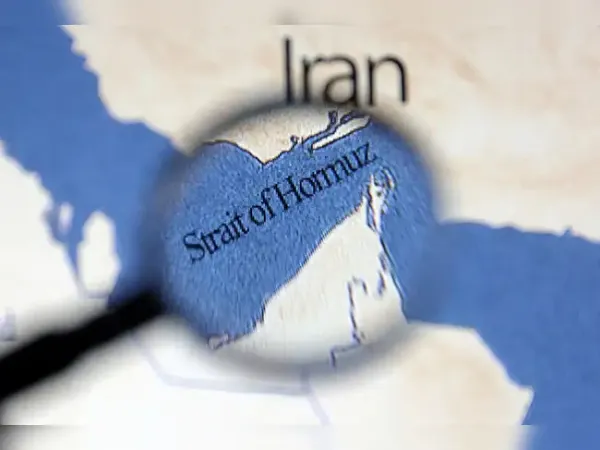
The Strait of Hormuz reopened for commercial vessels on Friday in line with a 10-day ceasefire between Israel and Lebanon, briefly lifting oil markets and drawing fresh optimism from Washington but Tehran quickly tempered the mood, warning it could shut the critical waterway again if the United States maintains its naval blockade of Iranian ports.
Iranian Foreign Minister Seyed Abbas Araghchi announced the Hormuz opening on X, saying commercial passage was "declared completely open for the remaining period of the ceasefire" along a coordinated route designated by Iran's Ports and Maritime Organisation. Oil prices fell sharply on the news, with Brent crude dropping over 8% to around $90.93 a barrel.
Also Read: US extends waiver allowing India and other countries to buy Russian oil
The optimism, however, was short-lived.
Iran pushes back
Parliamentary Speaker Mohammad Bagher Ghalibaf warned on X that "with the continuation of the blockade, the Strait of Hormuz will not remain open," adding that passage through the waterway would require Iranian authorisation. Foreign ministry spokesman Esmaeil Baqaei was more direct: "What they call a naval blockade will definitely be met with an appropriate response from Iran. A naval blockade is a violation of the ceasefire and Iran will definitely take the necessary measures."
Baqaei also pushed back on Trump's Truth Social post claiming the US would recover Iran's enriched uranium — referring to what Trump called "Nuclear Dust" created by B2 bomber strikes last year. The Iranian spokesman said recent talks had shifted focus from the nuclear issue to ending the war, with sanctions relief and war damage compensation now the key priorities for Tehran.
"The opening and closing of the Strait of Hormuz does not take place on internet, it is determined in the field, and our armed forces certainly know how to behave in response to any action by the other side," Baqaei said, responding to Trump's Truth Social post reiterating the naval blockade would stay until a deal was reached.
Iran also blocked military vessels from transiting the strait. A senior military official told state television that civilian ships would have to use designated routes under authorisation from the Islamic Revolutionary Guard Corps navy.
Trump claims deal is 'very close', Iran denies uranium handover
US President Donald Trump, speaking to AFP and at an event in Phoenix, Arizona, said a deal with Iran was "very close" and claimed Tehran had agreed to hand over its stockpile of enriched uranium. "We're going to get it by going in with Iran, with lots of excavators," he said. Trump also said there were "no sticking points at all" left in negotiations and hailed Saturday as "GREAT AND BRILLIANT" in a series of social media posts praising Pakistan and Gulf allies.
Iran rejected the uranium claim outright, saying its enriched stockpile was not going anywhere. An Iranian official told Reuters that significant differences between the two sides remained, including on nuclear issues, though he said a preliminary deal could be reached in coming days and that Tehran was prepared to provide assurances about the peaceful nature of its nuclear programme if its demands were met.
Trump, for his part, confirmed the US naval blockade would remain "in full force and effect" on Iranian ships and ports until a deal, including on the nuclear programme, was concluded.
Lebanon ceasefire holds, uneasily
The 10-day truce between Israel and Lebanon, which came into effect Thursday, was also a key factor in the Hormuz breakthrough. Iran had insisted that a halt to Lebanon fighting be part of any broader agreement. Displaced Lebanese families began returning to homes in bomb-damaged south Beirut and the south of the country.
Also Read: Trump telegraphs end to Iran war as focus turns to economy
Israeli Prime Minister Benjamin Netanyahu, however, warned that the campaign against Hezbollah was "not over," saying the dismantling of the group remained a key objective. Israel warned military action could resume if the area south of the Litani River was not cleared of Hezbollah fighters. Hezbollah said it remained ready to respond to any Israeli violations.
Trump said Israel had been "prohibited" by Washington from carrying out further strikes. Pakistan's army chief Asim Munir met with Ghalibaf in Tehran as part of continued mediation efforts ahead of a possible second round of US-Iran talks, which Vance is expected to lead.
With inputs from AP
Iranian Foreign Minister Seyed Abbas Araghchi announced the Hormuz opening on X, saying commercial passage was "declared completely open for the remaining period of the ceasefire" along a coordinated route designated by Iran's Ports and Maritime Organisation. Oil prices fell sharply on the news, with Brent crude dropping over 8% to around $90.93 a barrel.
Also Read: US extends waiver allowing India and other countries to buy Russian oil
The optimism, however, was short-lived.
Iran pushes back
Parliamentary Speaker Mohammad Bagher Ghalibaf warned on X that "with the continuation of the blockade, the Strait of Hormuz will not remain open," adding that passage through the waterway would require Iranian authorisation. Foreign ministry spokesman Esmaeil Baqaei was more direct: "What they call a naval blockade will definitely be met with an appropriate response from Iran. A naval blockade is a violation of the ceasefire and Iran will definitely take the necessary measures."
Baqaei also pushed back on Trump's Truth Social post claiming the US would recover Iran's enriched uranium — referring to what Trump called "Nuclear Dust" created by B2 bomber strikes last year. The Iranian spokesman said recent talks had shifted focus from the nuclear issue to ending the war, with sanctions relief and war damage compensation now the key priorities for Tehran.
"The opening and closing of the Strait of Hormuz does not take place on internet, it is determined in the field, and our armed forces certainly know how to behave in response to any action by the other side," Baqaei said, responding to Trump's Truth Social post reiterating the naval blockade would stay until a deal was reached.
Iran also blocked military vessels from transiting the strait. A senior military official told state television that civilian ships would have to use designated routes under authorisation from the Islamic Revolutionary Guard Corps navy.
Trump claims deal is 'very close', Iran denies uranium handover
US President Donald Trump, speaking to AFP and at an event in Phoenix, Arizona, said a deal with Iran was "very close" and claimed Tehran had agreed to hand over its stockpile of enriched uranium. "We're going to get it by going in with Iran, with lots of excavators," he said. Trump also said there were "no sticking points at all" left in negotiations and hailed Saturday as "GREAT AND BRILLIANT" in a series of social media posts praising Pakistan and Gulf allies.
Iran rejected the uranium claim outright, saying its enriched stockpile was not going anywhere. An Iranian official told Reuters that significant differences between the two sides remained, including on nuclear issues, though he said a preliminary deal could be reached in coming days and that Tehran was prepared to provide assurances about the peaceful nature of its nuclear programme if its demands were met.
Trump, for his part, confirmed the US naval blockade would remain "in full force and effect" on Iranian ships and ports until a deal, including on the nuclear programme, was concluded.
Lebanon ceasefire holds, uneasily
The 10-day truce between Israel and Lebanon, which came into effect Thursday, was also a key factor in the Hormuz breakthrough. Iran had insisted that a halt to Lebanon fighting be part of any broader agreement. Displaced Lebanese families began returning to homes in bomb-damaged south Beirut and the south of the country.
Also Read: Trump telegraphs end to Iran war as focus turns to economy
Israeli Prime Minister Benjamin Netanyahu, however, warned that the campaign against Hezbollah was "not over," saying the dismantling of the group remained a key objective. Israel warned military action could resume if the area south of the Litani River was not cleared of Hezbollah fighters. Hezbollah said it remained ready to respond to any Israeli violations.
Trump said Israel had been "prohibited" by Washington from carrying out further strikes. Pakistan's army chief Asim Munir met with Ghalibaf in Tehran as part of continued mediation efforts ahead of a possible second round of US-Iran talks, which Vance is expected to lead.
With inputs from AP