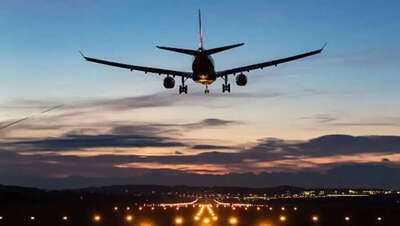
A significant jet fuel shortage is looming in Europe and Asia, primarily due to the ongoing conflict in Iran and the near-complete closure of the Strait of Hormuz. This situation poses a serious risk to global air travel in the coming weeks. With oil supplies severely restricted, airlines are preparing for increased ticket prices and possible flight cancellations just as the summer travel season approaches. Fatih Birol, the director of the International Energy Agency (IEA), has indicated that Europe may have only about six weeks of jet fuel remaining, labeling this crisis as the most significant energy challenge facing the global economy.
Experts warn that as the closure of the Strait of Hormuz continues, Europe is inching closer to a critical supply shortage. The ongoing conflict has resulted in a loss of 10 to 15 million barrels of oil daily, with the strait accounting for approximately 40% of Europe's jet fuel imports. Amaar Khan, who oversees European jet fuel pricing at Argus Media, noted that no jet fuel has passed through the strait since the conflict began. He emphasized that while refineries in Asia and Europe are identical, a lack of oil will disrupt their operations.
Despite the IEA releasing 400 million barrels from emergency reserves, this will not provide immediate relief. The consequences of this situation are expected to affect travelers as the summer season approaches.
Impact on Travelers How this could affect you
Airline representatives worldwide are responding cautiously to the potential fuel crisis while attempting to reassure their customers. Some airlines have already begun to pass on increased costs to passengers by raising fees for baggage and other services, incorporating these costs into ticket prices, or implementing fuel surcharges. A few airlines have also started to reduce their flight schedules.
Experts predict that various aspects of air travel, including scheduling flexibility and available routes, may be affected. Travelers could experience a market characterized by later booking patterns, increased schedule volatility, and fewer low-cost options if the disruption persists into the peak summer season. For instance, Air India has raised its domestic and international flight fares as of April 8, reflecting the surge in aviation turbine fuel (ATF) prices, with some flights seeing increases of up to Rs 25,000.
Major international airlines such as Emirates, Lufthansa, and KLM have also adjusted their fees or fares in response to fluctuating prices. Lufthansa announced that labor disputes and high fuel costs are forcing it to shut down its feeder airline CityLine sooner than anticipated. Similarly, Hong Kong's Cathay Pacific has raised fuel surcharges by approximately 34% across all routes.
Europe is expected to face the most significant impact, with airlines like KLM and EasyJet reporting that rising costs are straining their budgets. KLM recently announced a reduction of 160 flights next month, which constitutes about 1% of its total European routes, citing 'rising kerosene costs' as the reason for this decision.
Many airlines have raised alarms regarding escalating fuel prices, with some already passing these costs onto travelers through increased ticket prices and additional fees. In recent weeks, US carriers such as Delta, United, American Airlines, Southwest Airlines, and JetBlue have all raised checked baggage fees.
United Airlines CEO Scott Kirby mentioned in a memo that sustained high fuel prices could lead to an additional $11 billion in annual costs for the airline.
Understanding Jet Fuel Costs How does jet fuel factor into the cost?
Jet fuel, a refined kerosene-based product, constitutes the largest expense for airlines, accounting for about 30% of their overall costs, according to the International Air Transport Association. This fuel is derived from crude oil at refineries, which also produce gasoline and diesel.
Airlines typically procure jet fuel from refineries or fuel suppliers, similar to how consumers purchase gasoline, but on a much larger scale. Jet fuel is transported via ships and pipelines and is stored at airports by the airlines.
While airlines manage their fuel purchases, a regional shortage does not necessarily mean that flights will be canceled, as some airlines may have larger reserves than others. However, remaining flights are likely to be more expensive due to the increased fuel costs. Larger airlines may have an advantage in regions experiencing shortages. According to the latest IEA report, several European countries are now operating with less than 20 days of fuel supply coverage, a significant drop from the 29 days reported since 2020. If supplies fall below 23 days, physical shortages could occur at some airports, leading to flight cancellations and decreased demand.
(With inputs from various sources)
-
Battery: Mobile Phone Explodes During Airport Security Scan—Does Your Phone Have This Type of Battery Too?

-
Post Office Schemes: The Post Office's Kisan Vikas Patra and NSC schemes are offering double benefits..

-
₹69,000 Minimum Salary Buzz Explained: What the 8th Pay Commission May Actually Decide

-
Akshaya Tritiya 2026 Gold Rules: How Much Gold Can You Legally Keep at Home?

-
Surya Nutan: Now You Can Cook Using Sunlight—Indian Oil Introduces New Technology..