
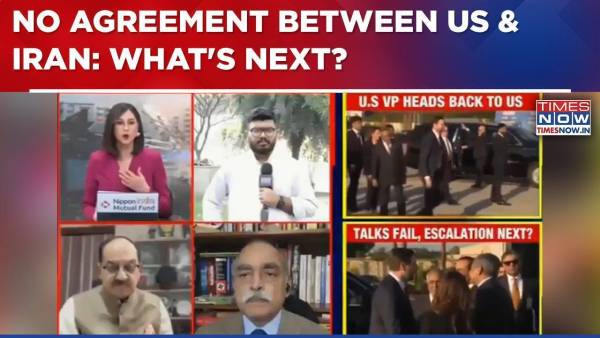
In a significant diplomatic setback, the United States and Iran concluded 21 hours of negotiations in Islamabad without reaching a consensus, casting doubt on a fragile two-week ceasefire. US Vice President JD Vance, who led the American delegation, expressed disappointment, stating, "The bad news is that we have not reached an agreement," attributing the failure to Iran's refusal to accept what he termed the "best offer" from Washington. Iran has since pointed to external factors as a cause for the breakdown in talks, with Foreign Minister Abbas Araghchi alleging that a phone call from Israeli Prime Minister Benjamin Netanyahu to Vance during the discussions diverted attention from US-Iran negotiations to Israeli interests. "Netanyahu's call to Vance during the meeting shifted the focus from US-Iran negotiations to Israel's interests," Araghchi stated, as reported by Press TV.
He further remarked, "The US attempted to achieve at the negotiating table what it could not accomplish through military action."
Reasons Behind the Breakdown of US-Iran Talks Why US-Iran Talks Failed? Insights from Both Sides
The discussions involved a US delegation led by Vance, which included Jared Kushner, son-in-law of former President Donald Trump, and Special Envoy Steve Witkoff. The Iranian side was represented by Parliament Speaker MB Ghalibaf and Foreign Minister Abbas Araghchi. These talks were initiated following a temporary ceasefire announced by both nations on Tuesday, which aimed to halt the conflict that erupted on February 28. Vance emphasized the necessity for Iran to commit to not pursuing nuclear weapons, stating, "That is the core goal of the president of the United States. And that’s what we’ve tried to achieve through these negotiations."
Conversely, the Iranian Foreign Ministry attributed the failure to the US's "excessive demands," which hindered the establishment of a framework for agreement. Ghalibaf pointed out that a significant reason for the unsuccessful talks was the lack of trust in the US. He outlined five key points after the lengthy negotiations:
Escalating Tensions Following Failed Talks Trump's Blockade Threat and Iran's Warning
In the wake of the unsuccessful negotiations, President Trump announced a blockade on vessels entering or leaving the Strait of Hormuz, stating, "Effective immediately, the United States Navy, the Finest in the World, will begin the process of BLOCKADING any and all Ships trying to enter, or leave, the Strait of Hormuz." In response, Iran’s Islamic Revolutionary Guard Corps (IRGC) Navy cautioned that any misstep by the US in the Strait could lead to severe repercussions, warning that hostile actions could ensnare American forces in "deadly whirlpools."
-
MI vs RCB IPL 2026: Virat Kohli’s 50 Was Actually RCB’s Biggest Problem vs MI
-
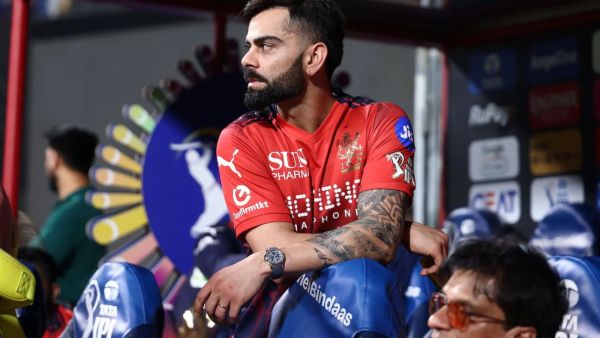
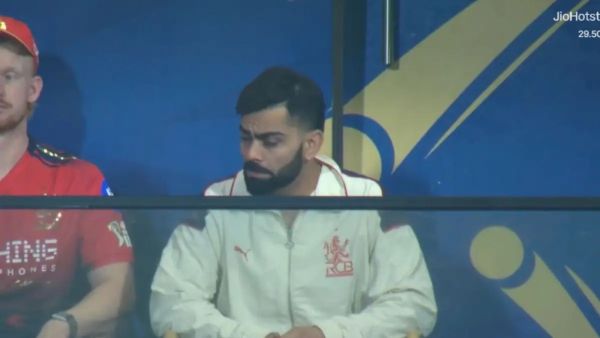
Virat Kohli’s Injury Update: Is He Set To Be Dropped For RCB vs LSG IPL 2026 Game?
-
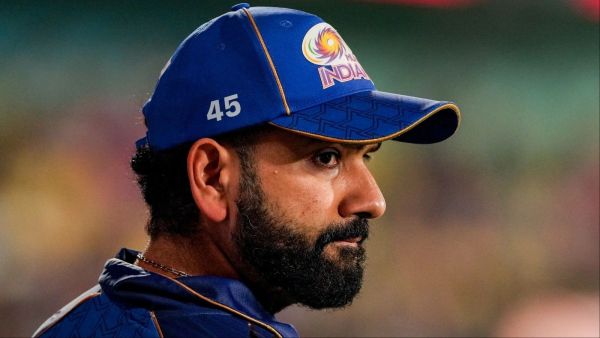
Rohit Sharma Injury Update: Is He Out From IPL 2026?
-
Hardik Pandya vs Krunal Pandya: Why Is There A Fight Between Pandya Brothers?

-
Prepare Amla juice in just 5 minutes, your face will glow amazingly and diseases will stay away!