Pious Foods in Hindu Culture: Have you ever wondered why only specific fruits, grains, and sweets are considered sacred in Hindu rituals and worship? In fact, according to Hindu tradition and Vedic culture, there are numerous food items deemed sacred; these foods symbolize *Sattvic* purity and divine grace. This is precisely why they are offered to deities as *Naivedya* (sacred food offerings) during festivals, worship ceremonies, and in temples—offerings which are subsequently distributed as *Prasad* to uplift the soul. Interestingly, most of these food items have deep roots in Hindu mythology and find mention in ancient scriptures. Presented here are some common food items regarded as "food for the Gods," making them the most suitable choices for religious offerings.

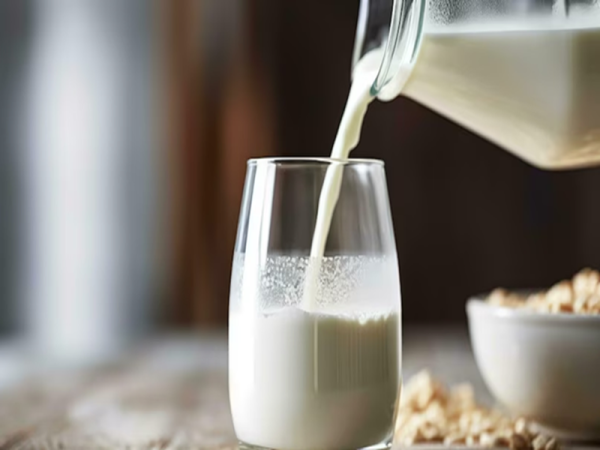
According to Hindu mythology, the cow is associated with *Kamadhenu*—the divine, wish-fulfilling cow—which is why cow's milk is considered sacred. Milk is one of the most essential elements in the ritual of *Abhishekam* (ritual bathing of deities) and is regarded as one of the most sacred offerings to Lord Shiva.
It is believed that performing *Abhishekam* with milk alleviates mental stress and fosters positivity. The *Sattvic* nature of milk pacifies the *Pitta* *dosha*, purifies the blood, and enhances emotional stability, making it an ideal offering for fasting days, *Ekadashi*, and general worship. In ancient scriptures such as the *Rigveda*, milk is revered as *Amrita* (nectar), capable of transferring *Prana* (vital life force) from the Earth to the devotee.
In Vedic *Yajnas* (sacrificial rituals), pure *Ghee* (clarified butter) is offered to the deities; its golden purity symbolizes the transformative light of the sacred fire (*Agni*). According to Ayurveda, *Ghee* enhances digestive strength, lubricates the joints, and—by boosting *Ojas* (vitality)—bestows immunity and longevity. In temples, particularly during the festival of Diwali, the idols of deities are ritually bathed (*Abhishekam*) in *Ghee*, symbolizing the triumph over *Tamas* (darkness/inertia) and the dawn of spiritual enlightenment.
Raw honey—referred to as *Madhu* in the scriptures—is offered upon the *Shivling* during the holy month of *Sawan* and is also incorporated into the sacred mixture known as *Panchamrita*. Its natural energy balances the *Tridoshas* (the three bodily humors), heals wounds, and enhances *Sattvic* qualities during meditation. In the Puranas, honey is associated with divine grace; offering it is believed to dispel negativity and bestow prosperity and vitality.
Ripe bananas are offered to Lord Ganesha and his brother Murugan (also known as Kartikeya); their shape symbolizes fertility, and they are frequently presented as offerings at the Palani temple. Rich in potassium, bananas pacify the *Vata* *Dosha*, providing an instant energy boost during worship without generating excess body heat. The wholeness of an unpeeled banana symbolizes the completeness of *Karma*—a concept celebrated during Navaratri, when bananas are distributed to share collective blessings.

Unrefined jaggery, made from sugarcane, symbolizes prosperity within the *Pongal* offering; its minerals purify the blood, while its iron content acts as a restorative tonic. It helps alleviate the *Kapha* *Dosha*, sweetens the *Gujiyas* prepared for Holi, and transforms *Rajasic* tendencies into *Sattvic* ones. In the *Bhagavata Purana*, jaggery is deemed superior to refined white sugar, serving as a symbol of the Earth's humble yet potent righteousness.
PC Social Media
-
Church-run daily slams 'political opportunists' amid row over FCRA, BJP leader's remarks

-
Kerala HC allows two transgender persons to continue hormone therapy amid petitions against new law

-
Meet the 'modern dacoits' of Chambal

-
Dilwale Dulhania Le Jayenge Features In The Academy's Social Media Post, Kajol Reacts

-
Pooja Hegde Responds to Jana Nayagan Leak Amid Industry Outcry