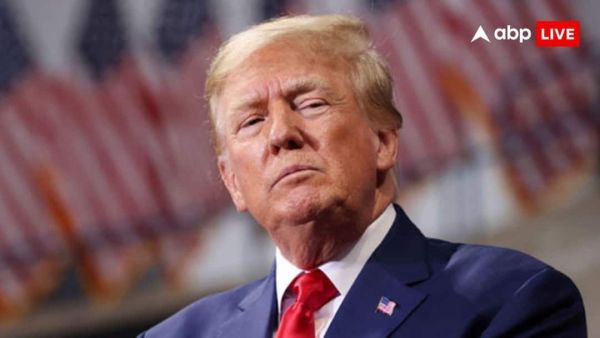
U.S. President Donald Trump has declared that Washington is moving ahead with plans to reopen the strategically critical Strait of Hormuz, signaling a bold stance despite ongoing tensions with Iran. Speaking to reporters on Friday before departing Joint Base Andrews aboard Air Force One, Trump acknowledged the challenges ahead but remained firm on the outcome.
“We will have that open fairly soon,” he said adding, "with or without them", as per reports.
Strait Of Hormuz: Strategic Lifeline At Center Of Conflict
The Strait of Hormuz is a crucial artery for global energy supplies, handling roughly one-fifth of the world’s oil and gas shipments. Since the outbreak of the current conflict, Iran has effectively blocked the waterway, disrupting international shipping and sending shockwaves through global markets.
Trump insisted that the strait, as an international passage, cannot be controlled unilaterally. He dismissed suggestions that Tehran could impose fees on vessels, following reports that Iran intended to charge a $1-per-barrel toll. Oman, which shares control over the strait, has denied those claims.
Allies Expected To Step In
While the U.S. prepares to act, Trump hinted that other nations dependent on the route are ready to contribute to efforts aimed at reopening the passage. However, he stopped short of identifying specific countries.
At the same time, Trump voiced frustration with NATO allies, urging them to take on a more active role in safeguarding the strait. NATO Secretary-General Mark Rutte has reportedly conveyed Trump’s call for firm commitments from European governments.
Diplomatic Push Amid Military Claims
The remarks come ahead of anticipated negotiations in Pakistan, where U.S. envoys including Steve Witkoff and Jared Kushner are expected to engage Iranian representatives. The delegation from Tehran is set to include Foreign Minister Abbas Araghchi and parliamentary speaker Mohammad Bagher Ghalibaf.
Despite the planned talks, Trump downplayed the need for contingency strategies, asserting that Iran’s military capabilities have already been significantly weakened. He claimed that U.S. and Israeli operations had dismantled much of Iran’s air force, missile systems, and leadership structure, adding that the strait would reopen “automatically” as a consequence.
Fragile Truce Under Pressure
The situation remains volatile, with a tenuous two-week ceasefire between Washington and Tehran showing signs of strain. Israel has continued military operations in Lebanon, further complicating the regional picture.
Hezbollah entered the conflict following the killing of Iran’s Supreme Leader Ayatollah Ali Khamenei at the outset of hostilities, escalating the crisis into a broader regional confrontation.
Conflict’s Global Ripple Effects
The war, triggered by U.S.-Israeli strikes on Iran on February 28, has rapidly expanded, drawing in multiple actors across the region. Iran responded with attacks on Israeli territory and U.S. bases in the Gulf, while Israeli operations in Lebanon have resulted in heavy casualties and mass displacement.
The disruption of shipping through the Strait of Hormuz has already driven up oil prices and unsettled global markets. With tensions still high and negotiations uncertain, the fate of the ceasefire — and the stability of global energy supplies — hangs in the balance.
-
Veteran actor Ranjeet shows how he stays fit in his 80s in new workout video, credits daughter for being his gym trainer

-
Men should never consume these things even by mistake, they will never be able to become a father.. Know’ – News Himachali News Himachali

-
What is the complete mathematics of 8th Pay Commission? When will your salary and pension increase, know the answer to every question here

-
How dangerous is increase in protein in blood test? What disease is this a symptom of

-
Danger of heatwave! These Ayurvedic methods are effective in protecting from scorching heat