Your go-to hygiene hack could be wrecking your precious jewellery
ETimes | April 10, 2026 6:39 PM CST
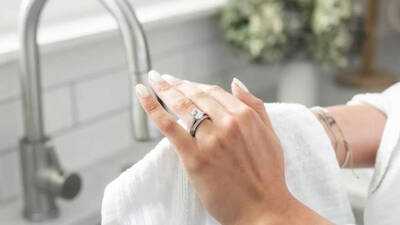
The small bottle of hand sanitiser that is become a staple in handbags and pockets since Covid-19 offers a quick way to stay germ-free when soap and water are not available but while we have been diligently sanitising our hands multiple times a day, we may have inadvertently been damaging something precious in the process. Experts have revealed that this convenient cleaning product could be quietly sabotaging your rings .
Read on to understand the damage hand sanitiser can cause and how to keep both your hands and your jewellery in pristine condition.
How hand sanitiser damages your rings
Hand sanitiser typically contains 60-95% alcohol, along with additional chemicals like hydrogen peroxide and glycerin. While effective at killing germs, these ingredients can wreak havoc on your jewellery.
“The alcohol in hand sanitiser is incredibly drying and can cause significant damage to certain metals and gemstones,” explained Asaad. “What people usually don't realise is that repeated exposure can not only affect the appearance of your rings, but compromise their structural integrity as well.”
How to protect your rings
The good news is that you don't have to choose between hand hygiene and preserving your jewellery. Here are some practical tips -
In short, frequent exposure to alcohol-based hand sanitisers can degrade metal finishes, weaken structural components and dull jewellery over time. Research also confirms that porous gemstones like pearls and opals are especially vulnerable, experiencing drying, discolouration and surface damage. Together, this evidence highlights that repeated sanitiser use, not occasional contact, is what gradually compromises rings.
Read on to understand the damage hand sanitiser can cause and how to keep both your hands and your jewellery in pristine condition.
How hand sanitiser damages your rings
Hand sanitiser typically contains 60-95% alcohol, along with additional chemicals like hydrogen peroxide and glycerin. While effective at killing germs, these ingredients can wreak havoc on your jewellery.
“The alcohol in hand sanitiser is incredibly drying and can cause significant damage to certain metals and gemstones,” explained Asaad. “What people usually don't realise is that repeated exposure can not only affect the appearance of your rings, but compromise their structural integrity as well.”
- Metal Deterioration: The high alcohol content in sanitiser can cause white gold and platinum to become dull and discoloured over time. For rings with rhodium plating (a common finish on white gold), the sanitiser accelerates the wearing away of this protective layer, leaving the metal looking yellow or brassy. “We've seen customers bring in white gold rings that have lost their lustre entirely from daily sanitiser use,” said Asaad. “The rhodium plating that gives white gold its brilliant finish can wear off months or even years earlier than it would naturally.” Yellow gold is somewhat more resistant but it's not immune. The chemicals can still cause the metal to become brittle or develop a filmy residue that's difficult to remove. According to a recent , “Repeated exposure to alcohol-based formulations can accelerate surface degradation, dulling, and microstructural weakening in metal alloys, particularly those with protective coatings.” This backs the claim that alcohol weakens metals and wears down finishes like rhodium plating, leading to dullness and structural issues over time.
- Gemstone Damage: While diamonds are exceptionally hard, they're not invulnerable to chemical damage. The sanitiser can build up in the tiny crevices around the stone, creating a cloudy film that diminishes the diamond's sparkle. A , with latest issue informing 2026 guidance, revealed, “Porous and organic gemstones such as pearls, opals, and turquoise exhibit measurable dehydration, surface dulling, and structural vulnerability following repeated alcohol exposure.” This directly cautions about gemstone damage, especially for softer stones that can dry out, crack or lose lustre. “People often think their diamond has lost its brilliance, when actually it's just coated in a layer of sanitiser residue,” Asaad noted. “Regular professional cleaning can remove this, but prevention is always better.” Softer gemstones face even greater risks. Opals, pearls, emeralds and turquoise are particularly vulnerable, as the alcohol can dry them out, causing discolouration, cloudiness or even cracking.
- Loosened Settings: Perhaps the most concerning issue is how hand sanitiser can weaken the metal around stone settings. The repeated exposure causes the prongs and bezels holding gemstones in place to become brittle. As per a , “Alcohol-based sanitisers, particularly with repeated daily use, can compromise coatings, adhesives and fine structural components, increasing the likelihood of mechanical failure in small precision items.” This supports the argument about loosening settings and weakened prongs, showing how repeated exposure affects small structural elements. “We've had clients lose stones from their rings because the sanitiser weakened the prongs over time,” warned Asaad. “It's heartbreaking when a family heirloom is damaged this way, especially when it could have been prevented.”
How to protect your rings
The good news is that you don't have to choose between hand hygiene and preserving your jewellery. Here are some practical tips -
- Remove Rings Before Sanitising: The simplest solution is to take off your rings before applying hand sanitiser. Keep them in a small jewellery pouch in your bag, or designate a safe spot at home where you can place them while you sanitise. “It takes just a few seconds to remove your rings, but it can add years to their lifespan,” said Asaad.
- Rinse Immediately If Exposed: If sanitiser does come into contact with your rings, rinse them with lukewarm water as soon as possible. This helps prevent the chemicals from sitting on the metal and stones.
- Choose Your Sanitiser Carefully: Not all hand sanitisers are created equal. Those with moisturising ingredients or lower alcohol content (around 60-70%) are gentler on jewellery than higher concentration formulas.
- Schedule Regular Professional Cleanings: Even with careful prevention, sanitiser residue can accumulate. Professional jewellery cleaning every six months helps remove buildup and allows a jeweller to check for any weakening in the settings. “During a professional cleaning, we can spot early signs of damage and address them before you lose a stone,” Asaad explained.
- Store Rings Properly: When you do remove your rings, store them in a soft-lined jewellery box or pouch, never loose in your bag where they can get scratched or damaged.
- Consider Alternative Hygiene Methods: When possible, wash your hands with soap and water instead of using sanitiser. This is gentler on both your skin and your rings and equally effective at removing germs.
In short, frequent exposure to alcohol-based hand sanitisers can degrade metal finishes, weaken structural components and dull jewellery over time. Research also confirms that porous gemstones like pearls and opals are especially vulnerable, experiencing drying, discolouration and surface damage. Together, this evidence highlights that repeated sanitiser use, not occasional contact, is what gradually compromises rings.
READ NEXT
-
NPCIL Executive Trainee Recruitment 2026: Apply Now for 330 Positions

-
NPCIL Executive Trainee Recruitment 2026: Apply Now for 330 Positions

-
Karnataka to recruit 1,000 sub-inspectors, 8,000 constables soon: Parameshwara

-
Manipal's Ananta Nagar ward struggles with sewage, waste, and broken infrastructure

-
Exciting Job Opportunities: SECL Recruitment 2026 for 1,055 Positions