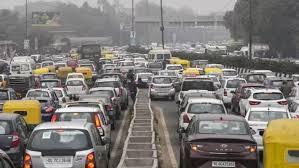
In a major move to curb urban pollution and align with global standards, the Indian government is preparing to roll out the India Stage VII (BS-VII) emission norms. Slated for implementation around 2027, these new regulations will be far more comprehensive than their predecessors. For the first time, the spotlight is shifting toward fuel types that were previously considered “cleaner” alternatives, such as CNGwhile also introducing strict durability standards for Electric Vehicle (EV) batteries.
CNG Vehicles to Face Rigorous Emission Checks
While CNG has long been hailed as a green fuel, the upcoming BS-VII norms will bring natural gas vehicles under much stricter scrutiny. The new rules aim to monitor additional pollutants like ammonia and methane, which were largely ignored in earlier stages. By broadening the scope of regulated gases, the government ensures that “clean” fuels are truly contributing to better air quality. Automakers will now need to invest in more advanced filtration and engine management systems for their CNG lineups.
EV Battery Longevity and Safety Standards
As India pivots toward electrification, the BS-VII framework is set to introduce a “Longevity Index” for EV batteries. This move addresses a major consumer concern: battery degradation. The government plans to mandate minimum endurance requirements, ensuring that EV batteries retain a significant portion of their capacity over several years. This not only builds consumer trust but also reduces environmental waste by extending the usable life of the vehicle’s most expensive component.
Real-Time Monitoring: Moving Beyond the Lab
A revolutionary aspect of BS-VII is the mandatory On-Board Monitoring (OBM) system. Unlike current standards that rely heavily on laboratory tests, OBM will track a vehicle’s emissions in real-time under actual driving conditions. Whether you are stuck in city traffic or cruising on a highway, the vehicle must remain within its emission limits. This shift ensures that the gap between “lab results” and “on-road reality” is finally closed, making emission compliance more transparent and effective.
Non-Exhaust Emissions: Tires and Brakes
In a first for Indian environmental policy, BS-VII may also regulate non-exhaust pollutants. This includes particulate matter released from tire wear and brake dust. As engines become cleaner, these mechanical sources of pollution become a larger percentage of a vehicle’s total environmental footprint. By following the Euro 7 model, India is taking a holistic approach to automotive sustainability, looking beyond the tailpipe to every part of the vehicle that impacts the planet.
Read More: India Gears Up for BS-VII: Stricter Rules for CNG Vehicles and EV Batteries on the Horizon
-
Does captain Nick Wagner die in High Potential season 2 finale?

-
ITV and BBC presenters poached for new sport jobs as John Inverdale role revealed

-
“The Toss….,” Ruturaj Gaikwad Delivers Dhoni-Style Punchline On Leadership Vs Batting Query

-
Uttar Pradesh leads in crop procurement through GeM portal, Gujarat and Maharashtra follow
-
IPL 2026: Rajasthan Royals' strongest predicted XI against Royal Challengers Bengaluru