Related
- Tuesday Motivation by Angela Davis: 'I am no longer accepting the things I cannot change. I am changing the things I...' - Iconic voice for civil rights, social justice, and prison abolition
- Wednesday Motivation by Abraham Lincoln: 'The best thing about the future is that it comes...'
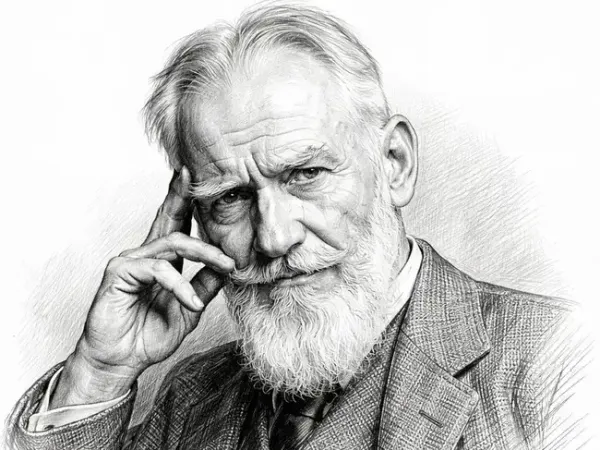
The motivational quote by George Bernard Shaw - "Never wrestle with pigs. You both get dirty and the pig likes it" - delivers a powerful life lesson in a simple, memorable way. It warns against engaging in pointless arguments or conflicts with people who thrive on negativity. The deeper meaning is about protecting your time, energy, and peace of mind. When you argue with someone who enjoys chaos or drama, you don’t gain anything. Instead, you get pulled down to their level, where logic and reason no longer matter. Shaw’s message encourages choosing your battles wisely. Not every disagreement deserves your attention. Sometimes, walking away is the smartest and strongest response. It reminds us that staying calm, focused, and dignified is far more valuable than 'winning' a meaningless fight.
George Bernard Shaw was one of the most influential writers of the modern era, known for his sharp wit, bold ideas, and powerful social commentary. Born in Dublin, Ireland, in 1856, Shaw rose from humble beginnings to become a leading voice in literature and public debate.
Shaw is best remembered for plays like Pygmalion, which later inspired the famous musical My Fair Lady. His works often challenged social norms, tackling issues such as class inequality, education, and women’s rights. Through humor and clever dialogue, he made complex ideas accessible and entertaining for audiences.
A passionate thinker, Shaw was also deeply involved in politics and was a prominent member of the Fabian Society, advocating for social reform and equality. His fearless opinions and willingness to question authority made him both admired and controversial during his lifetime.
In 1925, Shaw was awarded the Nobel Prize in Literature for his outstanding contribution to drama and literature. Interestingly, he declined the monetary prize but accepted the honor, reflecting his unique personality and principles.
Shaw is one of only two individuals in history to have received both a Nobel Prize in Literature and an Academy Award, highlighting his remarkable impact on both literature and drama.
Shaw’s legacy continues to influence writers, thinkers, and audiences around the world. His ability to blend humor with serious themes ensures his work remains relevant even today. Whether on stage or in print, George Bernard Shaw’s voice still challenges people to think differently and question the world around them.
George Bernard Shaw was one of the most influential writers of the modern era, known for his sharp wit, bold ideas, and powerful social commentary. Born in Dublin, Ireland, in 1856, Shaw rose from humble beginnings to become a leading voice in literature and public debate.
Shaw is best remembered for plays like Pygmalion, which later inspired the famous musical My Fair Lady. His works often challenged social norms, tackling issues such as class inequality, education, and women’s rights. Through humor and clever dialogue, he made complex ideas accessible and entertaining for audiences.
A passionate thinker, Shaw was also deeply involved in politics and was a prominent member of the Fabian Society, advocating for social reform and equality. His fearless opinions and willingness to question authority made him both admired and controversial during his lifetime.
In 1925, Shaw was awarded the Nobel Prize in Literature for his outstanding contribution to drama and literature. Interestingly, he declined the monetary prize but accepted the honor, reflecting his unique personality and principles.
Shaw is one of only two individuals in history to have received both a Nobel Prize in Literature and an Academy Award, highlighting his remarkable impact on both literature and drama.
Shaw’s legacy continues to influence writers, thinkers, and audiences around the world. His ability to blend humor with serious themes ensures his work remains relevant even today. Whether on stage or in print, George Bernard Shaw’s voice still challenges people to think differently and question the world around them.