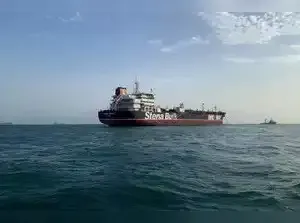
US wants to earn revenue from ships passing through Strait of Hormuz as ceasefire with Iran may break anytime. The United States is planning new negotiations with Iran in Islamabad. The White House confirmed that the US is considering earning revenue from ships using the Strait of Hormuz. This plan comes as tensions continue in the Middle East. Israel has continued strikes in Lebanon. Iran has warned it may withdraw from the ceasefire. Shipping traffic has already been affected by the crisis. The United States is working to reopen the Strait of Hormuz without restrictions. The White House confirmed the plan during a press briefing.
US proposal on Strait of Hormuz revenue
White House Press Secretary Karoline Leavitt said former President Donald Trump floated the idea of the US earning revenue from ships crossing the Strait of Hormuz. She said the proposal will be discussed during negotiations in Islamabad.
She said the first priority is reopening the strait fully. Another priority is the US demand that Iran hand over enriched uranium. These issues are at the top of the negotiation list.
The Strait of Hormuz is one of the most important shipping routes in the world. A large share of global oil passes through the route. Any disruption affects energy markets and global trade.
Delegation heading to Islamabad talks
The United States will send Vice President JD Vance, Jared Kushner, and Steve Witkoff to Pakistan for talks with Iran. The first meeting is scheduled for Saturday morning local time in Islamabad. The White House said the United States looks forward to in-person meetings. Iran has said it will only join negotiations if a ceasefire is reached in Lebanon.
Iran warning to the United States
Iran’s foreign minister said the US must choose between ceasefire or war through Israel. He said both cannot happen together. He said global opinion is watching US actions. Iran warned it may withdraw from the ceasefire agreement if Israel continues attacks in Lebanon. Iran state media said the country may help stop Israeli attacks by force if the US cannot control Israel. Iran also said it is identifying targets to respond to Israeli strikes.
Israel stance on Hezbollah and Lebanon
Israel said the ceasefire with Iran does not include Hezbollah. Israeli Prime Minister Benjamin Netanyahu said Israel will continue attacking Hezbollah targets. Israel carried out strikes on around 100 targets in 10 minutes. The attacks killed at least 254 people and injured more than 1,165 in Lebanon. Netanyahu said Israel remains ready to resume conflict with Iran if required. He also said the ceasefire deal was coordinated with Israel. He rejected claims that Israel was informed late.
Air defence activity and explosions in Iran
Iran media reported air defences activated in Isfahan and Kerman. Explosions were heard in Isfahan. The reports raised fears of escalation during ceasefire talks.
Shipping traffic halted in Strait of Hormuz
Iran state media reported that oil tankers were stopped in the Strait of Hormuz. The halt came after Israeli strikes in Lebanon. Iran said the move was a response to ceasefire violations. The halt of tankers threatens global oil supply. The Strait of Hormuz is a key route for oil exports from the Gulf region.
Ceasefire under pressure
Iran warned it may leave the ceasefire deal if Israel continues bombing Lebanon. Iran said it will only join talks if a Lebanon ceasefire is reached. The White House said Trump’s red lines remain unchanged. The US continues to demand an end to Iranian uranium enrichment.
Global attention on negotiations
The upcoming Islamabad talks are seen as a key moment. The US wants the strait reopened and nuclear concerns addressed. Iran wants Israel attacks stopped. The situation remains uncertain. The ceasefire may break anytime. Shipping security and regional stability remain at risk.
FAQs
Q1. Why does the US want revenue from Strait of Hormuz ships?
The US wants revenue from Strait of Hormuz ships to support maritime security, protect shipping lanes, and fund operations ensuring safe passage as ceasefire tensions with Iran threaten global trade and oil supply.
Q2. Could the US-Iran ceasefire collapse soon?
The US-Iran ceasefire could collapse because Israel continues strikes in Lebanon, Iran threatens withdrawal, and negotiations in Islamabad have not started yet. Shipping disruptions show the ceasefire remains fragile.
US proposal on Strait of Hormuz revenue
White House Press Secretary Karoline Leavitt said former President Donald Trump floated the idea of the US earning revenue from ships crossing the Strait of Hormuz. She said the proposal will be discussed during negotiations in Islamabad.She said the first priority is reopening the strait fully. Another priority is the US demand that Iran hand over enriched uranium. These issues are at the top of the negotiation list.
The Strait of Hormuz is one of the most important shipping routes in the world. A large share of global oil passes through the route. Any disruption affects energy markets and global trade.
Delegation heading to Islamabad talks
The United States will send Vice President JD Vance, Jared Kushner, and Steve Witkoff to Pakistan for talks with Iran. The first meeting is scheduled for Saturday morning local time in Islamabad. The White House said the United States looks forward to in-person meetings. Iran has said it will only join negotiations if a ceasefire is reached in Lebanon.Iran warning to the United States
Iran’s foreign minister said the US must choose between ceasefire or war through Israel. He said both cannot happen together. He said global opinion is watching US actions. Iran warned it may withdraw from the ceasefire agreement if Israel continues attacks in Lebanon. Iran state media said the country may help stop Israeli attacks by force if the US cannot control Israel. Iran also said it is identifying targets to respond to Israeli strikes.Israel stance on Hezbollah and Lebanon
Israel said the ceasefire with Iran does not include Hezbollah. Israeli Prime Minister Benjamin Netanyahu said Israel will continue attacking Hezbollah targets. Israel carried out strikes on around 100 targets in 10 minutes. The attacks killed at least 254 people and injured more than 1,165 in Lebanon. Netanyahu said Israel remains ready to resume conflict with Iran if required. He also said the ceasefire deal was coordinated with Israel. He rejected claims that Israel was informed late.Air defence activity and explosions in Iran
Iran media reported air defences activated in Isfahan and Kerman. Explosions were heard in Isfahan. The reports raised fears of escalation during ceasefire talks.Shipping traffic halted in Strait of Hormuz
Iran state media reported that oil tankers were stopped in the Strait of Hormuz. The halt came after Israeli strikes in Lebanon. Iran said the move was a response to ceasefire violations. The halt of tankers threatens global oil supply. The Strait of Hormuz is a key route for oil exports from the Gulf region.Ceasefire under pressure
Iran warned it may leave the ceasefire deal if Israel continues bombing Lebanon. Iran said it will only join talks if a Lebanon ceasefire is reached. The White House said Trump’s red lines remain unchanged. The US continues to demand an end to Iranian uranium enrichment.Global attention on negotiations
The upcoming Islamabad talks are seen as a key moment. The US wants the strait reopened and nuclear concerns addressed. Iran wants Israel attacks stopped. The situation remains uncertain. The ceasefire may break anytime. Shipping security and regional stability remain at risk.FAQs
Q1. Why does the US want revenue from Strait of Hormuz ships?
The US wants revenue from Strait of Hormuz ships to support maritime security, protect shipping lanes, and fund operations ensuring safe passage as ceasefire tensions with Iran threaten global trade and oil supply.
Q2. Could the US-Iran ceasefire collapse soon?
The US-Iran ceasefire could collapse because Israel continues strikes in Lebanon, Iran threatens withdrawal, and negotiations in Islamabad have not started yet. Shipping disruptions show the ceasefire remains fragile.