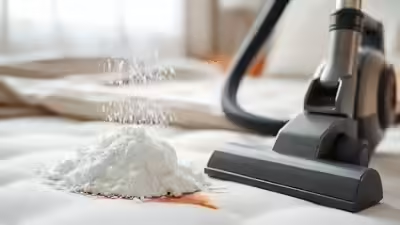
Keeping your mattress clean is essential for maintaining good hygiene and healthy sleep. Over time, mattresses can accumulate dust, odors, stains, and allergens, which often go unnoticed until they become a problem. One of the most commonly used home remedies for cleaning mattresses is baking soda—but how effective is it really?
How Baking Soda Works
Baking soda is widely known for its ability to neutralize odors. It works by absorbing moisture and trapping smell-causing particles. When sprinkled evenly across a mattress and left for at least an hour, it helps reduce unpleasant odors by targeting volatile compounds responsible for bad smells.
This process is based on adsorption, where porous materials capture particles on their surface. Similar scientific principles are used in advanced materials designed to remove pollutants from the air.
The Importance of Proper Application
While using baking soda is simple, proper technique makes a significant difference. A light, even layer should be applied and left undisturbed for sufficient time. Afterward, thorough vacuuming is essential.
Vacuuming doesn’t just remove visible powder—it also helps eliminate allergens, dust mites, and microscopic particles embedded deeper within the mattress. Studies have shown that consistent vacuuming significantly reduces allergen levels over time.
Limitations of Baking Soda Cleaning
Despite its effectiveness in reducing odors, baking soda is not a complete cleaning solution. It mainly works on the surface and does not fully eliminate deep-seated dirt, bacteria, or allergens.
Using excessive amounts can also be counterproductive, leaving residue behind and making cleaning more difficult. Additionally, it does not address tough stains or deeper hygiene concerns.
Why Moisture Control Matters
Moisture plays a crucial role in mattress hygiene. If a mattress is not dried properly after cleaning, it can lead to mold growth and worsen odors. Proper ventilation and drying are essential to maintain a healthy sleeping environment.
Better Alternatives for Deep Cleaning
For stains and deeper cleaning, other methods are more effective:
- Mild soap solution: Helps remove surface stains without leaving residue
- Hydrogen peroxide: Effective for breaking down organic stains like sweat
- Regular vacuuming: Reduces dust and allergens without adding moisture
These methods, combined with baking soda, create a more comprehensive cleaning routine.
Prevention Is the Key
Instead of relying solely on cleaning methods, prevention is more effective:
- Use a mattress cover to protect against dirt and sweat
- Vacuum regularly to control dust buildup
- Ensure proper ventilation to reduce humidity
Conclusion
Baking soda is a useful and affordable solution for freshening up your mattress, but it works best as part of a larger cleaning routine. It helps neutralize odors but cannot replace deep cleaning methods.
For long-term hygiene, consistent care—like regular vacuuming, proper ventilation, and timely stain removal—is far more effective than quick fixes.
A clean mattress doesn’t require complicated methods—just the right habits applied regularly.
-
North Korea tests cluster-bomb missiles

-
West Bengal polls: PM to boost BJP campaign with three rallies

-
MP: Row erupts after Congress councillor refuses to sing Vande Mataram

-
Bengal SIR: NIA files 12 FIRs over gherao of judicial officers in Malda

-
School Assembly News Headlines Today April 9, Top National, International, Sports, Business News