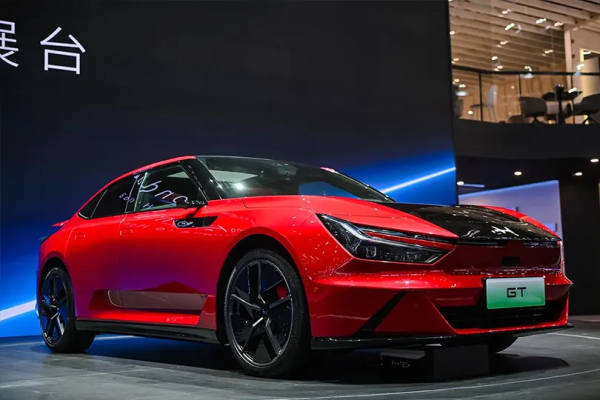
Honda is confronting one of the toughest moments in its modern history. A combination of canceled electric vehicle projects, collapsing sales in China, and intensifying competition from Chinese automakers has forced the Japanese giant into a strategic rethink.
The warning signs are no longer subtle. Honda is not just adjusting its EV roadmap. It is now questioning how to stay relevant in a rapidly changing automotive landscape.
EV Setbacks Deepen Honda’s Challenges
Honda recently pulled the plug on multiple electric vehicle projects, including the 0 SUV and 0 Sedan. The decision also impacted the planned revival of the Acura RSX, signaling a broader rethink of the company’s electrification strategy.
The financial impact is significant. Honda expects to book losses of up to $15.8 billion to these decisions. Adding to the setback, the two Afeela electric vehicles being developed in partnership with Sony are also reportedly canceled.
These developments highlight a growing concern across traditional automakers: building profitable electric vehicles remains difficult, especially as Chinese manufacturers push prices lower and development cycles faster.
But for Honda, the problem goes beyond EVs.
China Sales Collapse Raises Alarm
China was once a stronghold for Honda. In 2020, the company sold 1.62 million vehicles in the country. By 2025, that number had dropped sharply to just 640,000 units. Projections for 2026 suggest output could fall below 600,000 vehicles.
This drop has left Honda’s factories operating at roughly half capacity. In the automotive industry, profitability typically requires 70 to 80 percent utilization. Falling below that threshold creates mounting financial pressure.
During a recent visit to Shanghai, Honda CEO Toshihiro Mibe saw firsthand how quickly Chinese suppliers and automakers are developing new vehicles. His reaction was blunt: “We have no chance against this.”
Chinese automakers are now launching new vehicles in roughly two years, far faster than the traditional development timelines of global brands.
Honda Moves to Speed Up Development
Despite the stark assessment, Honda is not backing down. After returning from China, Mibe urged suppliers to accelerate development timelines.
Honda is now restoring its independent R&D division. Thousands of engineers will move to a newly formed engineering subsidiary designed to operate with greater autonomy. The move marks a shift away from the centralized decision-making model used over the past six years.
The goal is simple: move faster, innovate quicker, and reduce development costs.
Whether this restructuring will be enough remains uncertain.
Industry-Wide Concern Over China’s Rise
Honda is not alone in sounding the alarm. Ford CEO Jim Farley recently warned that Chinese manufacturing capacity could potentially serve the entire North American market. Meanwhile, Toyota leadership has also expressed concern about long-term survival if current trends continue.
Chinese automakers are already expanding globally. In Europe, brands like BYD and SAIC are steadily gaining market share, while traditional players like Honda struggle to keep pace.
A Defining Moment for Legacy Automakers
China’s rapid development speed, aggressive pricing, and expanding global presence are reshaping the automotive industry. For legacy automakers like Honda, adapting is no longer optional.
The next few years may determine whether traditional brands can reinvent themselves or risk falling behind in a market moving faster than ever.
-
House Divided Between Two States Causes Family Distress

-
Camel Tears May Hold the Key to Snake Venom Treatment

-
Former US Army Veteran Charged with Leaking Classified Information

-
'I'm a kitchen expert and 1 forgotten item in UK homes gets incredibly dirty and greasy'

-
Tragic Death of Cheerleader on Florida Cruise Raises Alarming Questions