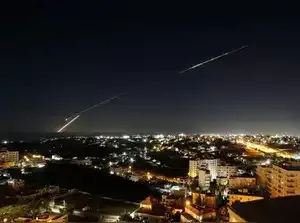
Israel and the United Arab Emirates both sounded missile alerts early Wednesday, despite Iran and the United States saying they had reached a two-week ceasefire in the war.
It wasn't immediately clear what was being targeted in the two countries, which bore the brunt of the missile and drone fire during the war.
You may follow our live coverage of the West Asia war here
Missile alerts also continued in Saudi Arabia, Bahrain and Kuwait early Wednesday, hinting at the chaos surrounding the diplomatic moves.
Throughout the war, Iran's paramilitary Revolutionary Guard has called the shots in all decisions. Individual commanders have made decisions on what to strike and when, with the nation's political leadership sidelined.
Whether they agreed to stop shooting with the declared ceasefire and negotiations being planned in Islamabad remained in question.
Also read: Intelligence report warned of Iran's 'persistent threat' to US as White House downplayed the risk
However, many Mideast wars see combatants launch last-minute attacks to be able to claim victory with their populations.
It wasn't immediately clear what was being targeted in the two countries, which bore the brunt of the missile and drone fire during the war.
You may follow our live coverage of the West Asia war here
Missile alerts also continued in Saudi Arabia, Bahrain and Kuwait early Wednesday, hinting at the chaos surrounding the diplomatic moves.
Throughout the war, Iran's paramilitary Revolutionary Guard has called the shots in all decisions. Individual commanders have made decisions on what to strike and when, with the nation's political leadership sidelined.
Whether they agreed to stop shooting with the declared ceasefire and negotiations being planned in Islamabad remained in question.
Also read: Intelligence report warned of Iran's 'persistent threat' to US as White House downplayed the risk
However, many Mideast wars see combatants launch last-minute attacks to be able to claim victory with their populations.