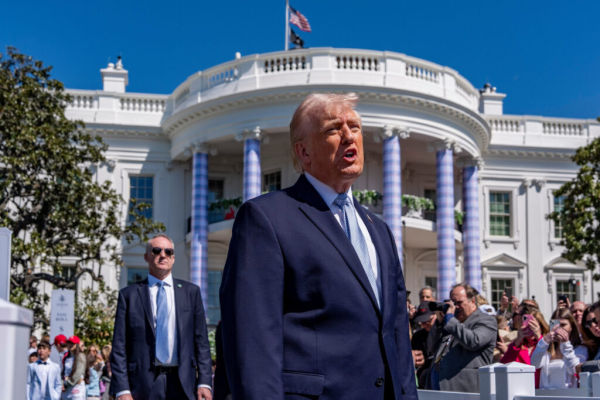
Trump Pauses Iran Strike Threats, Agrees on Two-Week Ceasefire/ TezzBuzz/ WASHINGTON/ J. Mansour/ Morning Edition/ Trump delayed expanded strikes against Iran for two weeks. The pause depends on Iran reopening the Strait of Hormuz. Diplomatic negotiations intensified as tensions remained high.
- Trump offers two-week ceasefire
- Iran must reopen Strait of Hormuz
- Attacks on infrastructure paused temporarily
- Trump previously threatened civilian targets
- Diplomatic talks continue through mediators
- Airstrikes still hit military targets
- Iran warns of retaliation
- Global oil supply at risk
- International leaders warn of war crimes
- Casualties continue across region
TEHRAN — President Donald Trump said Tuesday he would pause threats to expand attacks on Iranian infrastructure if Tehran agrees to a two-week ceasefire and reopens the Strait of Hormuz, offering a potential diplomatic off-ramp after escalating tensions.
The move followed Trump’s earlier warning that “a whole civilization will die tonight” if Iran did not meet U.S. demands — a threat that drew international condemnation and raised fears of a broader regional conflict.
Trump says Iran has proposed a ‘workable’ 10-point peace plan that could help end war
The president added in his social media post that Iran has presented “a workable basis on which to negotiate.”
Diplomatic Pressure Builds
As the deadline approached, indirect negotiations between the United States and Iran continued. Pakistan’s Prime Minister Shehbaz Sharif urged Trump to extend the deadline by two weeks to allow diplomacy to progress.
Sharif also encouraged Iran to reopen the Strait of Hormuz during that period, a critical waterway through which roughly one-fifth of the world’s oil supply normally flows.
The White House confirmed Trump had been informed of the proposal before announcing the two-week pause.
White House insists that Trump stands with innocent civilians in Iran
That’s according to a statement by spokeswoman Anna Kelly in response to criticism the president’s comments have received.
Airstrikes Continue Despite Diplomacy
Even as diplomatic discussions intensified, airstrikes continued across Iran. Attacks reportedly hit two bridges and a train station, while U.S. forces targeted military infrastructure on Kharg Island — a key Iranian oil hub.
Israeli Prime Minister Benjamin Netanyahu said Israeli warplanes also struck bridges and railways used by Iranian forces to transport weapons.
Iran responded by launching strikes toward Israel and Saudi Arabia, prompting the temporary closure of a major bridge and raising fears of further escalation.
Iran Mobilizes Civilians
Iranian officials urged citizens to form human chains around potential targetsincluding power plants and bridges, in an effort to deter strikes.
Videos posted by Iranian media showed crowds gathering near infrastructure sites, though it remained unclear how widespread the effort was.
Iran’s president also said millions of citizens had volunteered to defend the country, underscoring the growing tension within Iran.
International Criticism Grows
Trump’s threats to target civilian infrastructure drew criticism from global leaders.
Pope Leo XIV described the threats as “truly unacceptable” and warned such actions could violate international law.
French Foreign Minister Jean-Noël Barrot also warned that targeting civilian infrastructure could constitute war crimes.
A spokesperson for U.N. Secretary-General António Guterres said the United Nations was “deeply troubled” by the threats and emphasized that civilian infrastructure should not be targeted.
Trump dismissed concerns about war crimes, saying he was not worried about legal consequences.
Rising Civilian Fears
In Tehran, residents expressed growing fear about potential attacks.
A teacher speaking anonymously told The Associated Press that destruction of power and water infrastructure could create chaos and humanitarian crises.
Many residents reported stockpiling supplies, while others fled major cities amid escalating tensions.
Regional Casualties Continue
The conflict has already caused significant casualties across the region:
- More than 1,900 killed in Iran
- Over 1,500 killed in Lebanon
- More than 1 million displaced in Lebanon
- 23 reported dead in Israel
- 13 U.S. service members killed
The ongoing conflict has also disrupted global oil markets and raised fears of prolonged instability.
High-Stakes Diplomacy
Trump’s two-week pause offers a potential window for diplomacy, but uncertainty remains.
Iran previously rejected a 45-day ceasefire proposal, demanding a permanent end to hostilities.
With both sides maintaining military operations and rhetoric escalating, the next two weeks could determine whether the conflict de-escalates or intensifies.
More on US News
-
Brilliant innings by Rajasthan batsmen, MI’s defeat became a topic of discussion

-
DC vs GT: Gujarat won brilliantly in a thrilling match, defeated Delhi by 1 run.

-
Assam election saw industrial-scale AI disinformation campaign: Report

-
‘Igniting a Billion Lamps’ Book Launch: ‘Igniting a Billion Lamps’ book launched at India Habitat Centre, focuses on character building and value based education

-
Yesterday Mahadan in Assam, Kerala and Puducherry, Mamata filed nomination in Bengal, political temperature high: – ..