|
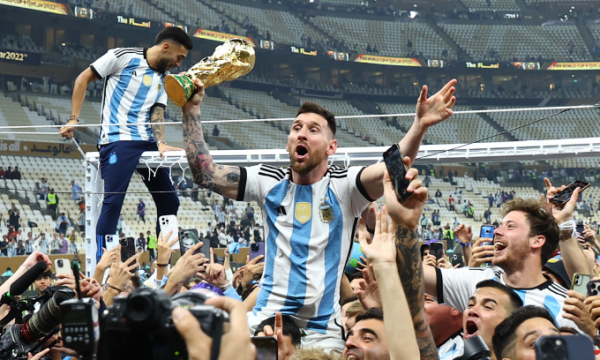
Lionel Messi holds the trophy after Argentina defeated France in the 2022 World Cup final. Photo by Reuters |
This marks a massive increase compared to the 2022 World Cup in Qatar, where the most expensive final tickets were capped at $1,600, according to The Guardian.
The highest tier of ticket prices for the final this year has increased nearly seven times.
During the previous sales period following the group stage draw in December 2025, the highest final ticket price was already $8,680.
After all 48 participating teams were officially confirmed, FIFA reopened its ticketing portal with new pricing tiers.
The highest ticket price is for the most premium seats for the final match at MetLife Stadium.
Second-class tickets are now priced at $7,380, up from $5,575, while third-class tickets for the final have jumped from $4,185 to $5,785.
As of April 1, FIFA had opened ticket sales for the final and 17 of the 72 group stage matches.
FIFA is applying a dynamic pricing mechanism for this tournament, which is co-hosted by the U.S., Mexico, and Canada. However, the world football governing body has not announced specific details regarding which matches and ticket categories are available in this new round, forcing fans to manually search the website, often resulting in hours-long queues just to access the portal.
FIFA clarified that not all remaining tickets will be released simultaneously, with inventory instead being released in batches.
This also marks the first time buyers can select specific seat locations rather than just booking a general category.
Each football federation will be allocated a limited number of $60 tickets, approximately 400 to 700 per match, reserved specifically for their most loyal supporters.
The introduction of dynamic pricing sparks controversy among fans and politicians alike.
Last month, 69 U.S. Democratic senators sent a formal letter to FIFA president Gianni Infantino expressing concerns over the ticketing strategy, arguing that dynamic pricing goes directly against FIFA’s core mission of promoting global football accessibility and inclusion.
Furthermore, FIFA operates its own official secondary ticket market, collecting a 15% fee from both the buyer and the seller on every single transaction.
European fans have also voiced concerns regarding escalating ticket resale costs, recently filing a formal complaint with the European Commission.
Infantino defended FIFA’s resale fees by arguing the organization operates legally under U.S. commercial law, contrasting with strict European regulations on ticket resale for profit.
The 2026 World Cup runs from June 11 to July 19 across 16 host cities in North America. It will be the first edition to feature an expanded 48-team format.
-
Samay Raina Releases ‘Still Alive’ Trailer, Marks Comeback A Year After Controversy-Watch

-
'Here For Sanjeev Goenka': Bhumi Pednekar Supports LSG While Ishan Kishan's Girlfriend Aditi Hundia Marks Presence At Hyderabad Stadium

-
SRH VS LSG: Heinrich Klaasen, Nitish Reddy Slam Fifties In Century Stand After Top Order Collapse

-
'₹20 Water Bottle For ₹100?' Cricket Fans Condemn High Stadium Prices For Essentials At Lucknow's Ekana Stadium During IPL 2026 Match

-
MP News: Raisen’s Real-Life Kabir Khan Invests ₹10 Lakh, Leads Underprivileged DRFC Girls To Historic IWL Entry