
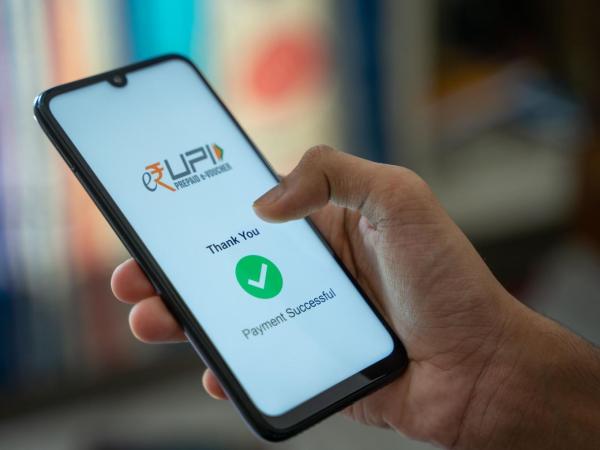
With digital payments on the rise in the country, bankers have reportedly sent a proposal to the Centre for the reintroduction of merchant discount rate (MDR) on transactions made through UPI and RuPay debit cards.
MDR is a fee that a bank charges merchants for processing payments in real time. At present, lenders provide these services to merchants free of cost, resulting in huge revenue loss.
Lenders have put forth a formal proposal to the Union government to bring back MDR on UPI payments for large merchants whose annual GST turnover exceeds INR 40 Lakh, ET reported, citing sources.
Based on the proposal, the Centre may also introduce a tier-based pricing mechanism, where charges would vary based on the size of the merchant, with larger traders paying a higher fee and smaller merchants paying a lower amount, the report said.
Merchants whose annual turnover is below INR 40 Lakh will remain exempt from UPI transaction fees even if MDR is brought back.
It must be noted that merchants paid MDR (less than 1% of the transaction) on card payments in the past, but the government waived it to encourage digital adoption.
Now, with UPI becoming the dominant and preferred mode for retail payments in India and RuPay gaining traction, banks suggest that large merchants, who already pay MDR on other card networks such as Visa and Mastercard debit cards, should also pay for UPI and RuPay transactions.
It is pertinent to note that there have been repeated demands from industry players to bring back MDR.
Vishwas Patel, chairman of the Payments Council of India, stated in February that the government’s zero-charge policy for all merchants uses taxpayer funds to subsidise large businesses that can afford transaction processing fees. The council represents major fintech companies.
Last year, Amazon Pay India CEO Vikas Bansal also for UPI transactions. Bansal then said that MDR for UPI payments is essential for smaller players to “receive a fair share for the value they add to the payment ecosystem”.
While the Centre provides subsidies to banks and fintechs for processing the payments without MDR, industry insiders claim these funds are inadequate to cover the infrastructure costs necessary for handling the volume of transactions.
Moreover, the government slashed the subsidy allocation to INR 437 Cr for FY26 in this year’s budget.
The number of UPI transactions z from 11,768 Cr in 2023. The surge came on the back of increasing popularity of fintech apps like PhonePe, Paytm, Google Pay, CRED, among others, that have made UPI payments convenient.
According to the Payments System Report 2024 by the Reserve Bank of India (RBI), out of 20,787 Cr digital payments recorded during the year, were routed through UPI.
In February 2025, UPI transactions in India stood at over 16 Bn and the value touched INR 22 Lakh Cr mark.
The post appeared first on .
-
Mike Dean’s ‘secret games’ have made life even tougher for Premier League referees

-
Bayern weighing a ‘retirement contract’ for Harry Kane as Munich stay looks set to continue

-
Karnataka sees sugar mill boom amid rising ethanol demand

-
Saharanpur mosque demolished after court rejects plea

-
Mirzapur The Movie review: A paisa-vasool return to bhaukaal