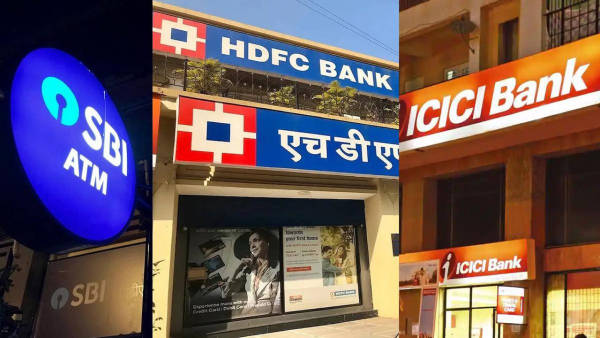
Along with the budget 2025 to be presented by Finance Minister Nirmala Sitharaman on 1 February, many significant changes are going to happen in the country's banking system. The Reserve Bank of India (RBI) and major banks have announced new rules to promote digital banking and prevent financial fraud. These changes will not only affect the conditions of your bank account, but will also bring changes in everyday transactions. Let us understand in detail which rules will be amended from February 1 and what they matter to you.
ATM will increase the charge on cash withdrawal
From February, the facility of cash extract from ATM machines is going to be expensive. According to the new guidelines of RBI, now customers will be able to withdraw money from their bank's ATM only three times a month. After this, each transaction will charge a fee of ₹ 25, which was earlier ₹ 20. At the same time, ₹ 30 per transaction fee will have to be paid for using another bank's ATM. Apart from this, a limit of withdrawal limit has been fixed at a maximum of ₹ 50,000 in a day. This step has been taken to encourage digital transactions and prevent cash misuse.
Interest rate will increase on savings accounts
Major banks like State Bank of India (SBI), Punjab National Bank (PNB), and Canara Bank have announced an increase in interest rate on savings accounts. From February 1, normal customers will get 3.5% interest instead of 3%, while for senior citizens this rate will be 0.5% additional. This decision has been taken aimed at promoting savings in banks and benefiting small investors. However, along with this, banks have warned that if the minimum balance is not kept in the account, then a fine will be imposed.
Minimum balance limit will increase
From February, the requirement of minimum balance (MAB) in bank accounts will also be increased. SBI customers will now have to keep a minimum amount of ₹ 5,000 in the account instead of ₹ 3,000. PNB has increased this limit from ₹ 1,000 to ₹ 3,500 and Canara Bank has increased from ₹ 1,000 to ₹ 2,500. If a customer does not meet this limit, he will be fined a monthly fine ranging from ₹ 500 to ₹ 1,000. This step has been taken to cover the operational costs of banks and reduce non-resolution accounts.
New restrictions on ATM transactions
Kotak Mahindra Bank has made changes in the rules to ATM transactions for its customers. Now customers will have to pay additional fees for specific types of transactions. For example, separate fees have been fixed for facilities such as depositing checks through ATM or facilities such as balance inquiry. Apart from this, some banks have also announced a discount in ATM fee for premium account holders. This policy is part of the strategy of attracting customers with high-quality value by banks.
Extension of digital banking facilities
Along with the new year, banks have decided to make digital services more secure and user-friendly. New features will be added to mobile banking apps from February, such as biometric OTP, real-time fraud alert, and AI-based expense analysis. In addition, the rate of cashback on digital payment will be increased to 5%. The UPI is also considered to increase the transaction limit of up to ₹ 5 lakh to ₹ 10 lakh.
Impact on general public
These changes have brought double challenge and opportunities for the common people. On the one hand, facilities such as increase in interest rates and cashback on digital transactions will benefit small investors. At the same time, an increase in ATM fee and minimum balance can increase economic pressure on middle class families. Experts suggest that customers can avoid the fee by adopting digital banking and use options like recurring deposit to meet the minimum balance.
Banks strategy and future
Banks believe that these changes will strengthen the financial system long term. Promoting digital transactions will reduce the cost of cash management and improve cyber security. However, some critics argue that an increase in ATM charges can cause problems for rural and senior citizens, which are still dependent on cash transactions.
Final advice: How to prepare?
Amidst these changes, customers are advised to contact their bank's website or branch and get complete information about the new rules. To avoid ATM fees, use direct payment from debit card or use UPI. To meet the minimum balance, make a monthly budget and avoid unnecessary expenses. These changes are steps taken to make the Indian banking sector more transparent and efficient. However, their real impact will depend on how fast the general public adopts digital facilities and how effectively banks apply these policies. One thing is clear – from February 2025, “old ways” in the banking world will now be left behind!
-
Alignment Of Education With Employment: The Biggest Challenge Of Today

-
Mirzapur The Movie Box Office Collection Day 4 Prediction: Pankaj Tripathi, Ali Fazal, Divyenndu Starrer All Set To Cross ₹100 Crore Mark
-
Rooney and Carrick praise Manchester United pair as transfer call is revealed to have aided Rashford

-
Can Germany’s Extreme Right-Wing Form A Government In in Saxony-Anhalt After Record Win?

-
24,986 candidates to appear for special TGTET Exam 2026