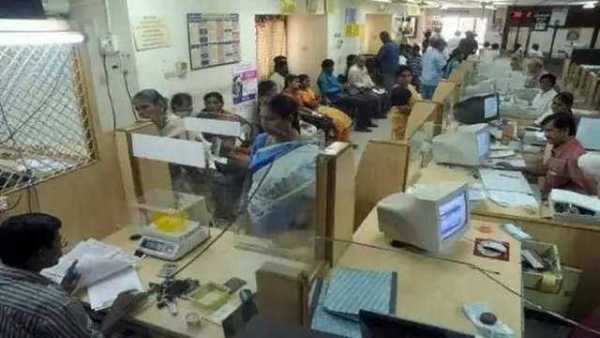
What happens to your money if a bank shuts down? While banks are generally considered safe places for deposits, there are instances when a bank may cease operations. In such cases, depositors often worry about retrieving their funds. Here's a guide to help you understand the process of claiming your money under the DICGC Act.
What Happens When a Bank Closes?When a bank shuts down due to financial difficulties or regulatory actions by the Reserve Bank of India (RBI), depositors' funds are not immediately lost. Instead, the process of returning deposits is governed by the Deposit Insurance and Credit Guarantee Corporation (DICGC) Act.
Deposit Insurance Coverage: What You Need to KnowUnder the DICGC Act, deposits in banks are insured up to ₹5 lakh per depositor per bank. This includes both the principal and accrued interest. If your total deposits in a bank exceed ₹5 lakh, the amount above this limit may only be recovered through the bank’s liquidation process.
Key Features of Deposit Insurance:Once the bank’s closure is announced, the first step is to visit your branch. Bank officials can guide you through the claim process and provide a list of required documents.
2. Gather Necessary DocumentsPrepare the following documents for the claim process:
- Proof of identity (Aadhaar, PAN, or voter ID).
- Account details (passbook or account statements).
- Claim forms provided by the bank or DICGC.
Under Section 16(1) of the DICGC Act, 1961, the deposit insurance system ensures depositors receive their insured amount. The steps include:
- Submission of a claim by the bank to DICGC on behalf of depositors.
- Verification of claims by DICGC.
- Direct transfer of insured amounts to depositors.
If your deposits exceed ₹5 lakh, the surplus amount must be claimed through the bank’s liquidation process. This involves:
- Filing a claim with the liquidator appointed for the bank.
- Waiting for the liquidation proceeds to be distributed.
The DICGC, a subsidiary of the RBI, ensures the safety of depositors' money up to ₹5 lakh. It covers all commercial banks, regional rural banks, and cooperative banks in India. However, amounts above ₹5 lakh are not insured and depend on the bank’s financial recovery during liquidation.
ConclusionWhile the closure of a bank can be unsettling, the DICGC Act provides depositors with a safety net. By following the outlined steps and staying informed, you can claim your insured amount without hassle. For larger deposits, participation in the liquidation process is essential to recover the remaining funds.
If you have deposits in a bank facing closure, act promptly to initiate your claim and secure your hard-earned money.
-
Home Safety Signs: How to Identify Vulnerable Buildings
-
Justin, Hailey Bieber once again spark fallout rumors

-
OpenAI says it cracked 90-year-old maths problem in 88 hours

-
Wind Turbines Are Becoming Safer For Birds: Here’s How

-
Abba! Aar Kay Daya Maya hi or no? 64 balls and 173 runs, Naman Dhir literally washed away