Did you know your cash deposits and withdrawals in savings accounts have strict rules under the Income Tax Department? Ignoring these can lead to penalties or unwanted scrutiny. Here's what you need to be aware of to stay on the safe side.
Key Points About Cash Deposit and Withdrawal Rules:
-
Deposit Limits in Savings Accounts:
The Income Tax Department monitors large cash deposits to prevent illegal activities like tax evasion and money laundering.- Depositing ₹10 lakh or more in a financial year requires reporting to the IT Department.
- For current accounts, the limit is ₹50 lakh.
While no immediate tax applies, financial institutions must notify authorities about such transactions.
-
TDS on Withdrawals (Section 194A):
- Withdrawing over ₹1 crore in a financial year attracts a 2% TDS deduction.
- If you haven’t filed an Income Tax Return (ITR) for the last three years, TDS applies to withdrawals above ₹20 lakh at 2%. For withdrawals over ₹1 crore, the TDS rate increases to 5%.
- TDS under Section 194N isn’t considered income but can be claimed as credit when filing ITR.
-
Penalty Under Section 269ST:
Depositing ₹2 lakh or more in cash during a single financial year can result in penalties under Section 269ST. However, this does not apply to withdrawals, though withdrawal limits have their own TDS implications.
Why These Rules Matter:
These regulations are designed to enhance financial transparency and curb tax evasion. Staying informed ensures you avoid penalties and simplifies your financial dealings.
Are your transactions within the prescribed limits? Knowing the rules can save you both time and trouble!
-
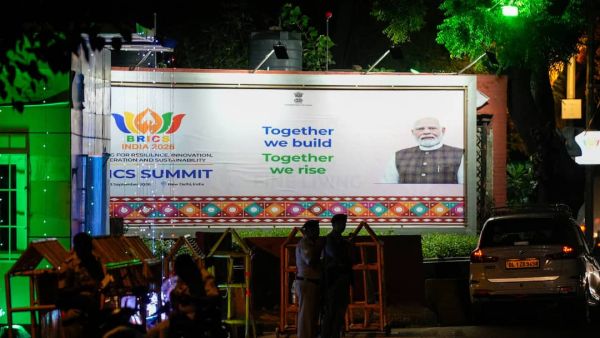
BRICS Summit 2026: What’s Open, What’s Shut In Delhi On September 11?
-
Mayhem at Stamford Bridge! Cole Palmer sparks remarkable Chelsea fightback as Leeds crumble in a nine-goal Carabao Cup thriller

-
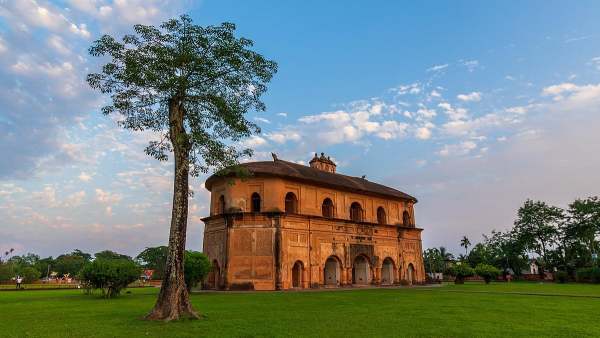
Assam’s Rangpur Sivasagar Ensemble Nominated For UNESCO World Heritage Status; Know About The Historic Ahom Capital
-
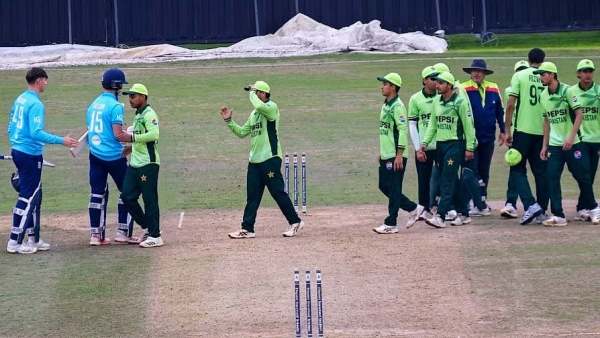
Pakistan U-19 Cricket Team Reportedly Mistaken For Asylum Seekers As Anti-Immigration Protesters Gather Outside Hotel In Portsmouth
-
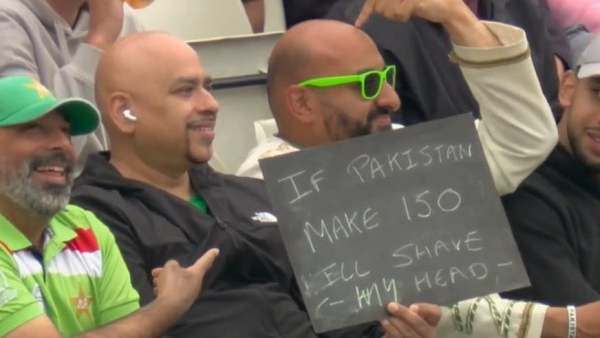
'If Pakistan Makes 150, I'll Shave My Head': Fan's Hilarious Poster Backfires As PAK Gets Bowled Out For 133 Runs Against England