
Prince Rahim Aga Khan V, the 50th hereditary Imam of the Shia Imami Ismaili Muslims, met Prime Minister Narendra Modi and President Droupadi Murmu in New Delhi on Thursday, September 10, during his first visit to India since succeeding his father, Aga Khan IV, as Imam in February 2025.
In a post on X, Modi said the two discussed ways to further strengthen India’s partnership with the Aga Khan Development Network (AKDN) in healthcare, agriculture, rural development, youth and women’s empowerment. He also recalled the late Aga Khan IV and his contributions to development efforts.
Murmu received Prince Rahim at Rashtrapati Bhavan. The President’s office said she appreciated the work undertaken by the AKDN and its partnership with the government to improve people’s quality of life.
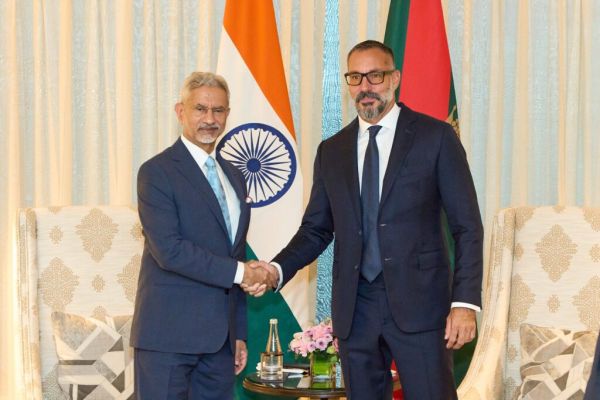
Prince Rahim also met Vice-President C P Radhakrishnan, Home Minister Amit Shah and External Affairs Minister S Jaishankar in New Delhi on Thursday.
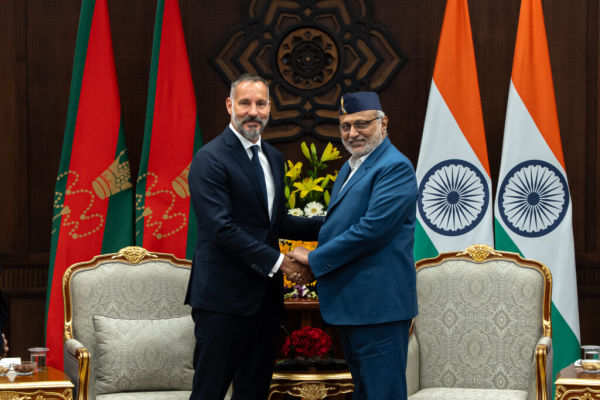
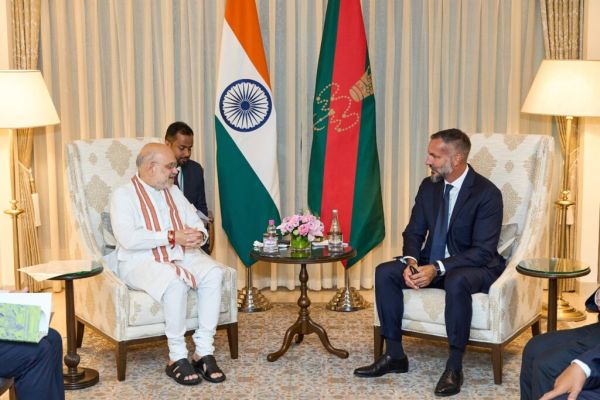
Prince Rahim’s first India visit as 50th Imam
Prince Rahim began his journey to India on Wednesday, September 9, and is scheduled to remain in the country until September 15. His itinerary covers New Delhi, Gujarat, Maharashtra and Telangana, where he is expected to meet members of the Ismaili Jamat.
The visit is his first to India since he became the 50th hereditary Imam following the death of Prince Shah Karim al-Hussaini, known as Aga Khan IV.
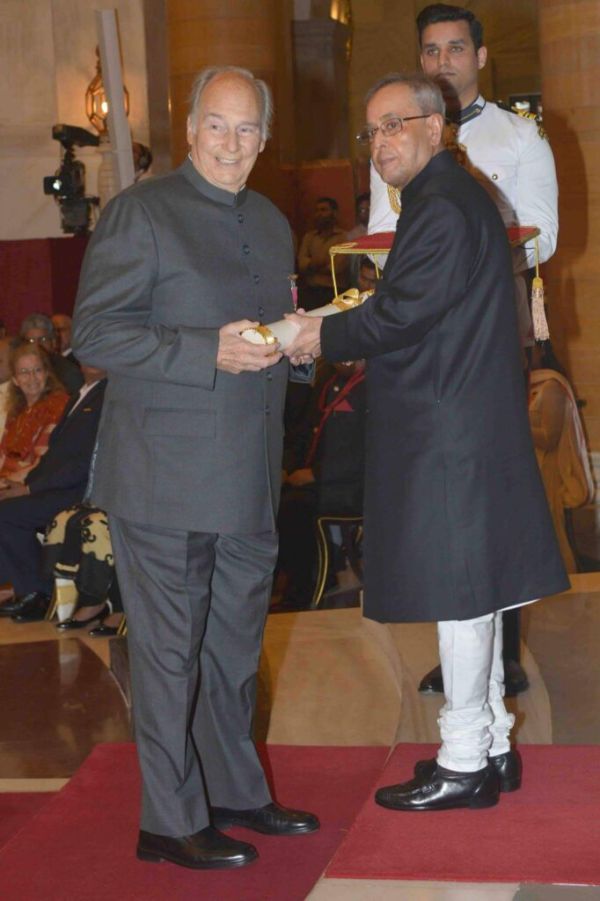
Aga Khan IV received the Padma Vibhushan in 2015, India’s second-highest civilian honour, for his contribution to social development.
The Ismaili Imamat has had ties with India for more than a century. The AKDN has been involved in the country in areas including education, healthcare, rural development, economic inclusion and heritage conservation.
The first Aga Khan School in India was established in Mundra, Gujarat, in 1905. Aga Khan Schools and the Aga Khan Academy Hyderabad currently educate more than 8,500 students in India.
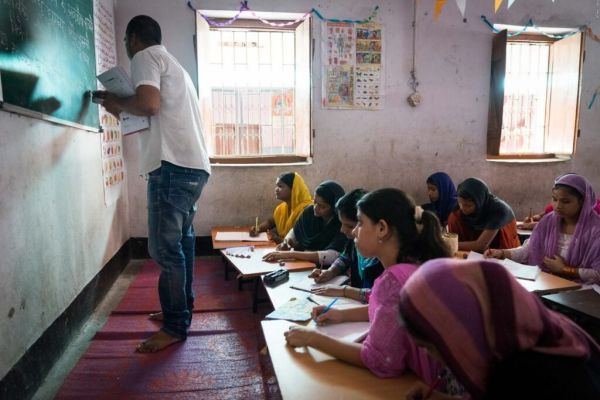
The AKDN’s education programmes have included initiatives involving girls’ education, early childhood development and economic opportunities for women in rural communities.
In Delhi, the Aga Khan Trust for Culture (AKTC) has worked with the Archaeological Survey of India and other Indian institutions on the restoration of Humayun’s Tomb.
The work was later extended to the surrounding Nizamuddin area through an urban renewal project covering heritage conservation, healthcare, education, skills training and livelihood initiatives.
Sunder Nursery, a 90-acre city park and arboretum, is also part of the wider project.
According to the AKTC, the Humayun’s Tomb-Sunder Nursery-Nizamuddin Basti precinct attracts nearly three million visitors a year. More than 60 monuments have been conserved across the Nizamuddin Basti project area.
The project has also included programmes for women, young people and children, along with healthcare services for local residents.
Aga Khan network’s Hyderabad heritage work
The Aga Khan Trust for Culture has also worked on heritage conservation in Hyderabad, one of the destinations on Prince Rahim’s current India tour.
At the Qutb Shahi Heritage Park, the organisation has worked with Indian institutions on the conservation of nine major monuments, with support from Tata Trusts.
The AKDN’s work in India also includes rural development through the Aga Khan Rural Support Programme, with programmes involving agriculture, water management and rural livelihoods.
Hirbaiben Ibrahim Lobi, a Siddi community leader associated with the programme, received the Padma Shri in 2023 for her work with the Siddi community and women in Saurashtra.
The network has also supported civic initiatives through Ismaili CIVIC, including blood donation drives, health camps, clean-up activities and other public-service programmes. During the COVID-19 pandemic, volunteers supported healthcare facilities and distributed drinking water.
-
Pakistan Debutant Creates History With Joe Root Wicket, Joins List Ft. Sachin Tendulkar

-
EC Recognises Vijay’s TVK, Allots ‘Whistle’ Symbol In Tamil Nadu, Puducherry
-
Telangana Assembly: Rs 1Cr insurance cover for govt employees

-
BRS remains arrogant even after losing elections: Revanth Reddy
-
BRS files breach of privilege notice against Telangana CM
