Mahindra is working on two very different ways of electrifying its SUVs beyond conventional battery EVs. A full-hybrid powertrain is being developed for the XUV 7XO, while a range-extender system using a petrol engine as a generator is in development for the XEV 9e. Neither project has a confirmed launch date, price or final production specification yet.
Mahindra is putting development resources into a full-hybrid version of the XUV 7XO. A strong or full hybrid differs from the mild-hybrid systems commonly used simply to assist an engine. It can use an electric motor to propel the vehicle under suitable conditions, with the petrol engine, motor and battery working together automatically.
The source does not reveal the XUV 7XO hybrid’s engine capacity, electric-motor output, battery size, fuel-economy target or whether it will use a series, parallel or series-parallel layout.
It would therefore be premature to attach specifications or a launch timeline to it.
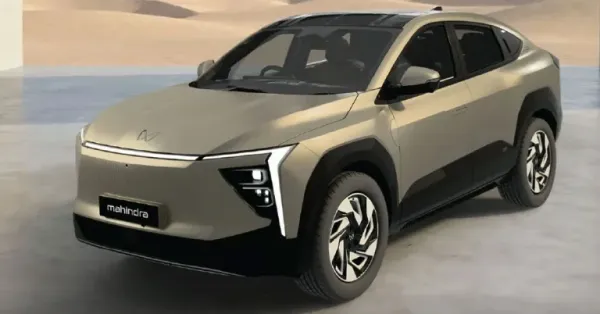
The XEV 9e project takes a different approach. Mahindra is working on a range extender in which a petrol engine would act as a generator for the electric drivetrain.
In a range-extended EV, the wheels are primarily driven by electric motors. When battery energy falls, an onboard combustion engine can generate electricity, extending the distance the vehicle can travel without stopping for an external recharge.
This is different from a conventional hybrid where the engine can directly help drive the wheels.
The current XEV 9e is a pure EV based on Mahindra’s INGLO architecture. It is offered with 59kWh and 79kWh battery packs, rear-wheel drive and a claimed MIDC range of up to 656km depending on the version.
Mahindra has not disclosed how a range-extender would be integrated into INGLO, what size petrol engine it would use, or how much battery capacity a production model would retain.
The two projects solve different problems. A strong-hybrid XUV 7XO could reduce fuel consumption without asking the owner to change refuelling habits. There is no requirement to install a home charger, and long trips remain dependent on petrol stations rather than charging infrastructure.
A range-extended XEV 9e would remain much closer to an EV in the way it drives. The petrol generator would provide a backup source of electricity when the battery runs low.
That could address range and charging anxiety while retaining electric-motor performance.
But a range extender also adds an engine, fuel system and exhaust equipment to a vehicle that already carries a battery and electric drivetrain. Weight, packaging, cost and efficiency therefore become critical. Mahindra will need a clear advantage over simply fitting a larger battery.
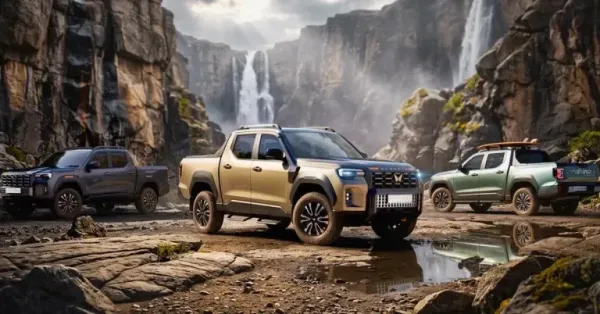
Interestingly, Mahindra is not applying the same electrification plan across every vehicle.
A hybrid version of its upcoming Lifestyler pickup has been indefinitely delayed, and a pure-electric version has been ruled out for now. The pickup is expected to launch with Mahindra’s 2.2-litre turbo-diesel, while a 2.0-litre turbo-petrol is intended for selected overseas markets.
Mahindra’s ladder-frame vehicles such as the Lifestyler and Scorpio use fundamentally different architecture from the XUV 7XO and INGLO-based electric SUVs.
That helps explain why the company can move ahead with an XUV 7XO hybrid and XEV 9e range extender without committing to the same systems for its pickup.
Petrol and diesel remain central to the XUV range, while the BE 6, XEV 9e and XEV 9S establish the company’s pure-EV line-up. Strong hybrids and range extenders could eventually fill the space between them.
For now, both remain development programmes. Until Mahindra confirms production, pricing and specifications, the XUV 7XO strong hybrid and XEV 9e range extender should be treated as future powertrain projects rather than imminent launches.
-
Hardik Pandya To Make Comeback On This Date, BCCI Shares Big Update

-
Iran’s Nuclear Site Sees Construction Surge Days After Trump Strike Threat, Satellite Images Show
-
Mac Allister strikes winner as Liverpool beat Atletico Madrid, Barcola suffers injury

-
Andoni Iraola explains Bradley Barcola substitution after injury scare in Liverpool win
-
Harshit Rana Set To Miss India vs Afghanistan T20I Series, Doubtful For Asian Games 2026; Here's Why