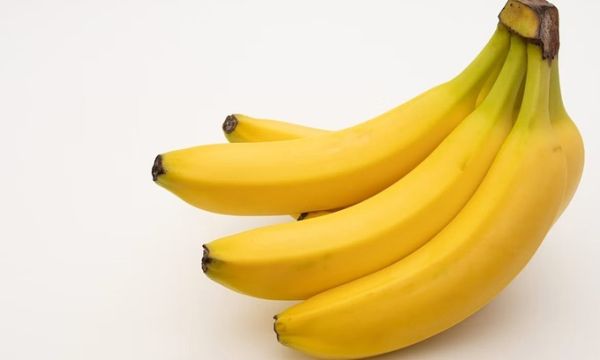
Bananas naturally become softer and darker as they ripen, so a brown or even black peel does not always mean the fruit has spoiled. However, when discoloration is accompanied by mold, leaking liquid, an unpleasant smell or black flesh inside, it is usually time to throw the banana away.
|
Bananas naturally become softer and darker as they ripen. Photo from Unsplash |
A banana that has turned completely brown, become extremely soft or squishy, started leaking fluid or developed a rotten or fermented odor may be past the point of being safe to eat, according to EatingWell.
Here are three warning signs to look for.
Visible mold
Darkening of the peel is a normal part of ripening, but fuzzy white, gray or green growth is not. Visible mold is a clear indication that the banana has spoiled and should be discarded or composted.
Rotten smell or leaking liquid
Smell is another useful clue. An overripe banana may develop a strong fermented or alcohol-like odor, while spoiled fruit can smell rotten or even garbage-like.
Bananas that begin seeping liquid are also likely deteriorating and should generally be thrown away.
Black flesh inside
While banana peels often turn brown or black as the fruit ripens, the flesh inside should normally remain cream-colored to light brown.
If the flesh itself has turned black, particularly when accompanied by an unpleasant smell or mushy texture, the banana is likely spoiled and should not be eaten.
However, blackening caused by refrigeration is different. Bananas are sensitive to cold temperatures, so storing them in the refrigerator or freezer can quickly turn the peel dark or black even when the fruit inside remains safe to eat.
“Generally, as long as it is not visibly moldy, it is safe,” Simply Recipes quoted James E. Rogers, director of food safety research and testing at Consumer Reports, as saying.
For bananas that have become extremely dark and mushy but are otherwise free of mold or spoilage, Rogers recommended using them in cooked dishes rather than eating them raw or adding them directly to smoothies or frozen desserts.
-
Sesko Set To Spearhead Attack | 4-2-3-1 Predicted Manchester United Line-up Vs Sabah

-
No need for a juicer-blender, get nutritious fruit juice with these 5 kitchen tools
-
Delighted to join Adani Group as a partner in the next growth journey of India's aviation sector: Premji Invest

-
Indian Men blunts South Korean challenge – Tezzbuzz

-
Tilak Verma's dream broken at 99, 1 run away from century; All out on South Zone 336