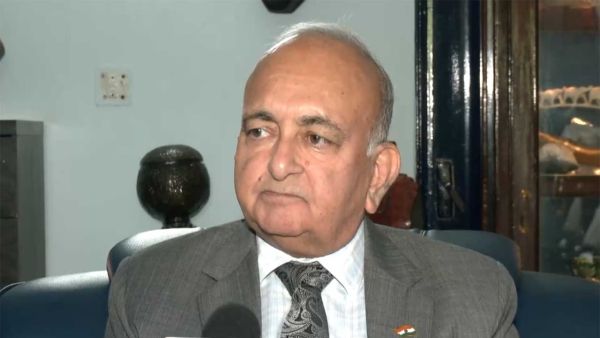
Former diplomats highlight the BRICS Summit's significance as it turns 20. They see India as a diplomatic bridge to the West but warn of Chinese dominance. Experts urge focusing on an economic agenda over political disputes for the group's success.
New Delhi [India], September 9 (ANI): As India prepares to host the BRICS Summit in New Delhi from September 12-13, former senior diplomats have highlighted the event's historic significance, outlining both the geopolitical hurdles and strategic opportunities facing the expanded 10-member group.
India's Role Amid Geopolitical Hurdles
Speaking with ANI, former senior diplomat Mahesh Sachdev emphasised that reaching two decades of existence marks a turning point for the grouping, while highlighting India's unique position as a diplomatic bridge between BRICS and Western nations. "Historically, BRICS was founded as BRIC in 2006, and it completes 20 years this year. For two decades, its progress has been mixed, and one would hope that reaching adulthood, 21 years of age, would push this body into doing something more substantive and more productive," Sachdev stated.
"A very important part of the BRICS Summit would be with India as a bridge between BRICS and the Western countries," he said.
Warning Against a New Hegemon
Sachdev further warned that efforts to reform the global order must not result in replacing one dominant global power with another, particularly regarding global trade and financial systems. "In any case, a world tired of the United States’ attempt to reimpose its hegemony on the world, and wishing for multipolarity, is not going to replace the United States with China. China accounts for two-thirds of the combined GDP of BRICS at the moment, and much of the financial innovations currently being made have a Chinese footprint. That creates a sort of danger that we are going to replace one hegemon with another hegemon," Sachdev explained.
"If we de-dollarize, but then put the Yuan in the same position, then the essential architecture remains driven by a single country's interest," he added.
Highlighting India's unique position as a diplomatic bridge between BRICS and Western nations amidst escalating warfare in West Asia and Russia-Ukraine, Sachdev said, "Within the conference, it’s likely to have its own impact. Russia would like to have its own stand vis-à-vis the Ukraine war supported. Iran would like to have its contestation over the Strait of Hormuz in particular and the war with the United States and Israel supported."
Steering the Summit Toward Economic Growth
Furthermore, addressing the challenge of building consensus among diverse member nations, former senior diplomat Surendra Kumar argued that India should steer the summit toward practical economic growth, technology sharing, and development rather than getting bogged down in insoluble political conflicts. "India is trying to move it towards a more economic agenda, more cooperation, more sharing of technology, and things which really matter to people, rather than getting bogged down in political issues," Kumar noted.
"On political issues, there cannot be unity... I think India’s emphasis on resilience, innovation, sustainability, and cooperation is a very logical path forward, and there can be substantial cooperation in these fields."
Leveraging Economic Scale for Practical Success
Kumar also pointed to the massive economic scale of the grouping alongside its internal political divisions, urging members to focus on concrete steps like Digital Public Infrastructure (DPI) to drive practical success. "Now take the biggest strength of BRICS: as you know, it has nearly half the world's population, 40% of trade, 26% of trade and 40% of GDP on a PPP basis—if you look at it, it’s bigger than the G7. But the fact remains, it is an organization that has a lot of divisions," Kumar added.
"India is offering Digital Public Infrastructure—we have signed MoUs with 20 countries, with UPI operating in 12 of them. There is a lot we can do: expand trade, expand financial cooperation, strengthen MSMEs, and support the WTO. There are many practical areas India can nudge this group toward to achieve real success," he noted.
He further argued that while political unity is difficult when member nations are directly embroiled in or affected by active conflict, India must maintain its moral clarity while pushing for a practical economic agenda. "We also are at a time when the world is divided: Ukraine versus Russia, so much disruption of supply chains, and all kinds of crises which we have. India is trying to move it towards a more economic agenda—more cooperation, more sharing of technology, and things which really matter to people, rather than getting bogged down in political issues. On political issues, there cannot be unity," Kumar stated. (ANI)
(Except for the headline, this story has not been edited by Asianet Newsable English staff and is published from a syndicated feed.)-
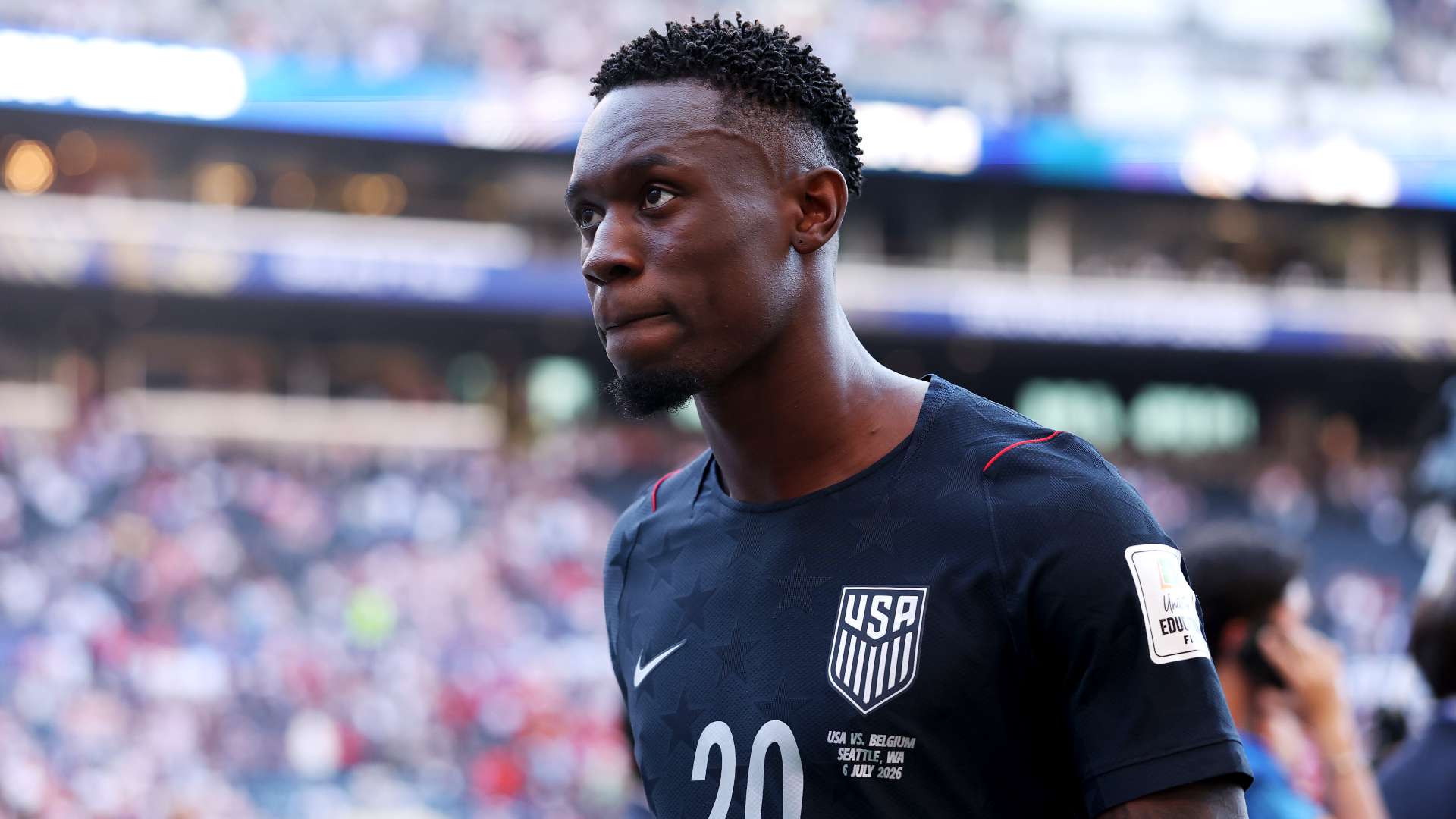
Mauricio Pochettino opens up on Folarin Balogun's collapsed Everton move as USMNT boss plans support talks
-
How to keep rats away from bins

-
Why not see moon on Ganesh Chaturthi night?
-
Indian woman made side business of applying mehendi in America, you will be surprised to know her earnings in one day

-
Gut Inflammation: 'These' changes are seen in the body after the intestines are injured, changes in the color of the stool can lead to serious illness.