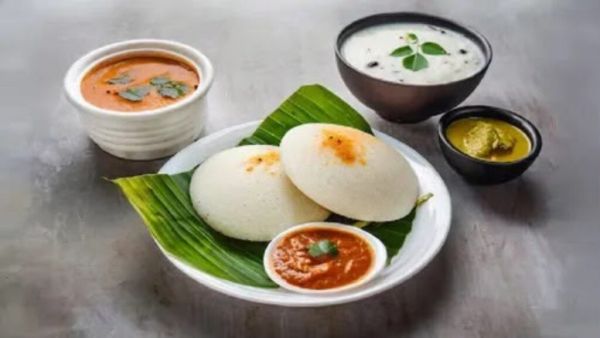
Lifestyle Desk – Breakfast is not just a means of filling the stomach, but is also an important meal that provides energy and essential nutrients to the body at the beginning of the day. What we eat for breakfast can affect our appetite, energy and eating habits throughout the day. The special thing is that Indian breakfast includes many traditional dishes which are prepared through the process of fermentation. Idli, dosa and dhokla are popular examples. Fermented foods are also considered beneficial for gut health. Let us know the benefits of its consumption.
What is fermented food?
Fermentation is a natural process in which bacteria, yeast, or other microorganisms convert the carbohydrates in foods. This process changes the taste, texture and some nutritional properties of the food. Many Indian food items like curd, idli, dosa and dhokla are prepared through this process.

Some of the compounds and living microorganisms formed during fermentation may be useful for the intestinal microbiome, or gut bacteria. However, not every fermented food has the same amount of probiotic bacteria, and the cooking process can also affect these microorganisms.
Why are Idli and Dosa popular?
The batter for idli and dosa is prepared by fermenting a mixture of rice and urad dal. Fermentation changes the texture and flavor of the batter and can make some nutrients more readily available to the body. Being a urad dal, it also contains protein.
However, just eating idli or dosa does not suddenly speed up your metabolism. It is more important to make these a part of a balanced breakfast. The amount of protein and fiber in the diet can be increased by having sambar and vegetables with idli or sambar made of pulses and vegetables with dosa.
Dhokla is also fermented food
Gujarat's popular Dhokla is also prepared through fermentation. Dhokla made from gram flour can be a source of protein and its light texture makes it popular for breakfast. If green chutney and vegetables are included with it, breakfast can be made more balanced.
Be a little careful about curd-jalebi
Yogurt itself is a fermented food and some of the live bacteria in it may be useful for the intestines. But it would not be right to consider dahi-jalebi as a completely healthy breakfast. Jalebi contains high amounts of sugar and refined carbohydrates. So it is better to limit dahi-jalebi to occasional consumption, especially if you are trying to control blood sugar or weight.
What are the benefits of fermented foods?
Including different types of fermented foods in the diet increases the variety of food. Some fermented foods may help improve digestion and affect the gut microbiome. In some cases, fermentation also produces compounds that may be useful for the body.
But it is not right to look at fermented foods as some “metabolism booster”. Metabolism is affected by many factors such as sleep, physical activity, muscle mass, age, hormones and overall diet.
Therefore, fermented foods like idli, dosa, dhokla or curd can definitely be included in breakfast, but along with them, it is important to make protein, fiber, fruits and vegetables and adequate water also a part of the diet.
-
After Janmashtami, make special kadhi on Kanha ji's Chhathi, note down the easy recipe.
-
Case of advertisement related to child sexual exploitation on Instagram, Meta India chief summoned

-
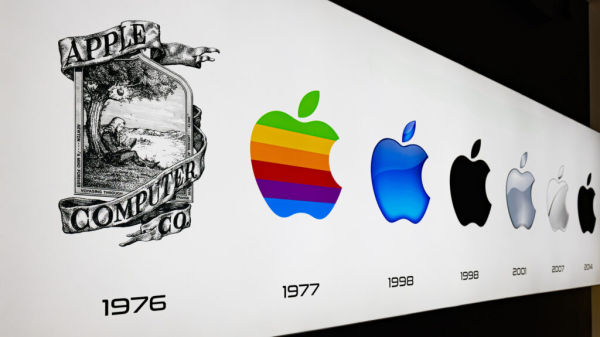
The Apple Logo Looks Completely Different Today Than When The Company Began
-
MediaTek Says It Will Share Something New On September 15

-
Leave the laptop, do computer work from the phone only! Know the easy way