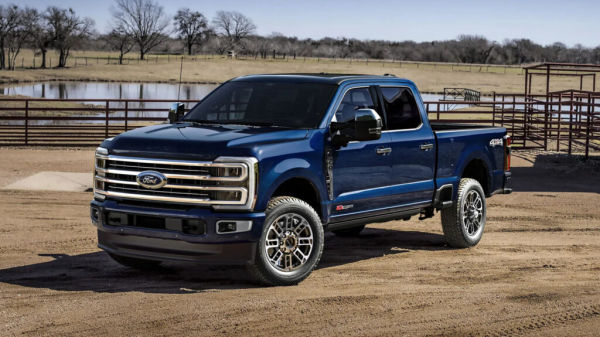
Shopping for a car can be a daunting challenge at the best of times, and having a bunch of different fuel types doesn’t help. Do you get a car that takes regular gas, premium, flex fuel, E85, a hybrid, and so on? Then you have diesel, a fuel type normally associated with commercial vehicles, full-size pickup trucks, and strange European cars. What’s the deal with those?
If you’re just buying a car with no consideration to how it works, not much changes if you end up with a diesel, apart from which nozzle you use at the gas station — diesel is the green one, by the way. For the most part, a modern diesel car will behave just like any other car in traffic, albeit with a lower tachometer and a deeper, droning sound to it. But let’s say you’re shopping for something specific — why would you want to buy or avoid a diesel car?
While their function may be the same, diesel engines function very differently from gasoline engines, and therefore have different strengths and weaknesses. A diesel operates on compression alone rather than spark — basically you’re compressing the fuel so much that it spontaneously ignites. Diesel fuel is actually very stable, meaning it takes a lot of energy to ignite it. So you get a piston with a long, heavy stroke, which is great for torque, but lacks high-end RPM, hence why so many trucks use diesels. However, that comes at the cost of factors like emissions, specialized parts, and expensive fuel costs, at least in the States. Let’s explore more.
Pros of diesel engines
A diesel engine’s operating principle means that the engine itself is somewhat simpler and more robust than an equivalent gasoline-powered variant. For one, diesels don’t have spark plugs, but rather glow plugs acting kind of like the heating element in an induction stove. The engine blocks themselves are also more resilient, with diesel engines typically lasting far longer than gasoline engines — sometimes 30 years or more. Their low RPM and high torque load requirements make for a vastly understressed design, which is why so many classic Power Strokes are still around today.
High torque also means the engine can accept high loads, hence why they’re so good for towing. This is because of the relationship between torque and horsepower — put simply, horsepower is how fast the wheels can spin, but torque is how easily they spin. To put it another way, picture riding a bike. A low gear means you’re able to get going easier because the bigger gear acts like a torque multiplier. The higher gear means you go faster, but you have less leverage to get up to speed, so your legs struggle. The same principle applies to your engine.
Lastly, there’s the matter of fuel efficiency, which diesel engines in particular excel with. Diesel fuel is more energy-dense than gasoline, meaning you don’t need as much of it to produce the same amount of power. Combined with lower RPMs — less times fuel gets injected into the cylinder — makes for a far more efficient design. Then you add in multifuel diesels; in short, these engines are truly exceptionally flexible.
Cons of diesel engines
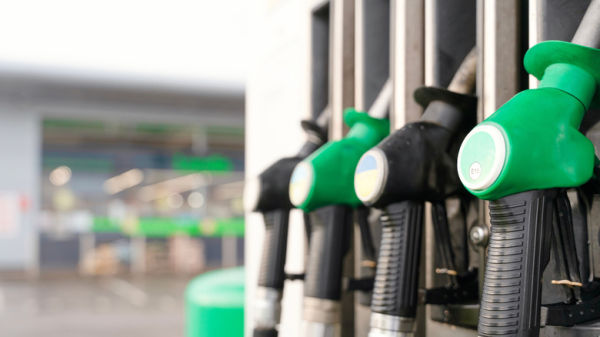
Unfortunately, for every upside, diesel engines have at least one downside. To start with, diesel fuel produces a ton of emissions, enough that governments all over the world mandate specialized parts on the exhaust to keep the soot from polluting the air, mainly all the harmful greenhouse gases like nitrogen oxide emissions.
Moreover, that means that diesel engines have bonus maintenance costs tacked onto the already generally more expensive sticker price — stuff like diesel exhaust fluid (DEF), DPF canisters, EGR valves, and so on, which all need periodic servicing. That service life shortens if you don’t consider diesel regen – the diesel particulate filter gets clogged up if you take a lot of short trips without the engine running at operating temperature for long, and has to regenerate. All of this compounds with fuel costs as well, meaning driving diesels can be a double-edged sword on your wallet.
Then there’s the operation of a diesel engine. Diesels are generally noisier and more rumbly than gasoline engines; all the moving parts are going slower and travel longer distances, so you notice those vibrations more. Older diesel engines also have the problem of cleanliness. Without modern emissions equipment, diesels spew smelly black soot at high loads, which was such a problem, the U.S. government enacted policies to improve emissions across the board — hence the DPF, DEF, etc. These changes weren’t kind to every diesel, either. The most infamous creature from the Diesel Emissions Reduction Act lagoon was the 6.0 Power Stroke, nicknamed ‘Six Point Blow’ because it’s so bad.