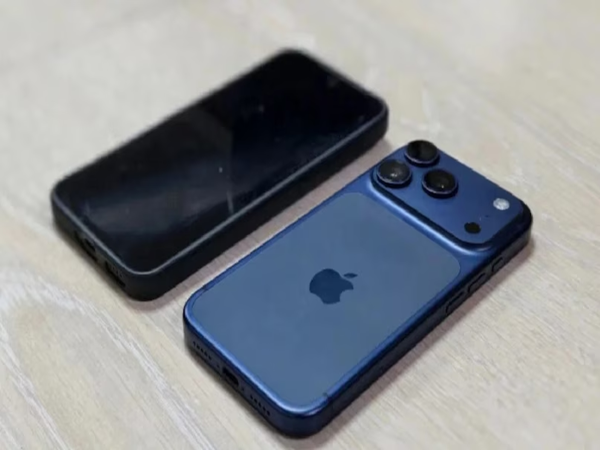
Whether working in the office, sitting with friends at a café, or eating at home, we often absentmindedly place our phones on the table. Many people leave the screen facing up, while others have a habit of placing it face down. With the screen facing up, frequent WhatsApp messages or notifications cause the display to light up, which can distract us. Additionally, people nearby might catch a glimpse of your private chats or notifications.
However, there is more to placing a smartphone face down than just habit. In some cases, this practice helps maintain privacy, avoids unwanted notifications, and allows for better use of certain phone features. There are also technical features involved that make this practice interesting to understand.
When the screen faces up, it repeatedly turns on and off due to promotional messages, social media updates, or group chat notifications. When we are focused on a task, the sudden flare of light from the screen can distract both our eyes and our minds. This disrupts concentration and constantly draws our attention toward the phone.
If you are in an office meeting or among friends and receive a bank transaction OTP, a private message from home, or an important call, the names and messages popping up on the screen can easily be read by those around you. This can instantly expose your confidential information and personal privacy.
Modern smartphones—especially iPhones—feature a protruding camera module (camera bump) to enhance photography. When you place the phone face up, its entire weight rests on that raised camera glass. Sliding or shifting the phone across a table can cause fine scratches on the camera lens, potentially causing permanent blurriness in the camera of an expensive phone. iPhones and many premium smartphones come with a special built-in feature called ‘Facedown Detection.’
As soon as you place the phone on a table with the screen facing down, the device's ambient light and proximity sensors instantly detect this position. Consequently, the screen does not light up when a message or notification arrives. Preventing the screen from turning on unnecessarily hundreds of times a day can significantly conserve battery life.
Placing the phone face-down keeps the delicate camera lenses facing upwards and away from direct contact with the table, thereby reducing the risk of scratches. Additionally, the screen does not keep flashing in your line of sight, allowing you to stay fully focused on work or studies while maintaining mental peace.
To protect the display when placing the phone face-down, it is advisable to use a high-quality tempered glass screen protector. You should also use a back cover with raised edges that extend slightly beyond the screen level; this ensures that the screen does not come into direct contact with the table surface when the phone is placed face-down, keeping it largely protected.
Disclaimer: This content has been sourced and edited from News18 Hindi. While we have made modifications for clarity and presentation, the original content belongs to its respective authors and website. We do not claim ownership of the content.
-
CBSE Opens CTET 2026 Correction Window; Application Edits Allowed Until September 10

-
Paying cash instead of using FASTag could land you in trouble; a multi-crore scam is unfolding at toll plazas.

-
Paid Internship Opportunity at NHPC: ₹11,000 Monthly Stipend

-
Why does the electricity bill suddenly spike during the rainy season? Here are 5 reasons.
-
MBA Admission 2026: Dates Announced for 5 Major Entrance Exams Including CAT