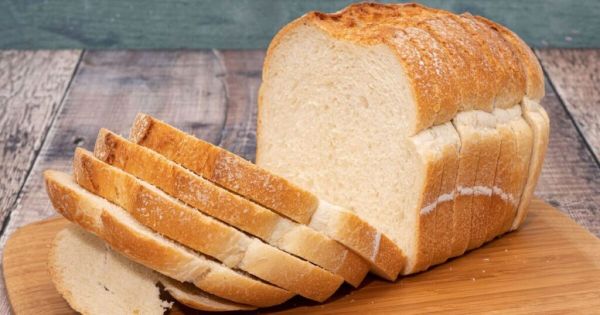
Bread is a daily staple in millions of homes, but its short shelf life can be incredibly frustrating. It is all too common to find a once-soft loaf turning stale or growing mould after just a few days, leading to unnecessary food waste.
Fortunately, keeping your bread soft and fresh for longer comes down to a few simple, everyday storage habits. According to the famous British breadmaker Hovis, one of the biggest mistakes people make is storing their bread in the fridge.
While it may seem that a cold fridge would preserve the loaf, the opposite is actually true. Hovis explains that bread goes stale much faster in the fridge due to a scientific process called “retrogradation”.
When bread cools, its starch molecules crystallise. This draws moisture out of the bread, leaving the texture dry and crumbly. Although refrigeration slows down mould, it quickly ruins the bread’s soft texture.
So, where should you store your loaf instead? Hovis recommends one item in particular – a bread bin. Just remember to clean out any crumbs weekly so your bread stays fresher for longer.
Hovis explains: “A classic choice for a reason. Bread Bins provide a cool, dry environment with just the right amount of air circulation to prevent excess moisture and mould growth. Stay on top of crumbs, though. We advise cleaning out your bread bin weekly so bread stays fresher for longer.”
Additionally, it is best to keep shop-bought bread in its original plastic packaging. Hovis says. The bag is designed to lock in moisture, so use the plastic clip or a simple kitchen peg to seal it shut after opening.
Hovis says bread bins provide a cool, dry environment (stock image) (Image: Getty)
Hovis says: “Most store-bought bread comes in plastic with bread ties designed to retain moisture and freshness. If the original bag is torn, use an airtight container or resealable plastic bag. All our loaves come with a resealable bread tie but in a pinch, a peg works just fine.”
Hovis recommends keeping your bagged bread at room temperature. Also, stored in a cupboard or on a worktop away from direct sunlight, damp areas, or heat sources like the toaster.
If you cannot finish a whole loaf quickly, the freezer is your best option. Hovis advises freezing half the loaf to keep it fresh, taking out individual slices as you need them.
Get cleaning tips straight to your phone Join us on WhatsApp
Our community members are treated to special offers, promotions, and adverts from us and our partners. You can check out at any time. Read our Privacy Policy
Wrap it tightly in foil or a freezer-safe bag to prevent freezer burn. You can thaw slices at room temperature or toast them directly from frozen. You can even make a sandwich with frozen slices in the morning; it will thaw by lunchtime, keeping your lunch fresh and ready to eat.
If you do spot any mould on your bread, discard the entire loaf. Cutting away the mouldy part is not safe, as mould roots penetrate much deeper into the bread than is visible to the naked eye.
Hovis says: “Visible spots of mould mean it’s time to discard the bread. Don’t try to scrape it off, as mould roots can penetrate deeper into the loaf. While stale bread isn’t unsafe to eat, it’s best repurposed for breadcrumbs, croutons, or bread pudding.”
-
Ex-Tottenham Hotspur keeper Guglielmo Vicario breaks silence on dressing-room problems after Roberto De Zerbi remarks

-
Taurus Horoscope Today, September 8, 2026: Desired results will be achieved, health will remain good

-
Virgo Tarot Horoscope Today, September 8, 2026: Will Share Pleasant News, Will Take Advantage of Desired Environment

-
Love Horoscope Today for Tuesday, September 8, 2026: Scorpio Signs Will Receive Auspicious News, Know the Status of Other Signs

-
Aries Horoscope Today, September 8, 2026: Do Not Speak in Haste, Various Matters Will Be in Favour