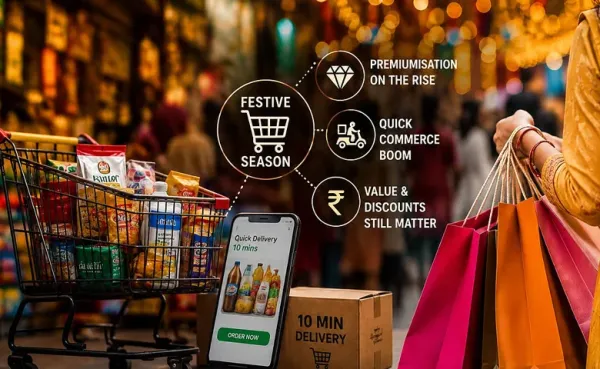
Quick Commerce Revolution: As the upcoming festive season begins in India, the entire online shopping landscape is changing rapidly. Quick-commerce platforms that deliver in just 10 minutes have posed a major challenge to the country’s leading e-commerce companies this year. Now these platforms are not limited to just vegetables or groceries, but are also delivering items like pooja materials, clothes, smartphones, beauty kits and electronics to customers within minutes. While traditional e-commerce companies take two to three days, quick-commerce is creating new history by meeting the immediate needs of customers.
Speedy delivery and cost-effective side effects on customers’ budgets
According to Devendra Meel, Zepto’s CBO, special stock-keeping units (SKUs) have been prepared for festivals. According to Counterpoint Research, consumers are now turning to faster services, but rising prices are affecting buyers’ decisions. According to research analyst Shubham Nimkar, sales will be good in terms of financials this season, but sales volumes will not see a big jump. As the prices of memory chips have gone up, smartphones have become expensive, so consumers are opting to wait for big discounts and sales to buy.
Big difference in shopping habits between metros and smaller cities
There is a clear difference between big and small cities in terms of consumer choice. According to Achinta Setia, CEO, Snapdeal, Kwik-commerce primarily caters to the immediate needs of metro cities, while customers in smaller cities make informed purchases by comparing price and quality. More than 80% of Snapdeal’s sales come from small towns. Similarly, 73% of the total orders received on the Meesho platform during the Raksha Bandhan festival celebrated in August were from non-metro cities.
Artificial Intelligence (AI) dominates holiday shopping
Artificial Intelligence (AI) is being widely used to make festive shopping easier this year. According to Snapdeal’s report, 76% of its orders are influenced by AI technology in some way. The company’s “Snap & Shop” tool helps customers find products just by snapping a photo. On the other hand, Meesho Company is using a special AI-based discovery system to curate products based on local trends and customer preferences, thereby saving customers time and providing the right option.
New opportunities in the field of employment
There is a happy atmosphere in the employment sector of the country due to this boom in online shopping. To meet the growing demand, Amazon India has created over 1.6 lakh seasonal jobs through its Quick Commerce network. Meesho is also expected to generate over 10 lakh indirect seasonal jobs, including 6.5 lakh vendors and 3.75 lakh logistics workers. However, according to Vikas Sharma, COO of Zepto, they are preferring permanent and trained workforce instead of temporary employees.
By 2030, the Indian e-commerce market will reach $345 billion
According to a report by Infosum Research Consultancy, India’s e-commerce market was $125 billion in 2024, which is expected to grow at a compound annual growth rate (CAGR) of 18.4% to reach $345 billion by 2030. By 2030, e-commerce will account for 10-12% of the country’s total retail spending and the number of online shoppers will increase to 420-440 million. In coming days, quick commerce and AI technology will completely change the picture of Indian retail market.