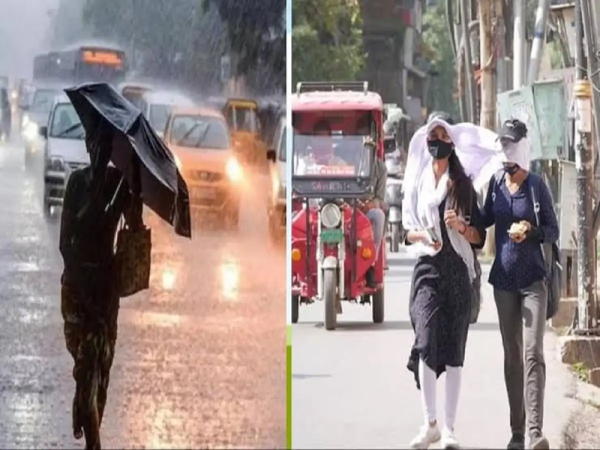
Monsoon activity is expected to remain intense across large parts of India on September 7, 2026, with the weather forecast indicating heavy rainfall, thunderstorms, lightning and gusty winds in several regions. After days of persistent showers in parts of the country, another spell of unsettled weather could affect northern, western, central, eastern and southern India.
The forecast indicates that some areas could experience intense spells of rain accompanied by thunderstorms. Strong winds may also create a risk of damage to trees, temporary structures and standing crops.
People living in vulnerable areas, particularly those prone to waterlogging, lightning or landslides, should remain cautious and follow local weather and administration advisories.
Heavy Rain and Thunderstorm Risk Across Several States
Rainfall activity is expected across a broad geographical area. States and Union Territories mentioned in the weather outlook include Uttar Pradesh, Delhi, Bihar, Haryana, Rajasthan, Uttarakhand, Himachal Pradesh, Punjab, Jammu and Kashmir, Jharkhand, Madhya Pradesh, Chhattisgarh, West Bengal, Odisha, Andhra Pradesh, Telangana, Karnataka, Tamil Nadu, Kerala, Gujarat, Maharashtra, Assam, Tripura and Meghalaya.
Conditions may vary considerably from one location to another. While some places could receive moderate rainfall, isolated areas may experience heavier spells along with thunder and gusty winds.
Lightning is another concern during active thunderstorms. Residents should avoid open fields and refrain from sheltering beneath isolated or large trees during lightning activity. Staying away from electricity poles and other potentially hazardous structures is also advisable during severe weather.
Moisture From Bay of Bengal Could Intensify Rainfall
The latest spell of unsettled weather is linked to active monsoon conditions and the movement of moisture-laden winds from the Bay of Bengal.
An increased supply of moisture can support the formation of rain-bearing clouds over eastern and central parts of India, potentially producing widespread showers and isolated heavy rainfall.
Thunderstorms may also develop in some regions, while isolated hail cannot be ruled out in areas where atmospheric conditions become favourable.
The impact of rainfall will depend not only on its intensity but also on how long it continues. Persistent rain can lead to waterlogging in cities, overflowing local drains and difficult driving conditions. In rural areas, heavy showers and strong winds can affect standing crops.
Delhi Weather: Rain and Gusty Winds Expected
Delhi could witness a combination of moderate rainfall, cloudy conditions and thunderstorms on September 7.
Wind speeds may reach around 30 to 40 kmph during periods of unstable weather.
The national capital is expected to record a maximum temperature of around 34°C, while the minimum could remain close to 26°C.
Delhi weather forecast for September 7:
- Maximum temperature: Around 34°C
- Minimum temperature: Around 26°C
- Weather: Rain and possible thunderstorms
- Wind speed: Around 30–40 kmph
Rainfall could slow traffic movement, particularly in locations that experience waterlogging. Motorists should maintain a safe distance between vehicles and reduce speed when visibility deteriorates.
Uttar Pradesh Weather: Rain Alert for Several Districts
Several districts of Uttar Pradesh may experience rainfall, thunderstorms and strong winds during the latest monsoon spell.
Areas mentioned in the forecast include Gautam Buddha Nagar, Moradabad, Ghaziabad, Meerut, Pilibhit, Bahraich, Sitapur, Siddharthnagar, Lakhimpur Kheri, Balrampur, Saharanpur, Sonbhadra, Badaun, Lalitpur, Gorakhpur, Etawah, Azamgarh and Prayagraj.
Lucknow could also receive rain and thunderstorms. The weather is expected to remain relatively pleasant because of cloud cover and showers.
For Lucknow, the maximum temperature may stay near 30°C, while the minimum is expected to be around 26°C.
Localised heavy rainfall can cause temporary water accumulation on roads, so commuters should check conditions before travelling through low-lying areas.
Rajasthan Weather: Rain and Strong Winds Likely
The monsoon is also expected to remain active over parts of Rajasthan.
Districts that could experience rain or gusty weather include Bharatpur, Karauli, Jhalawar, Sawai Madhopur, Jhunjhunu, Baran, Bundi, Dausa, Bhilwara, Alwar, Jaisalmer, Udaipur and Sri Ganganagar.
Wind gusts in some locations may reach approximately 50 kmph. Such conditions can affect weak structures, roadside trees and agricultural fields.
Jaipur may also experience rain accompanied by gusty winds on September 7.
Jaipur weather forecast:
- Maximum temperature: Around 34°C
- Minimum temperature: Around 25°C
- Weather: Possibility of rain and strong winds
Residents should be particularly careful during thunderstorms and avoid unnecessary exposure to lightning and strong wind gusts.
Heavy Rain Could Affect Farmers and Travellers
An active spell of monsoon rainfall can have mixed implications for agriculture. While rain supports water availability and soil moisture, excessive precipitation accompanied by strong winds or hail can damage standing crops.
Farmers in areas facing a heavy-rain or thunderstorm forecast should take reasonable steps to protect harvested produce, equipment and other materials kept outdoors.
Travel can also become challenging in hilly regions. Prolonged rainfall can increase the possibility of landslides, falling rocks and road blockages in vulnerable terrain. Travellers heading to mountainous areas should check road and weather conditions before starting their journey.
Safety Tips During Thunderstorms and Heavy Rain
People in affected regions should avoid standing beneath large trees during thunderstorms, as branches can fall during strong winds and trees can pose a lightning risk.
Outdoor activities should be postponed when lightning is occurring nearby. Residents should also stay away from damaged electrical infrastructure and waterlogged locations where electrical hazards may be present.
Motorists should reduce speed during intense rain, use headlights when visibility is poor and avoid attempting to cross heavily flooded roads without knowing the depth and current of the water.
People living in coastal regions should closely follow instructions from local authorities if sea conditions deteriorate. Fishermen should also check official marine weather warnings before venturing into the sea.
With active monsoon conditions affecting a large part of India, weather patterns can change quickly. Residents are advised to follow the latest official forecasts and district-level alerts before travelling or planning outdoor activities on September 7.
-
Mykhailo Mudryk speaks out after long-awaited Tottenham debut as Roberto De Zerbi delivers fitness warning

-
Bayern chief does not rule out Michael Olise leaving in 2027

-
US visa woes drive Hyderabad students to new study destinations

-
Aditi Hundia’s Three-Word Reaction To Ishan Kishan’s Duleep Trophy Century Goes Viral

-
Delhi Schools Closed On Sept 11 For BRICS Summit: Check Holiday Details