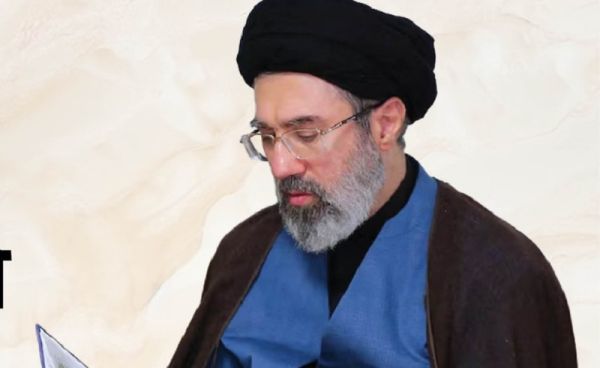
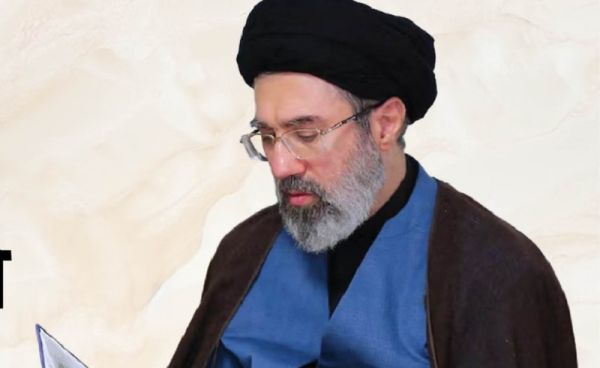
Tehran. International pressure on Iran's nuclear program seems to be increasing further. America, Britain, France and Germany have prepared to present such a proposal to the Board of Governors of the UN nuclear watchdog IAEA, in which there is talk of sending Iran to the UN Security Council in case of non-compliance of its legal responsibilities of nuclear non-proliferation. This matter is very serious because in June 2025, the IAEA Board, for the first time in nearly 20 years, found Iran to be non-compliant with its nuclear non-proliferation responsibilities.
What was said against Iran in the draft?
The proposal is currently under negotiation and has not been formally submitted to the IAEA Board. It asks IAEA Director General Rafael Grossi to convey the proposal and previously passed resolutions to all IAEA members, including the UN Security Council and the General Assembly. The resolution also supports finding a diplomatic solution to the challenges posed by Iran's nuclear program. An appeal has been made to all parties to participate in the talks in a constructive manner. Changes in the proposal are also possible. After being formally presented, it will be voted on at the IAEA Board meeting in Vienna next week.
-
Read this also America approves $5 billion arms deal with Saudi Arabia amid war with Iran
What is Iran's biggest problem?
Under the Nuclear Non-Proliferation Treaty, Iran has a legal obligation to report all its nuclear material and activities and to allow IAEA inspectors to verify that the nuclear material is not being used for anything other than peaceful purposes. Iran has not granted IAEA inspectors access to affected nuclear sites since the US and Israeli attacks on Iran's nuclear sites in June 2025. The agency has also not been able to verify the status of its uranium stockpile, which is approaching weapons-grade capacity for more than six months. The IAEA recently warned that denying access to inspectors and failing to verify nuclear material poses a proliferation risk that requires immediate attention.
How much uranium does Iran have and how big is the threat?
According to the IAEA, Iran has reserves of 440.9 kg of uranium, which has been enriched to 60 percent purity.
– To make weapons, uranium of about 90 percent purity is generally required. That means Iran's current reserves are technically not far from that level.
– IAEA chief Rafael Grossi said last year that this quantity could theoretically enable Iran to make 10 nuclear bombs if it decided to move its program toward producing weapons.
– He had clarified that this does not mean that Iran has nuclear weapons.
Why is it important to investigate old traces of uranium?
IAEA's years-long investigation has found traces of uranium at some places in Iran, about which information was not given earlier. According to the recent confidential report of the agency, no progress has been made in the investigation of these marks. Western officials suspect that these marks may indicate that Iran ran a secret nuclear weapons program until 2003. Iran rejects these allegations and has consistently maintained that its nuclear program is completely peaceful.
What will happen if the matter goes to the Security Council?
Referring Iran to the UN Security Council would mean taking the matter beyond the IAEA to the UN's most powerful body. The Security Council has the ability to take further legally binding measures, which could include sanctions and asset freezes. However, the possibility of strong UN action in this matter is considered limited, because Iran's allies Russia and China are permanent members of the Security Council and have veto rights.
Is the path to diplomacy open yet?
Despite preparations by Western countries to bring proposals, the path of diplomacy has not been completely closed. The draft also talks about finding a diplomatic solution to the concerns to Iran's nuclear program. The lack of cooperation and dialogue between Iran and the IAEA has made the situation more serious. Now the decision on the proposal at the IAEA Board meeting next week will be important in deciding whether the matter reaches the Security Council or another opportunity is left for negotiations.
-
Owaisi Flags ‘Serious Errors’ In Telangana SIR, Seeks 4 More Weeks For Verification
-
Florentino Perez tracking France star as Bayern Munich leave room for possible future exit: Report

-
India’s Homegrown Cheesemakers Are Taking Artisanal Cheese Global

-
Cricket Australia Approves BBL Privatisation, Puts Melbourne Renegades Up For 100% Private Sale From 2027-28 Season

-
IRCTC Reveals 28% Of Online Railway Ticket Bookings Come Through Paytm, MakeMyTrip, ixigo And Other Third-Party Platforms