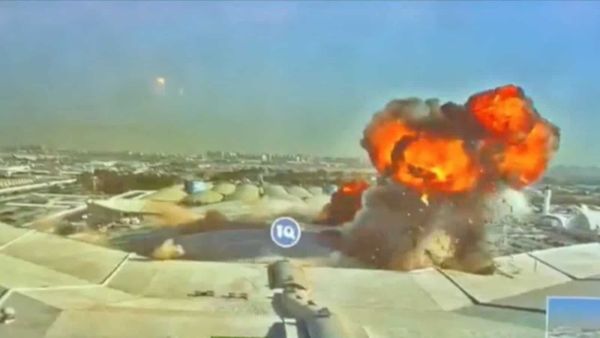
Kuwait City: Kuwait has incorporated its experience of Iranian attacks since February 28 into the national Class 10 history curriculum, documenting the strikes, their impact and the country’s response.
According to reports by Kuwaiti newspapers Al Qabas and Al Rai, the Ministry of Education has devoted pages 56 and 57 of the textbook The State of Kuwait: The Journey and the Entity to the attacks and their aftermath.
The section details missile and drone strikes attributed to Iran and Iranian-backed groups, which targeted key infrastructure, government facilities and residential areas. Among the locations listed are power generation and water desalination plants, Kuwait International Airport, the Public Institution for Social Security building and the Ministries Complex.
The material was included as part of efforts to promote national unity, loyalty and a sense of belonging among younger generations, while highlighting Kuwait’s response to the attacks.
On June 3, a strike hit Kuwait International Airport, killing one Indian traveller and injuring at least 63 people, including civilians, airport staff and passengers, according to Kuwait’s Ministry of Health. The textbook also features an image of the damage caused at the airport.
Kuwait’s energy and water infrastructure was also affected. On July 17, an attack damaged a power generation and water desalination station, sparking a fire and disrupting several electricity generation units, according to the Ministry of Electricity, Water and Renewable Energy.
The curriculum describes the attacks as violations of Kuwait’s sovereignty and security and details how state institutions increased their readiness in response.
Kuwait stresses defence and diplomacy
The new material affirms Kuwait’s right to defend its territory while highlighting diplomatic efforts to safeguard regional security and stability.
It also focuses on the role of Emir Sheikh Meshal Al-Ahmad Al-Jaber Al-Sabah in directing state institutions and strengthening their preparedness during the crisis.
The textbook says Kuwait maintained that it was not a party to the conflict and continued diplomatic contacts with regional and international partners, calling for respect for state sovereignty and international law.
It further states that Kuwait would not allow its territory, airspace or territorial waters to be used as a launchpad for attacks against any country.
Focus on national unity
National unity and solidarity between Kuwait’s leadership and its people form a key theme of the lessons, which also highlight the readiness of state institutions to protect the country’s security and sovereignty.
The curriculum reiterates Kuwait’s support for dialogue, de-escalation and respect for international law in addressing regional tensions.
Latest drone attack reported
On September 2, Kuwaiti authorities said a fire at a residential complex caused by an Iranian drone attack had been brought under control. The Kuwait News Agency reported that firefighting teams responded quickly, while the General Fire Force said no injuries were recorded and material damage was limited.
The incident was the latest attack reported in Kuwait since February 28, following a series of missile and drone strikes targeting the country’s infrastructure, government facilities and residential areas.
The attacks have taken place amid the wider war involving Iran and the United States, with Kuwait maintaining that it is not a party to the conflict while continuing to call for dialogue, de-escalation and respect for international law.
-
Qatar says most Iran strikes targeted US military facilities

-
Nepal’s death toll rises to 1,295, 2 workers rescued from tunnel

-
CJP protest: Police identified 2,873 but 25 were already in jail

-
Top 7 highest-grossing sequels in Indian cinema as of 2026

-
Trabzonspor enter race to sign Tottenham Hotspur forward Richarlison