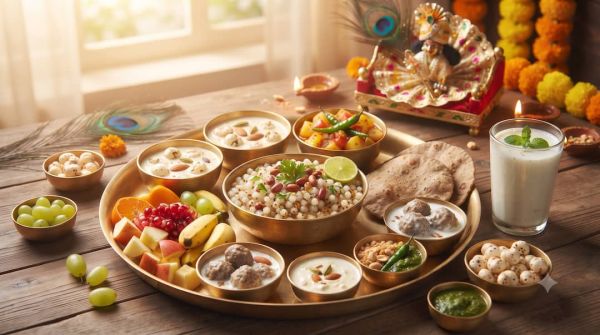
Janmashtami is celebrated with great devotion across India as devotees mark the birth of Lord Krishna. Many people observe a fast on this day, following different traditions. While some devotees observe a strict or waterless fast, others consume fruits, milk and vrat-friendly foods. Fasting for long hours can sometimes lead to weakness, fatigue or dizziness, particularly when the body does not receive enough fluids or energy. Choosing nutritious foods before and after the fasting period can help support energy levels while allowing devotees to follow their religious practices. Here are some commonly consumed foods that can be included during Janmashtami fasting, depending on individual fasting traditions.
Eat A Light Meal Before Starting The Fast
A Janmashtami fast can continue for several hours, making it important to begin the day with a light and nutritious meal if your fasting tradition permits. Fresh fruits, curd, vegetables and other simple foods can provide energy without making you feel excessively full. Avoid very oily, fried or heavy meals before beginning the fast, as these may cause digestive discomfort.
Include Fresh Fruits
Fresh fruits are among the most popular choices during vrat. Bananas, apples, pomegranates and papayas contain carbohydrates, vitamins, minerals and natural sugars that can provide energy. Eating smaller portions at intervals, where permitted, can also help manage hunger instead of consuming a large quantity at once.
Try Sabudana And Buckwheat
Sabudana and buckwheat flour are commonly used in vrat-friendly preparations. Sabudana khichdi can provide carbohydrates, while buckwheat-based rotis and parathas can make a more filling option. However, fried preparations such as sabudana vada and puris should be consumed in moderation. Excess oil or ghee may make the food heavy and uncomfortable to digest.
Add Curd And Makhana
Curd can be included in several fasting diets and is a refreshing option, particularly when paired with fruit or other light foods. Makhana, or fox nuts, can also be lightly roasted and eaten as a snack. These foods can add variety while helping devotees avoid relying entirely on fried vrat preparations.
Stay Hydrated If Allowed
Those who are permitted to drink during the fast should maintain adequate fluid intake. Water, coconut water, lemon water and buttermilk can help support hydration. However, devotees observing a waterless fast should follow their established religious practice and should not alter it without appropriate guidance.
Break The Fast With Light Foods
After fasting for several hours, avoid immediately eating a large or oily meal. Begin with lighter foods such as fruit, milk or another easily tolerated option, then gradually return to a regular meal. People with existing health conditions or those who regularly experience dizziness or weakness should consult a healthcare professional before undertaking a prolonged or restrictive fast.
-
Cesc Fabregas wins Serie A Coach of the Year award after Como’s remarkable rise

-
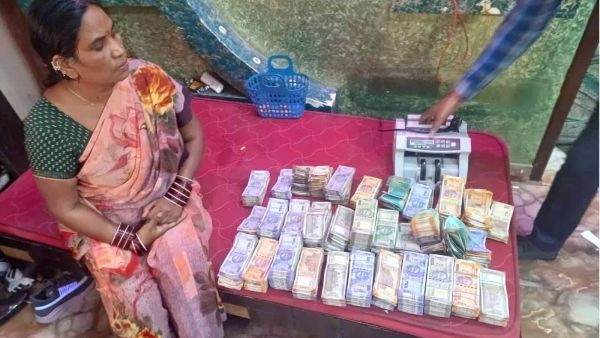
ED raids ganja peddler Neetu Bai’s properties in Hyderabad
-
Congress high command directs minister Konda Surekha to resign

-
Goa Assembly clears bill allowing Housing Board joint ventures

-
Kharge seeks action over Uttarakhand ‘purification’ incident