It happens with many people that within just half an hour of having a full lunch or dinner, they start feeling hungry again or a strong desire to eat something sweet and snacks arises. Many times people consider it to be just their habit or an illusion of not being full, but according to medical science and nutrition experts, feeling hungry immediately after eating can be a sign of unbalanced hormones in the body, lack of nutrition or lifestyle mistakes. This condition not only causes weight gain but also slows down the metabolism in the long run. 1. Excessive consumption of simple carbohydrates and insulin spike If your plate has a lot of refined carbs like white rice, white flour, white bread, sweet drinks or processed foods, then these get converted into glucose very quickly in the body. This causes a sudden spike in blood sugar levels, in response to which the pancreas rapidly releases insulin. Due to excess of insulin, the sugar level crashes suddenly within a short time. A sudden drop in blood sugar signals the brain that the body needs immediate energy, resulting in feeling hungry again despite eating a full meal. 2. Severe lack of protein, fiber and healthy fats in food. Fullness of stomach does not depend only on the volume of food, but on what you have eaten. Foods rich in protein and dietary fiber slow down the digestion process and activate satiety hormones like 'leptin' and 'peptide YY'. When pulses, cheese, eggs, green leafy vegetables, salad and nuts are missing in the diet and there is only a lot of carbs, the stomach gets empty very quickly and the feeling of satiety does not last long. 3. Leptin Resistance and Imbalance of Hunger Hormones There are two main hormones in our body that control hunger and satiety—'Ghrelin' (which increases hunger) and 'Leptin' (which gives the message to the brain to fill the stomach). People who consume excessive oily, junk food or processed sugar have the problem of 'leptin resistance' in their body. In this, even after sufficient amount of leptin is produced by the fat cells, the receptors of the brain are not able to catch that signal properly, due to which despite the stomach being full, the brain feels that the body is hungry. 4. Mistaking dehydration and thirst for hunger: The hypothalamus part of the human brain controls the signals of both hunger and thirst. Many times, when there is dehydration in the body, the brain mistakes the signal of thirst as hunger. If you don't drink enough water before meals or throughout the day, the body presents symptoms of dehydration in the form of food cravings. In such a situation, drinking a glass of lukewarm water half an hour after the meal sometimes quenches this unwanted hunger immediately. 5. Lack of sleep, mental stress and distracted eating: If you do not get 7 to 8 hours of deep sleep at night, the level of stress hormone 'cortisol' and hunger hormone 'ghrelin' increases in the body, due to which there is a desire to keep chewing something throughout the day. Apart from this, due to the habit of swallowing food rapidly while watching TV, mobile or laptop (Distracted Eating), the brain is not able to process the taste and quantity of food completely. By the time the signal to fill the stomach reaches the brain, the person has eaten more than required and within some time his attention gets diverted towards eating again. Always eat food by chewing it slowly in a calm environment so that through mindful eating, the brain can receive the message of satiety at the right time.
-
Manchester United XI vs Everton: Predicted line-up and team news

-
UK court clears extradition of pharmacist in Hyderabad murder case

-
Nepal: 11 days on, search for dead continues, hopes for life dwindle

-
World map should show J&K, Ladakh part of India: MEA to UN

-
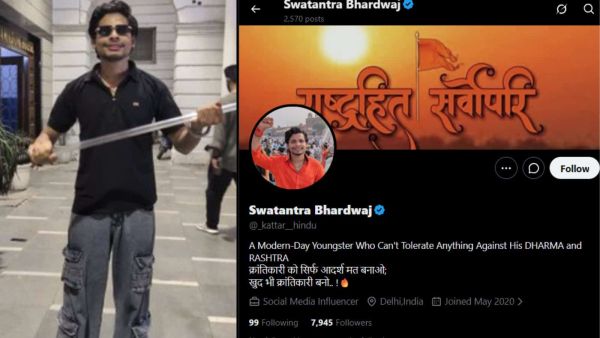
‘Sanatani hero’ Swatantra Bhardwaj’s revealing social media