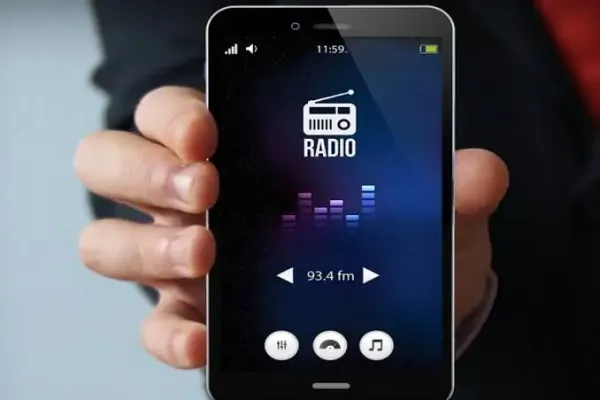
There was a time when mobile phones were not just a medium for making calls and messages. The FM radio present in the phone used to be an easy source of entertainment and information for the people. Whether listening to songs while travelling, knowing the latest news or enjoying local programs, the FM radio of the mobile was very useful.
The most important thing was that it neither required mobile data nor any paid subscription. But in the era of smartphones and fast internet, FM radio gradually disappeared from mobile phones.
When free radio was available on the phone itself
Till a few years ago, FM radio was almost a common feature in budget and mid-range smartphones. Users could listen to their favorite local FM stations directly on the phone by wearing earphones.
The wire of the earphone itself worked as an antenna for the radio. This was the reason that the phone could be used as a radio even without an internet connection.
Especially in rural and areas where mobile internet access was limited, this facility proved to be very useful. People depended on FM radio for local news, songs and entertainment.
Attempt to popularize smartphone FM again in 2013
A major effort to promote FM radio in smartphones was seen in the year 2013. Broadcaster Emmis Communications tried to popularize FM broadcasting on mobile phones through the NextRadio app.
The company partnered with Sprint for this and provided FM radio facility in some smartphones. Later NextRadio also worked with big smartphone manufacturers like LG and Samsung.
However, this initiative could not be successful in the long run. It was argued on behalf of mobile operators that the demand for FM radio feature among customers is not sufficient. Gradually this campaign of NextRadio also ended.
Internet changed the way people listen
The biggest reason for the disappearance of FM radio from smartphones can be considered to be the rapid growth of internet streaming.
Today, users have access to YouTube, Spotify, and other music and podcast platforms. Through these services, people can listen to their favorite songs, podcasts, news and other audio content anytime as per their convenience.
That is, while in FM radio one had to listen to the content according to the available station and program, the streaming platform gave the user the freedom to choose the content of their choice.
4G and 5G push FM radio further back
With the increase in mobile internet speed, online audio and video streaming became very easy. After 4G, 5G network further accelerated this change.
Now it has become more convenient for users to listen to live radio, music, podcasts and news through the internet. In such a situation, smartphone companies also started giving priority to those features which are in high demand in the hardware and software of the phone.
Why didn't FM radio die out completely?
Although FM radio is not as common as it once was in most modern smartphones, that does not mean that FM broadcasting is dead. In many places even today people listen to radio through traditional radio and mobile apps.
The only difference is that smartphones are no longer the only or easiest way to listen to radio. The Internet has given users more options for audio content.
One feature changed the entire mobile experience
FM radio was once counted among the special features of mobile phones. This feature, which provides entertainment without internet and without any subscription, was very useful especially at a time when mobile data was expensive and network was limited.
But the increasing use of smartphones, 4G-5G and streaming platforms changed people's habits. This is the reason why today many users remember the FM radio feature of old mobiles, but its place in the new generation smartphones has almost disappeared.
-
Revanth pushes for action against Konda Surekha: Reports

-
Iran says 11 dead in US strikes, Kuwait complex hit by drone

-
Nepal floods: Death toll rises to 1,127; rivers swell amid rain

-
Fan dies while putting up Pawan Kalyan’s birthday banner

-
Jackie Shroff shares ‘Last Will’ on Instagram, what’s going on?